


Vibose Tablet 0.3 mg (Voglibose)
-
 ৳18.80
৳20.00 -
৳3.33
৳3.50 -
৳5.64
৳6.00 -
৳8.46
৳9.00
![Recur Tablet 1 mg (Finasteride [For Androgenic Alopecia])](https://www.skpharma.com.bd/public/uploads/all/mqB5zpgTubYSB0CMtn0XXhQtwBc22ia6JfYbyrMt.png)


Reviews & Ratings
Vibose 0.3 mg Tablet is an oral antidiabetic medication containing Voglibose, a potent alpha-glucosidase inhibitor. It is designed to effectively control post-prandial hyperglycaemia (PPHG) in patients with diabetes mellitus when diet, exercise, lifestyle modification, or other antidiabetic therapies fail to achieve adequate glycaemic control. Vibose acts locally in the intestine to delay carbohydrate digestion and glucose absorption, helping to prevent sharp rises in blood glucose levels after meals.
রেজিস্টার্ড চিকিৎসকের পরামর্শ অনুযায়ী ঔষধ সেবন করুন
Therapeutic Class
Alpha-Glucosidase Inhibitor
Indications
Vibose 0.3 mg is indicated for:
-
Reduction of post-prandial hyperglycaemia in diabetes mellitus
-
Use as monotherapy in non-insulin-dependent diabetes mellitus (NIDDM)
-
Combination therapy with other oral hypoglycaemic agents
-
Adjunctive use with insulin in diabetes mellitus patients
-
Prevention of progression to type 2 diabetes mellitus in patients with impaired glucose tolerance when diet and exercise alone are insufficient
-
Elderly patients and patients with hepatic dysfunction or mild to moderate renal impairment where other OHAs are contraindicated or require caution
-
Prevention of hypoglycaemia in patients with glycogen storage disease type Ib
-
Prevention of hypoglycaemic attacks in non-diabetic hyperinsulinaemia
-
Management of steroid-induced diabetes mellitus (clinical data limited)
Pharmacology
Voglibose competitively inhibits alpha-glucosidase enzymes present in the brush border of the small intestine. These enzymes are responsible for breaking down oligosaccharides, disaccharides, and complex carbohydrates into absorbable glucose. By inhibiting these enzymes, Vibose delays carbohydrate digestion and reduces glucose absorption after meals. This results in lower post-meal blood glucose levels and contributes to a modest long-term reduction in HbA1c.
Dosage and Administration
Adults:
-
Usual dose: 0.2 mg orally, three times daily, immediately before each main meal
-
If glycaemic control is inadequate, the dose may be increased up to 0.3 mg three times daily
Geriatric Patients:
-
Recommended to initiate therapy at a lower dose (e.g. 0.1 mg three times daily)
-
Careful monitoring of blood glucose and gastrointestinal symptoms is advised
Pediatric Use:
-
Safety and effectiveness have not been established
Drug Interactions
Vibose 0.3 mg should be used with caution when co-administered with:
-
Antidiabetic agents such as sulfonylureas, biguanides, insulin, and insulin resistance-improving drugs
-
Drugs enhancing hypoglycaemic effects: beta-blockers, salicylates, MAO inhibitors, fibrates, warfarin
-
Drugs reducing hypoglycaemic effects: adrenaline, corticosteroids, thyroid hormones
Contraindications
Vibose 0.3 mg is contraindicated in patients with:
-
Hypersensitivity to voglibose or any excipients
-
Diabetic ketoacidosis or diabetic pre-coma
-
Severe infections, serious trauma, or peri-operative conditions
-
Gastrointestinal obstruction or conditions predisposing to obstruction
Side Effects
Common side effects include:
-
Diarrhoea, loose stools, abdominal pain, constipation
-
Flatulence, nausea, vomiting, heartburn
-
Loss of appetite
Less common but serious adverse effects may include:
-
Hypoglycaemia when used with other OHAs
-
Liver dysfunction, hepatitis, jaundice
-
Anaemia, edema, blurred vision, weakness, hyperkalaemia
Pregnancy and Lactation
-
Pregnancy: Safety has not been established; use only if clearly necessary
-
Lactation: Not recommended due to insufficient safety data
Precautions and Warnings
-
Close monitoring is required when used with other antidiabetic medications
-
Use cautiously in patients with gastrointestinal disorders, hepatic or renal impairment
-
Special care is required in elderly patients
Overdose
Overdose does not usually cause hypoglycaemia. Possible symptoms include transient flatulence, diarrhoea, and abdominal discomfort. Serious systemic effects are unlikely.
Storage Conditions
Store in a cool and dry place.
Protect from light and keep out of reach of children.
Related Products
B-9 Oral Solution 2.5 mg/5 ml (Folic Acid)

Ursoren Tablet 150 mg (Ursodeoxycholic Acid)

Sweet'n Zero Powder 12 mg/sachet (Sucralose)
Probis Tablet 2.5 mg (Bisoprolol Fumarate)
Fintaz Capsule 5 mg+5 mg (Finasteride + Tadalafil)

Eromycin Suspension 125 mg/5 ml (Erythromycin (Oral))

Nebifast Tablet 2.5 mg (Nebivolol Hydrochloride)
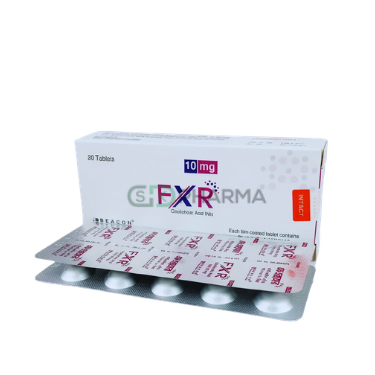
FXR Tablet 10 mg (Obeticholic Acid)

Product Queries (0)
Login Or Registerto submit your questions to seller
Other Questions
No none asked to seller yet
-
৳18.80
৳20.00 -
৳3.33
৳3.50 -
৳5.64
৳6.00 -
৳8.46
৳9.00


