


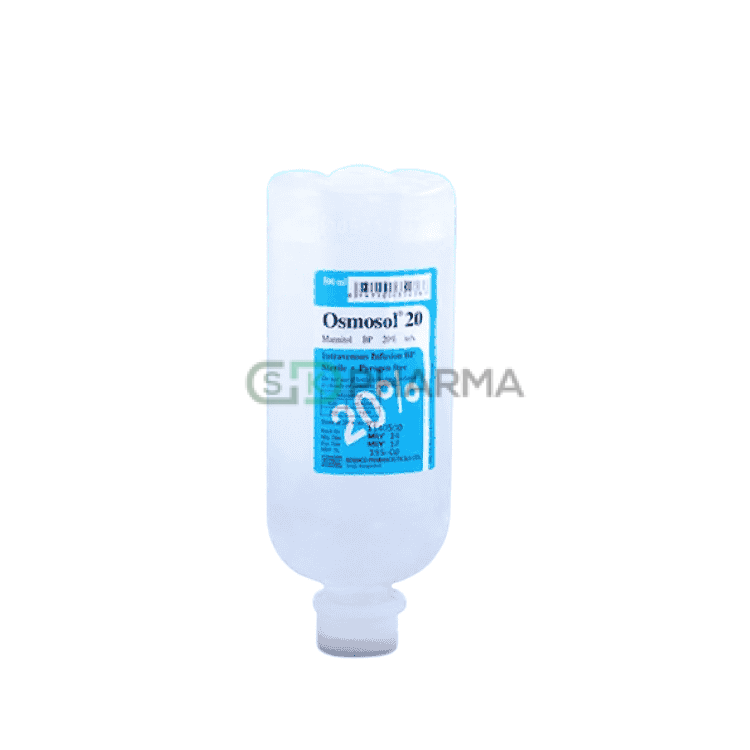
Osmosol Injection 20% (Mannitol)
-
 ৳18.80
৳20.00 -
৳3.33
৳3.50 -
৳5.64
৳6.00 -
৳8.46
৳9.00
![Recur Tablet 1 mg (Finasteride [For Androgenic Alopecia])](https://www.skpharma.com.bd/public/uploads/all/mqB5zpgTubYSB0CMtn0XXhQtwBc22ia6JfYbyrMt.png)


Reviews & Ratings
Osmosol 20% is a sterile intravenous infusion containing Mannitol, an osmotic diuretic widely used in critical care and hospital settings. It is primarily administered to reduce elevated intracranial and intraocular pressure and to preserve renal function in patients at risk of acute renal failure. Due to its osmotic properties, Osmosol 20% effectively promotes diuresis and shifts fluid from tissues into the vascular compartment, providing rapid and predictable therapeutic effects.
Mannitol works by increasing the osmotic pressure of plasma and renal filtrate. This action inhibits tubular reabsorption of water and electrolytes, resulting in increased urinary output. At the same time, the rise in plasma osmolarity draws excess water out of edematous tissues, including the brain and eye, thereby lowering pressure in these compartments.
রেজিস্টার্ড চিকিৎসকের পরামর্শ অনুযায়ী ঔষধ সেবন করুন
Indications
Osmosol 20% is indicated for:
-
Prevention and management of acute renal failure (as a prophylactic osmotic diuretic)
-
Raised intracranial pressure and cerebral edema
-
Raised intraocular pressure, including acute glaucoma
-
Renal insufficiency
-
Reperfusion injury
-
Edematous states
-
Adjunctive therapy in acute drug poisoning where renal elimination is required
-
Bladder irrigation during transurethral prostatic resection to prevent hemolysis and hemoglobin accumulation
-
Bowel preparation
-
Termination of pregnancy by intra-amniotic instillation (as per specialist use)
Therapeutic Class
-
Osmotic Diuretic
Pharmacology
Osmosol 20% increases urinary output by inhibiting renal tubular reabsorption of water and electrolytes. Mannitol is freely filtered by the glomeruli and is not reabsorbed, leading to osmotic diuresis. It also elevates plasma osmotic pressure, which draws water from intracellular and interstitial spaces into the bloodstream, reducing tissue edema, particularly in the brain and eye.
Dosage and Administration
General Adult Dose:
-
50–100 g by intravenous infusion
-
Infusion rate adjusted to maintain urine flow of at least 30–50 ml/hour
Renal Insufficiency:
-
Adults: 50–100 g IV, adjusted to urine output
-
Children: 2 g/kg or 60 g/m² body surface area over 2–6 hours
Cerebral Edema / Raised Intracranial or Intraocular Pressure / Glaucoma:
-
Adults: 1.5–2 g/kg over 30–60 minutes
-
Children: 1–2 g/kg or 30–60 g/m² over 30–60 minutes
Removal of Toxic Substances:
-
Adults: 50–200 g IV, adjusted to maintain urine flow of 100–500 ml/hour
-
Children: 2 g/kg or 60 g/m²
Termination of Pregnancy:
-
50 g (250 ml of Osmosol 20%) instilled into the amniotic cavity
Dosage, concentration, and infusion rate should be individualized based on patient condition, fluid balance, and urinary output.
রেজিস্টার্ড চিকিৎসকের পরামর্শ অনুযায়ী ঔষধ সেবন করুন
Drug Interactions
-
Increased risk of nephrotoxicity when used with ciclosporin
Contraindications
Osmosol 20% is contraindicated in patients with:
-
Pulmonary edema or congestive heart failure
-
Severe dehydration or acidosis
-
Intracranial hemorrhage
-
Established renal failure without adequate urine output
-
Hypersensitivity to mannitol
Adverse Effects
Common adverse effects include fluid and electrolyte imbalance, circulatory overload, acidosis, nausea, vomiting, headache, dizziness, thirst, tachycardia, chest pain, hyponatremia, dehydration, blurred vision, urticaria, and blood pressure fluctuations.
Precautions and Warnings
Careful monitoring of fluid balance, serum electrolytes, and renal function is essential. Infusion should be stopped immediately if signs of heart failure, pulmonary congestion, or worsening renal function occur. Osmosol 20% should not be administered with whole blood. Do not use if the solution is cloudy, contains particles, or is past its expiry date.
Storage Conditions
Store at 20°C to 30°C. Crystallization may occur at lower temperatures; dissolve crystals by warming in hot water for about 30 minutes and cool to body temperature before use. Do not use if crystals do not dissolve. Use opened containers promptly and discard unused portions.
Related Products

Filmet Tablet 400 mg (Metronidazole)
![Utal Tablet 5 mg (Ulipristal Acetate [For uterine fibroids])](https://www.skpharma.com.bd/public/uploads/all/zauJajHhmtgYn5Ug8o2GycZm6jQN6q58ohHBBiF9.png)
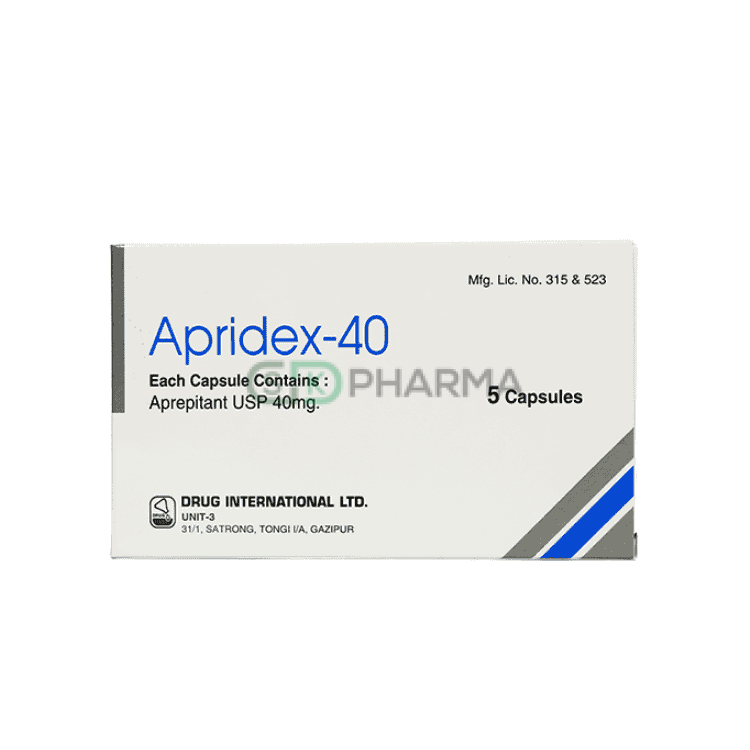
Apridex Capsule 40 mg (Aprepitant)

Rosalin Cream 1% (Oxymetazoline Hydrochloride)

Deflacort Tablet 30 mg (Deflazacort)

Lemulin Tablet 600 mg (Lefamulin Acetate)


Ramicard Tablet 2.5 mg (Ramipril)
Ticoplan Injection 400 mg/vial (Teicoplanin)
Leflox TS Eye Drop 1.50% (Levofloxacin (Eye/Ear))
Product Queries (0)
Login Or Registerto submit your questions to seller
Other Questions
No none asked to seller yet
-
৳18.80
৳20.00 -
৳3.33
৳3.50 -
৳5.64
৳6.00 -
৳8.46
৳9.00


