


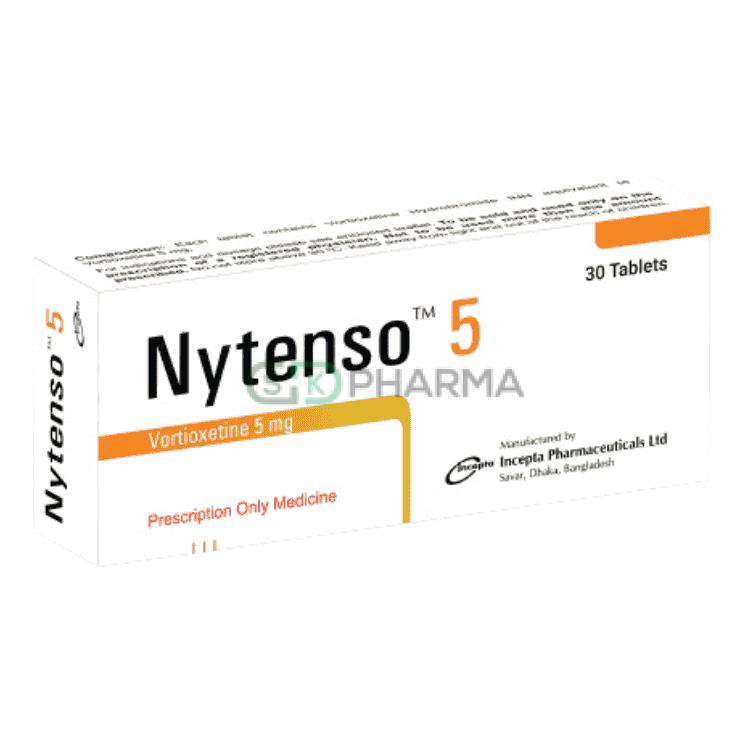
Nytenso Tablet 5 mg (Vortioxetine Hydrobromide)
-
 ৳18.80
৳20.00 -
৳3.33
৳3.50 -
৳5.64
৳6.00 -
৳8.46
৳9.00
![Recur Tablet 1 mg (Finasteride [For Androgenic Alopecia])](https://www.skpharma.com.bd/public/uploads/all/mqB5zpgTubYSB0CMtn0XXhQtwBc22ia6JfYbyrMt.png)


Reviews & Ratings
Product Description
Vortioxetine Tablets are a new-generation antidepressant indicated for the treatment of Major Depressive Disorder (MDD) in adults. It belongs to the class of Serotonin Modulator and Stimulator (SMS) antidepressants and is known for its multimodal mechanism of action, targeting both mood and cognitive symptoms of depression.
Therapeutic Class
-
Primary Class: Antidepressant
-
Subclass: Serotonin Modulator and Stimulator (SMS)
-
Generation: New-generation antidepressant (distinct from SSRI/SNRI)
Indications
-
Treatment of Major Depressive Disorder (MDD) in adults
-
Particularly useful in patients with depressive symptoms accompanied by cognitive impairment
Dosage & Administration
Adults
-
Initial dose: 10 mg orally once daily
-
Maintenance dose: 10–20 mg once daily
-
Maximum dose: 20 mg per day
-
If 10 mg is not tolerated, reduce to 5 mg once daily
Elderly
-
Start with 5 mg once daily
-
Dose escalation should be cautious due to increased sensitivity
Pediatric Use
-
Safety and efficacy have not been established in individuals under 18 years
Renal Impairment
-
No dosage adjustment required in mild, moderate, or severe renal impairment
Hepatic Impairment
-
No dosage adjustment required in mild to moderate impairment
-
Use cautiously in severe hepatic impairment due to limited data
Administration Instructions
-
Route: Oral
-
Can be taken with or without food
-
For maintenance therapy, continue treatment for several months after symptom improvement
-
রেজিস্টার্ড চিকিৎসকের নির্দেশনা অনুযায়ী ঔষধ সেবন করুন
Mechanism of Action (MOA)
Vortioxetine is a multimodal antidepressant. It:
-
Inhibits the serotonin transporter (SERT), increasing serotonin availability
-
Acts as an agonist at 5-HT1A receptors
-
Acts as a partial agonist at 5-HT1B receptors
-
Antagonizes 5-HT3, 5-HT1D, and 5-HT7 receptors
This broad receptor activity enhances serotonergic transmission and modulates other neurotransmitter systems such as norepinephrine, dopamine, acetylcholine, and histamine, contributing to both antidepressant and procognitive effects.
Pharmacokinetics
-
Absorption: Well absorbed orally; absolute bioavailability ~75%
-
Tmax: Approximately 7–11 hours
-
Distribution: Volume of distribution ~2,600 L; protein binding 98–99%
-
Metabolism: Extensive hepatic metabolism, mainly via CYP2D6; also CYP3A4/5 and CYP2C9
-
Active metabolites: None with pharmacological activity
-
Elimination half-life: ~66 hours (longer in poor metabolizers)
-
Excretion: Urine (~59%) and feces (~26%), mainly as metabolites
Pregnancy & Lactation
-
Pregnancy: Limited human data available. Animal studies show adverse fetal effects at high doses. Use only if the potential benefit justifies the potential risk.
-
Lactation: Excreted into breast milk in small amounts. Effects on the breastfed infant are unknown.
-
Recommendation: Use during pregnancy or breastfeeding only if clearly needed. Monitor neonates for withdrawal symptoms or serotonin syndrome if exposure occurs late in pregnancy.
Contraindications
-
Hypersensitivity to vortioxetine or any excipients
-
Concomitant use with monoamine oxidase inhibitors (MAOIs)
-
Use within 14 days of stopping an MAOI
-
Initiation of MAOIs within 21 days after discontinuing vortioxetine
Warnings & Precautions
-
Increased risk of suicidal thoughts and behavior, especially in patients under 25 years
-
Risk of serotonin syndrome with other serotonergic agents
-
May induce mania or hypomania in patients with bipolar disorder
-
Use cautiously in patients with seizure disorders
-
Increased bleeding risk when used with NSAIDs, aspirin, or anticoagulants
-
Hyponatremia reported, particularly in elderly patients
-
Close clinical monitoring recommended during initiation and dose adjustments
Side Effects
Common (≥1%)
-
Nausea, dizziness, headache
-
Dry mouth, insomnia, abnormal dreams
-
Diarrhea, constipation, vomiting
-
Anxiety, agitation
-
Fatigue, sexual dysfunction
Serious or Rare
-
Serotonin syndrome
-
Hyponatremia or SIADH
-
Seizures
-
Manic episodes
-
Angle-closure glaucoma (rare)
Most adverse effects are dose-related, occur within the first week of treatment, and are generally mild to moderate and self-limiting.
Drug Interactions
-
MAO inhibitors: Contraindicated
-
Other serotonergic drugs: Increased risk of serotonin syndrome
-
CYP2D6 inhibitors: May increase vortioxetine plasma levels
-
CYP enzyme inducers: May reduce effectiveness
-
Anticoagulants, antiplatelets, NSAIDs: Increased bleeding risk
-
Alcohol: Use cautiously due to possible additive CNS effects
Storage Conditions
-
Store at 20°C to 25°C; excursions permitted between 15°C and 30°C
-
Protect from excessive moisture and light
-
Store in original packaging
-
No special handling precautions required
Related Products
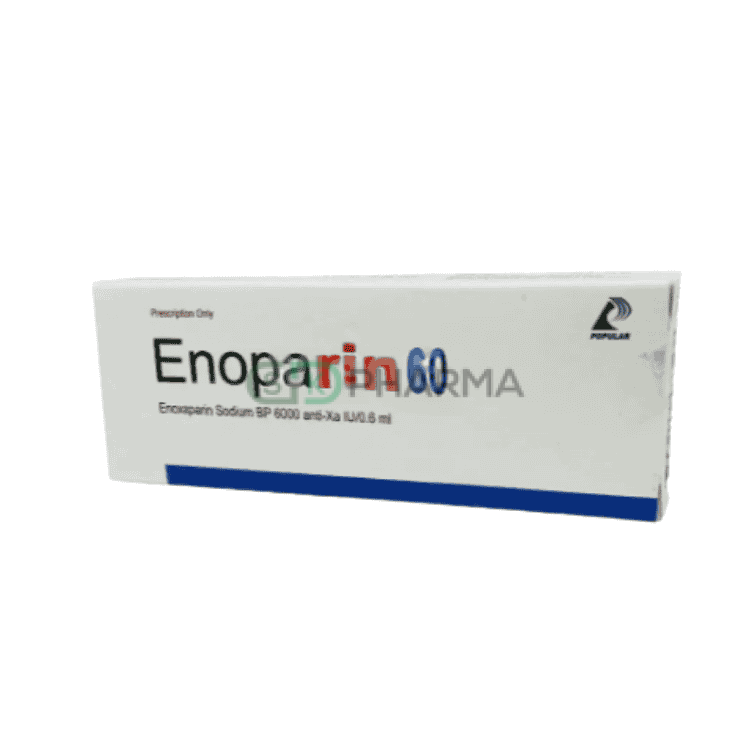
Enoparin Injection 6000 Anti-Xa IU/0.6 ml (Enoxaparin Sodium)
Apalene Cream 0.10% (Adapalene)

Leo Eye Drop 0.50% (Levofloxacin (Eye/Ear))

Vave Suspension 5 mg/5 ml (Domperidone Maleate)
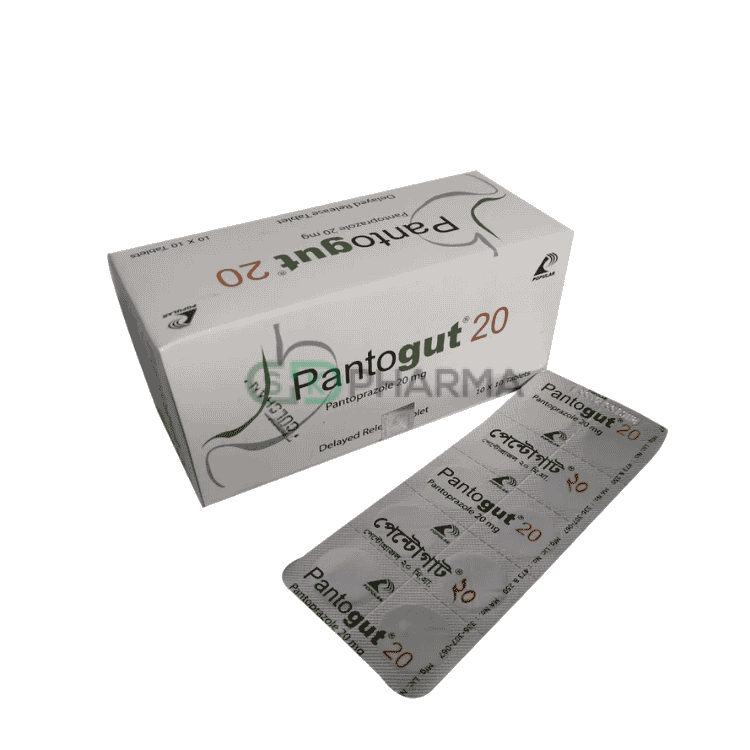
Pantogut Tablet 20 mg (Pantoprazole Sodium)


Cefa-4 Injection 2 gm/vial (Cefepime Hydrochloride)
Xmec Tablet 25 mg+50 mg (Meclizine + Pyridoxine)
Labegest Tablet 100 mg (Labetalol Hydrochloride)

Product Queries (0)
Login Or Registerto submit your questions to seller
Other Questions
No none asked to seller yet
-
৳18.80
৳20.00 -
৳3.33
৳3.50 -
৳5.64
৳6.00 -
৳8.46
৳9.00


