


Lincocin Capsule 150 mg (Clindamycin)
-
 ৳18.80
৳20.00 -
৳3.33
৳3.50 -
৳5.64
৳6.00 -
৳8.46
৳9.00 -
৳18.80
৳20.00


Reviews & Ratings
Lincocin 150 mg contains Clindamycin, a lincosamide antibiotic with potent activity against aerobic gram-positive cocci and anaerobic bacteria. It is used to treat a wide range of bacterial infections caused by susceptible strains, including Staphylococci, Streptococci, and Pneumococci, as well as various anaerobic bacteria.
Clindamycin works by inhibiting bacterial protein synthesis through binding to the 50S ribosomal subunit, preventing the growth and replication of susceptible bacteria. Its broad-spectrum activity makes Lincocin 150 mg effective for infections of the respiratory tract, skin, bones, joints, pelvis, intra-abdominal organs, dental infections, septicemia, and endocarditis. Additionally, it can serve as an alternative therapy in combination with quinine or amodiaquine for multi-drug resistant Plasmodium falciparum infections.
রেজিস্টার্ড চিকিৎসকের পরামর্শ অনুযায়ী ঔষধ সেবন করুন
Indications
Lincocin 150 mg is indicated for:
-
Upper and lower respiratory tract infections
-
Skin and soft tissue infections
-
Bone and joint infections
-
Pelvic and intra-abdominal infections
-
Dental infections
-
Septicemia and endocarditis
-
Alternative therapy for multi-drug resistant malaria (with quinine or amodiaquine)
Therapeutic Class
Macrolide-like antibiotic (Lincosamide)
Pharmacology
Clindamycin binds to the 50S ribosomal subunit of susceptible bacteria, inhibiting protein synthesis and bacterial replication. It is effective against:
-
Aerobic gram-positive cocci: Staphylococcus aureus (penicillinase and non-penicillinase producing), Streptococci, Pneumococci
-
Anaerobic gram-negative bacilli: Bacteroides spp., Fusobacterium spp.
-
Anaerobic gram-positive non-spore forming bacilli: Propionibacterium spp., Actinomyces spp., Peptostreptococcus spp., Eubacterium spp., C. perfringens
This antibiotic demonstrates both bacteriostatic and, at higher concentrations, bactericidal effects depending on the pathogen and site of infection.
Dosage & Administration
Oral (Capsules & Suspension):
-
Adults, serious infections: 150–300 mg every 6 hours
-
Adults, severe infections: 300–450 mg every 6 hours
-
Pediatric: 8–16 mg/kg/day divided in 3–4 doses for serious infections; 16–20 mg/kg/day for severe infections
Parenteral (IM/IV Injection):
-
Adults, serious infections: 600–1200 mg/day divided in 2–4 doses
-
Adults, severe infections: 1200–2700 mg/day divided in 2–4 doses (up to 4800 mg/day in life-threatening cases)
-
Pediatric: 20–40 mg/kg/day divided in 3–4 doses
Special Instructions:
-
Switch to oral therapy when clinically appropriate
-
Hemolytic streptococcal infections require at least 10 days of treatment
Contraindications
-
Hypersensitivity to Clindamycin, lincomycin, or any component of the formulation
Side Effects
Common adverse effects include:
-
Gastrointestinal: nausea, vomiting, diarrhea, abdominal pain
-
Esophageal irritation or ulceration
-
Skin: pruritus, rash, urticaria
Precautions & Warnings
-
Use cautiously in patients with gastrointestinal disorders, especially colitis
-
Monitor newborns and infants carefully for organ function during therapy
-
Avoid concurrent administration with erythromycin due to antagonism
Pregnancy & Lactation
-
Pregnancy Category B: Use only if clearly needed
-
Appears in breast milk; avoid nursing unless necessary
Overdose
-
Rare with oral administration
-
Symptoms similar to therapeutic side effects; may include gastrointestinal disturbances
-
No specific antidote; treat with supportive care and gastric lavage if required
-
Hemodialysis and peritoneal dialysis are ineffective in removing clindamycin
Interactions
-
May enhance effects of other neuromuscular blocking agents
-
Antagonistic effect with erythromycin; do not use concurrently
Storage
Store in a dry place, below 30°C, protected from light and heat. Keep out of reach of children.
Lincocin 150 mg is a reliable antibiotic for a wide range of bacterial infections, providing effective therapy against both aerobic gram-positive and anaerobic bacteria while offering flexibility for oral and parenteral administration.
Related Products
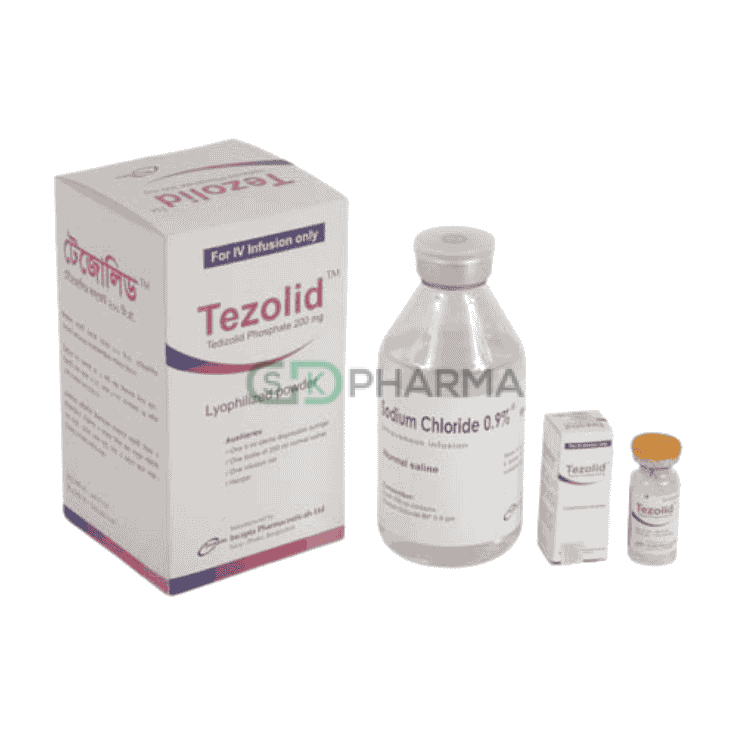
Tezolid Injection 200 mg/vial (Tedizolid Phosphate)
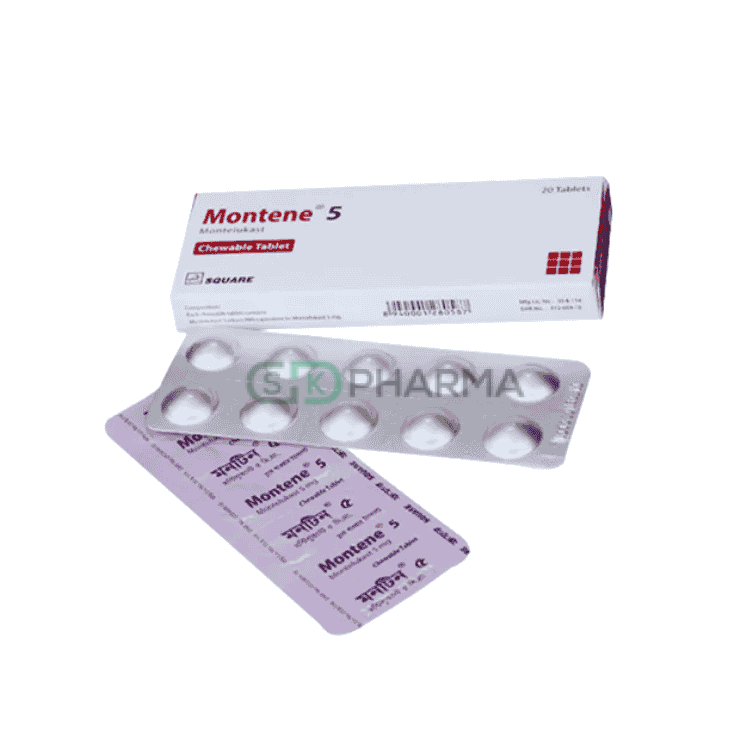
Montene Tablet 5 mg (Montelukast Sodium)
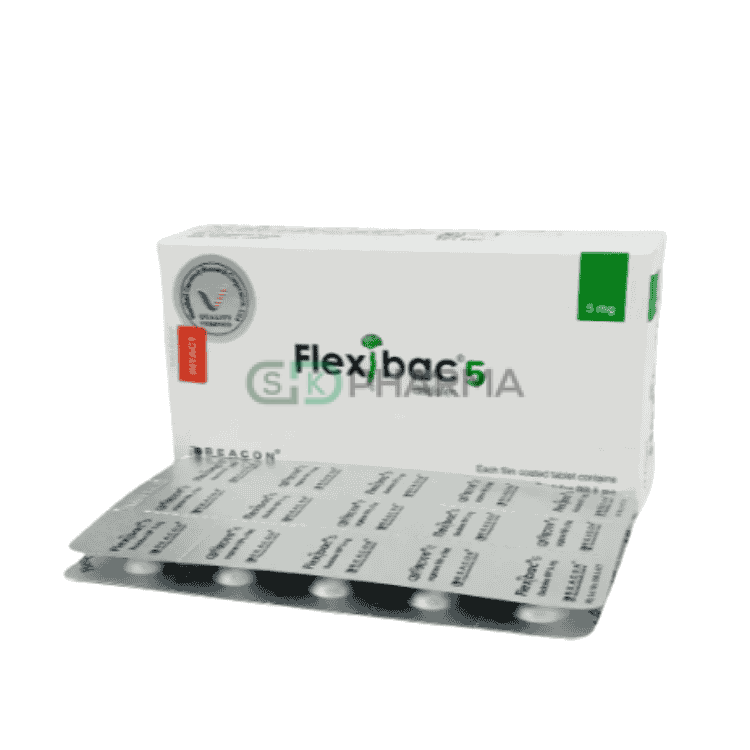
Flexibac Tablet 5 mg (Baclofen)
![Norpill 1 Tablet 1.5 mg (Levonorgestrel [Emergency contraceptive pill])](https://www.skpharma.com.bd/public/uploads/all/0nJT81qGHZymINd2xnE5r0VVZyDAg79YvKHFsgCO.png)
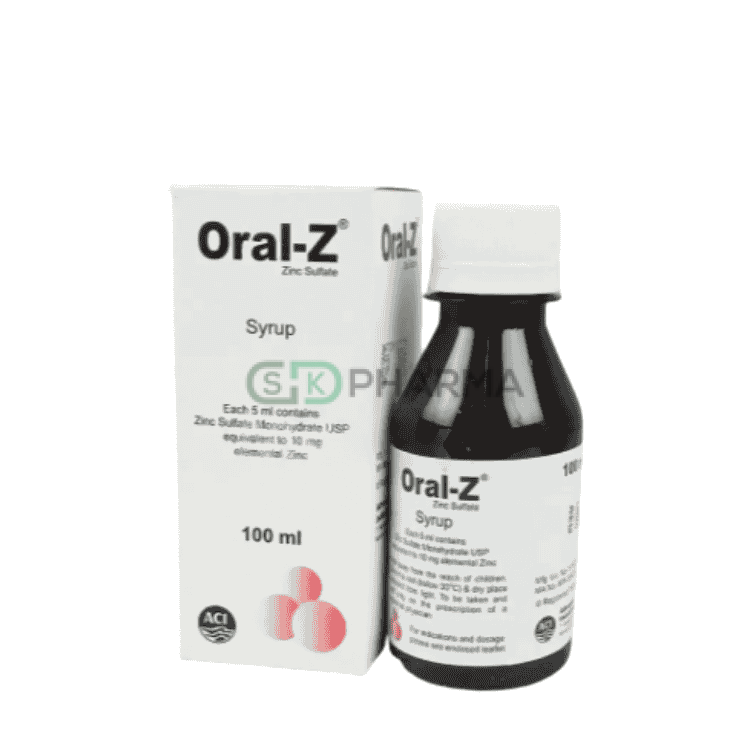
Oral-Z Syrup 10 mg/5 ml (Zinc Sulfate Monohydrate)

OMG-3 Capsule 1000 mg (Omega-3 Acid Ethyl Esters)
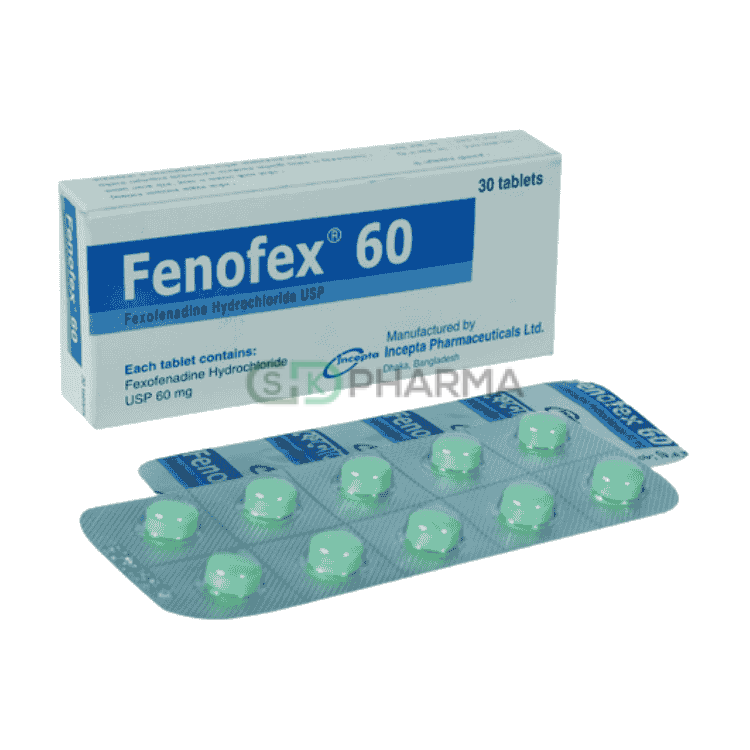
Apetiz Tablet 160 mg (Megestrol Acetate)
Product Queries (0)
Login Or Registerto submit your questions to seller
Other Questions
No none asked to seller yet
-
৳18.80
৳20.00 -
৳3.33
৳3.50 -
৳5.64
৳6.00 -
৳8.46
৳9.00 -
৳18.80
৳20.00


