


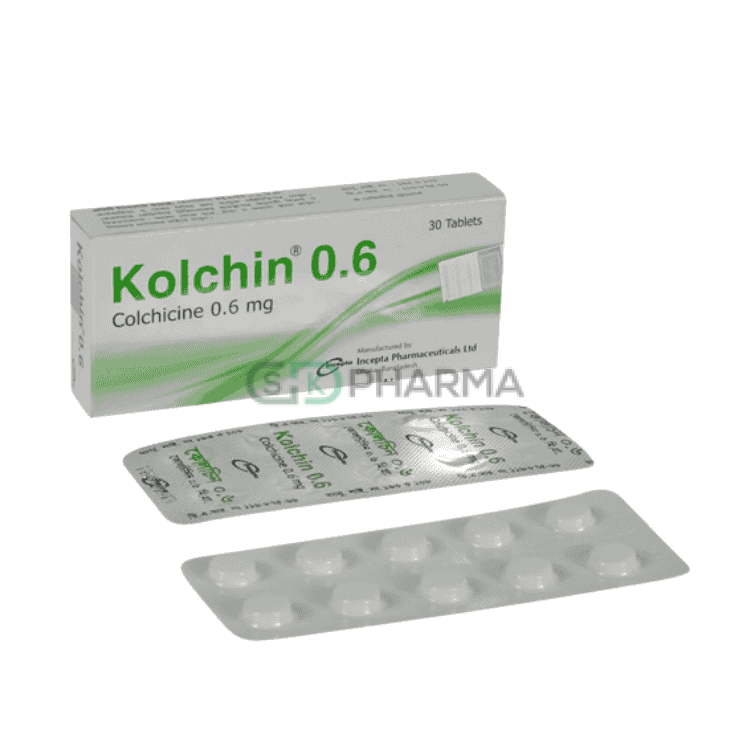
Kolchin Tablet 0.6 mg (Colchicine)
-
 ৳18.80
৳20.00 -
৳3.33
৳3.50 -
৳5.64
৳6.00 -
৳32.90
৳35.00
![Recur Tablet 1 mg (Finasteride [For Androgenic Alopecia])](https://www.skpharma.com.bd/public/uploads/all/mqB5zpgTubYSB0CMtn0XXhQtwBc22ia6JfYbyrMt.png)


Reviews & Ratings
Kolchin 0.6 mg contains Colchicine, a well-known anti-gout medication primarily used for the treatment and prevention of acute gout flares. It is also indicated for the management of Familial Mediterranean Fever (FMF) in adults and children aged 4 years and above. Kolchin works by reducing inflammation caused by urate crystal deposition, thereby relieving pain, swelling, and redness associated with gout attacks.
রেজিস্টার্ড চিকিৎসকের পরামর্শ অনুযায়ী ঔষধ সেবন করুন
Therapeutic Class
Drugs Used in Gout
Pharmacology
Acute gout attacks occur due to an inflammatory response triggered by monosodium urate crystals deposited in joint tissues. These crystals attract leukocytes, which attempt to engulf them, releasing lactic acid and pro-inflammatory enzymes that intensify inflammation and pain.
Kolchin 0.6 mg inhibits leukocyte migration and phagocytosis of urate crystals and directly reduces lactic acid production. This action interrupts the inflammatory cycle responsible for sustaining gout attacks.
Colchicine is rapidly absorbed after oral administration, reaching peak plasma concentrations within 1–2 hours. It has a large volume of distribution and low plasma protein binding. The drug is metabolized mainly by CYP3A4, with an elimination half-life of approximately 27–31 hours after repeated dosing.
Indications
Kolchin 0.6 mg is indicated for:
-
Treatment of acute gout flares
-
Prophylaxis of recurrent gout attacks
-
Management of Familial Mediterranean Fever (FMF) in adults and children aged 4 years and older
Dosage and Administration
Acute Gouty Arthritis:
-
Initial dose: 1–1.2 mg at once
-
Followed by 0.5–0.6 mg every 2 hours until pain and inflammation subside
-
Total dose per attack usually ranges from 4–8 mg
-
A minimum interval of 3 days is recommended between treatment courses
Prophylaxis During Intercritical Periods:
-
Less than one attack per year: 0.5–0.6 mg daily, 3–4 days per week
-
More than one attack per year: 0.5–0.6 mg daily
-
Severe cases: up to 2–3 tablets daily, as advised by the physician
Surgical Prophylaxis in Gout Patients:
-
0.5–0.6 mg three times daily for 3 days before and 3 days after surgery
Dosage should be individualized based on patient response and tolerability.
Drug Interactions
Co-administration with P-glycoprotein (P-gp) or CYP3A4 inhibitors such as clarithromycin or cyclosporine can significantly increase colchicine levels and risk of toxicity.
রেজিস্টার্ড চিকিৎসকের পরামর্শ অনুযায়ী ঔষধ সেবন করুন
Contraindications
-
Patients with renal or hepatic impairment receiving strong CYP3A4 or P-gp inhibitors
-
Known hypersensitivity to colchicine
Side Effects
Possible adverse effects include:
-
Gastrointestinal symptoms such as diarrhea
-
Pharyngolaryngeal pain
-
Blood dyscrasias including leukopenia, thrombocytopenia, myelosuppression, and aplastic anemia
Pregnancy and Lactation
Kolchin 0.6 mg is classified as Pregnancy Category C. Adequate and well-controlled studies in pregnant women are lacking. Colchicine is excreted in human milk; therefore, caution is advised when administered to breastfeeding mothers.
Overdose
Colchicine overdose can be severe and potentially fatal. Gastrointestinal symptoms are common in mild toxicity, while higher doses may cause myelosuppression and multi-organ failure. Immediate medical intervention and supportive care are essential in overdose cases.
Use in Special Populations
-
Pediatric Use: Gout is rare in children; safety and efficacy have not been fully established
-
FMF: Approved for use in children aged 4 years and above under medical supervision
Storage Conditions
Store below 30°C, protected from light and moisture. Keep out of reach of children.
Related Products

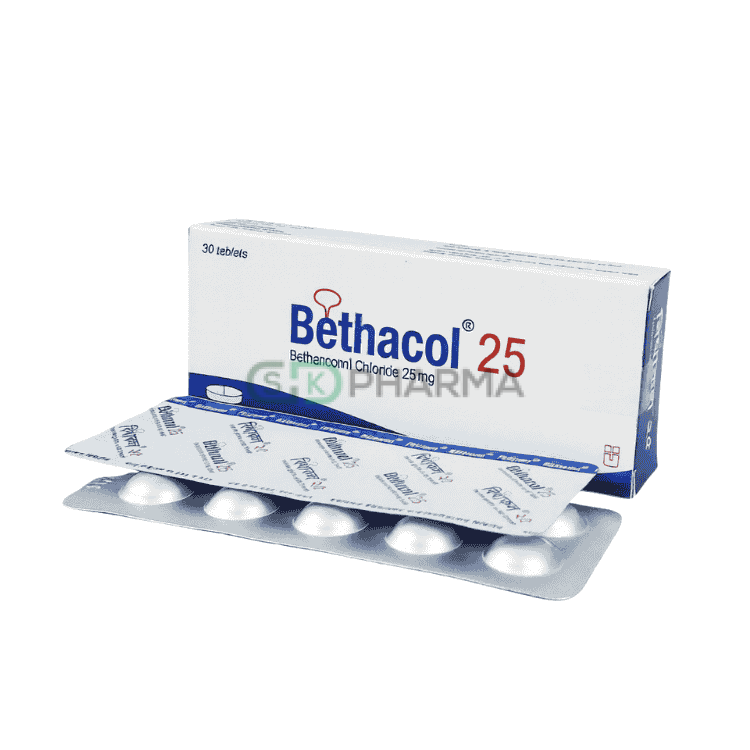
Veratin Tablet 6 mg (Ivermectin (Tablet))

Spakem Tablet 10 mg (Baclofen)

REMMO Tablet 20 mg (Esomeprazole (MUPS preparation))
Xitabin Tablet 150 mg (Capecitabine)

Taxedol Injection 20 mg/vial (Docetaxel Trihydrate)
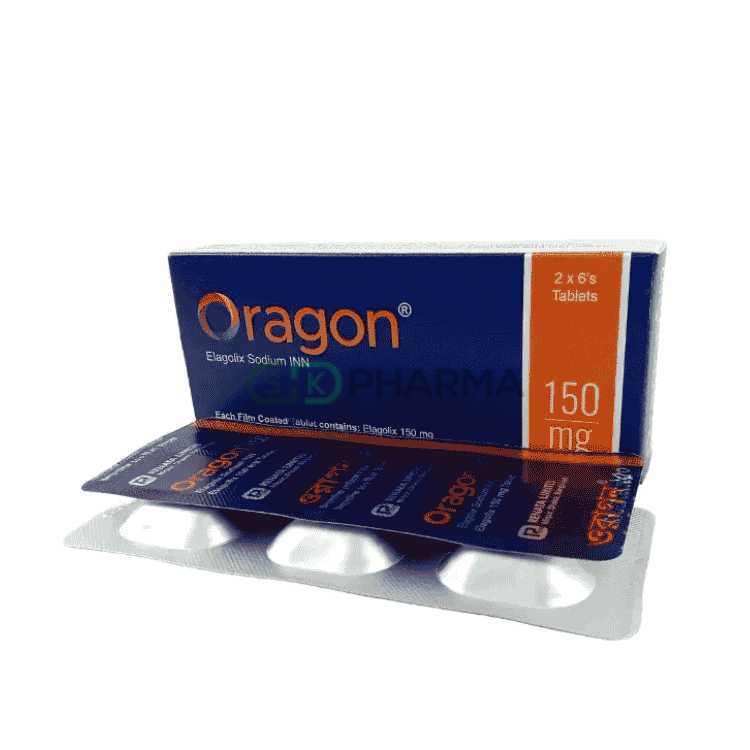
Oragon Tablet 150 mg (Elagolix Sodium)
Abeza Tablet 150 mg (Abemaciclib)

Gynest Vaginal Cream 0.10% (Estriol (Vaginal))

Product Queries (0)
Login Or Registerto submit your questions to seller
Other Questions
No none asked to seller yet
-
৳18.80
৳20.00 -
৳3.33
৳3.50 -
৳5.64
৳6.00 -
৳32.90
৳35.00


