


Arlin Tablet 400 mg (Linezolid)
-
 ৳18.80
৳20.00 -
৳3.33
৳3.50 -
৳5.64
৳6.00 -
৳32.90
৳35.00
![Recur Tablet 1 mg (Finasteride [For Androgenic Alopecia])](https://www.skpharma.com.bd/public/uploads/all/mqB5zpgTubYSB0CMtn0XXhQtwBc22ia6JfYbyrMt.png)


Reviews & Ratings
Arlin 400 mg is a potent oxazolidinone-class antibiotic with broad-spectrum activity against Gram-positive aerobic bacteria, some Gram-positive anaerobes, and selected Gram-negative pathogens. It is specifically designed to combat drug-resistant infections, including vancomycin-resistant Enterococcus faecium (VRE) and methicillin-resistant Staphylococcus aureus (MRSA). Arlin acts by inhibiting bacterial protein synthesis at a unique site, making it effective even when other antibiotics fail.
Available in oral and intravenous formulations, Arlin allows flexible dosing depending on the patient’s condition, age, and severity of infection. Its excellent oral bioavailability (~100%) ensures seamless transition from intravenous to oral therapy. Arlin 400 mg is commonly used in hospitals for serious infections where resistant bacteria are suspected or confirmed.
রেজিস্টার্ড চিকিৎসকের পরামর্শ অনুযায়ী ঔষধ সেবন করুন
Indications
Arlin 400 mg is indicated for the treatment of:
-
Vancomycin-Resistant Enterococcus faecium (VRE) infections, including concurrent bacteremia
-
Nosocomial pneumonia caused by Staphylococcus aureus (MSSA & MRSA) or Streptococcus pneumoniae, including multi-drug resistant strains
-
Complicated skin and soft tissue infections, including diabetic foot infections (without osteomyelitis) caused by S. aureus (MSSA & MRSA), Streptococcus pyogenes, or Streptococcus agalactiae
-
Uncomplicated skin and soft tissue infections caused by S. aureus (MSSA) or Streptococcus pyogenes
-
Community-acquired pneumonia caused by Streptococcus pneumoniae, including cases with concurrent bacteremia, or S. aureus (MSSA only)
Therapeutic Class
Oxazolidinone antibiotic (macrolide-like)
Pharmacology
Arlin 400 mg selectively inhibits bacterial protein synthesis by binding to the 23S rRNA of the 50S ribosomal subunit, preventing the formation of a functional 70S initiation complex, which is essential for bacterial translation.
Key Points:
-
Bacteriostatic against enterococci and staphylococci
-
Bactericidal against most streptococcal strains
-
Effective against multi-drug resistant Gram-positive organisms
-
Oral formulation bioavailability ~100%
-
IV infusion administered over 30–120 minutes
Dosage and Administration
Adults & Adolescents (≥12 years):
-
Complicated skin infections / community-acquired pneumonia: 600 mg IV or oral twice daily, 10–14 days
-
Nosocomial pneumonia / VRE infections: 600 mg IV or oral twice daily, 14–28 days
-
Uncomplicated skin infections: 400–600 mg orally twice daily, 10–14 days
Pediatric Patients:
-
Birth to 11 years: 10 mg/kg IV or oral, dosing t.i.d. or b.i.d depending on age and infection type
-
Neonates <7 days: 10 mg/kg IV every 12 hours; adjust to every 8 hours if needed
Administration Notes:
-
Oral suspension: Reconstitute with boiled and cooled water; use within 21 days
-
IV infusion: Ready-to-use single-use bags; administer over 30–120 minutes; do not mix with other additives
Drug Interactions
-
Monoamine oxidase inhibition: Potential interactions with adrenergic and serotonergic agents
-
Concomitant serotonergic drugs may increase risk of serotonin syndrome
-
Care with vasopressors, dopamine, epinephrine, or serotonin reuptake inhibitors
Contraindications
-
Known hypersensitivity to Arlin or components
-
Use with MAO inhibitors or within 2 weeks of MAO therapy
-
Uncontrolled hypertension, pheochromocytoma, thyrotoxicosis, or carcinoid syndrome
-
Caution with agents acting on adrenergic or serotonergic pathways
Side Effects
Common:
-
Diarrhea, nausea, headache
Other reported effects:
-
Oral/vaginal candidiasis, hypertension, dyspepsia, localized abdominal pain
-
Pruritus, tongue discoloration
-
Rare: convulsions, visual disturbances, serotonin syndrome
Precautions and Warnings
-
Monitor patients for recurrent nausea, vomiting, or unexplained acidosis
-
Watch for signs of serotonin syndrome with concomitant serotonergic drugs
-
Ophthalmic evaluation if visual changes occur
-
Use caution in patients with a history of seizures
Pregnancy and Lactation
-
Pregnancy Category C: Use only if benefits outweigh risks
-
Unknown if excreted in human milk; caution advised when nursing
Storage Conditions
-
Store at 15–30°C, protected from light and moisture
-
Keep out of reach of children
Mode of Action
Arlin 400 mg inhibits bacterial protein synthesis by preventing formation of the 70S initiation complex. It is bacteriostatic for most enterococci and staphylococci and bactericidal for streptococci. Its unique mechanism makes it effective against resistant Gram-positive pathogens.
Related Products

Euthycin Tablet 50 mcg (Levothyroxine Sodium)
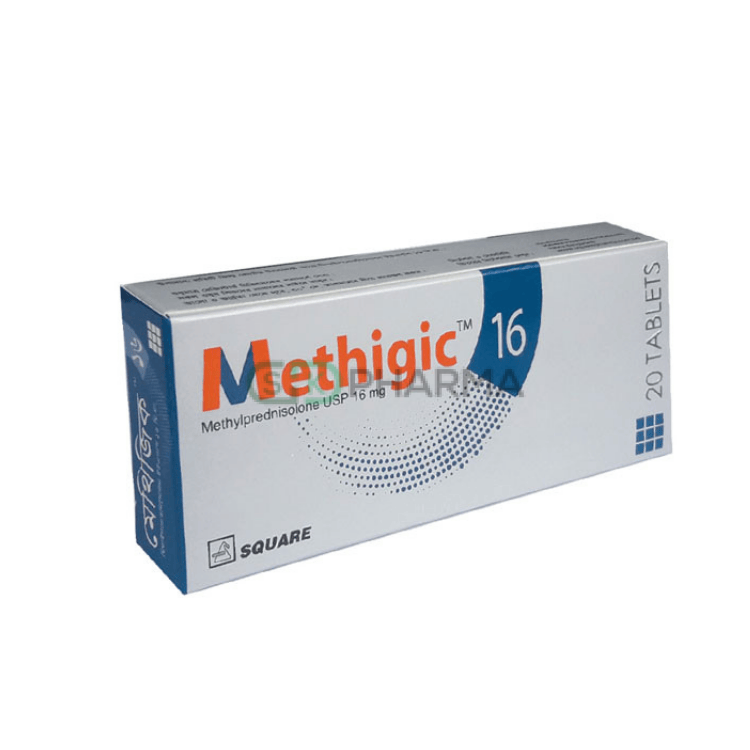
Methigic Tablet 16 mg (Methylprednisolone)
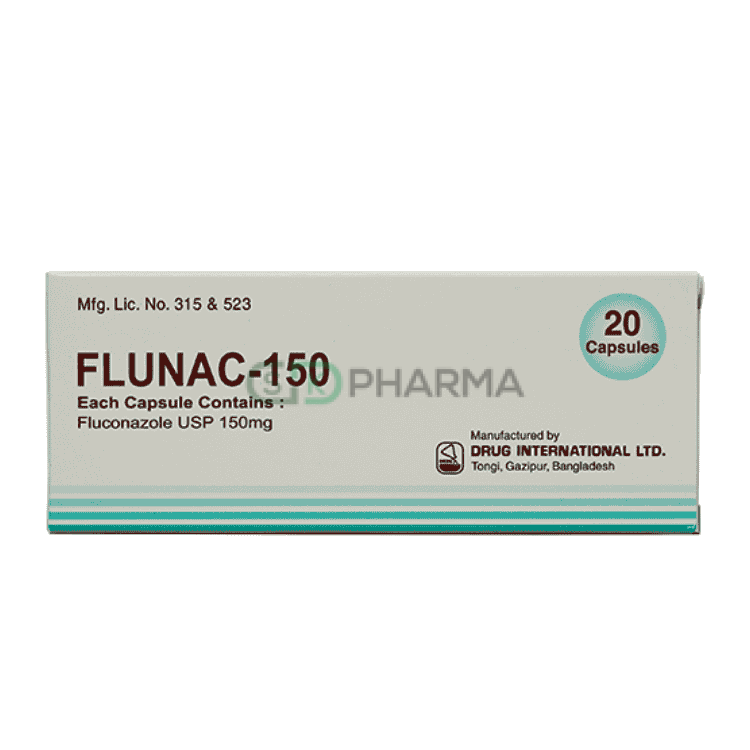
Flunac Capsule 150 mg (Fluconazole)

Tebast Tablet 10 mg (Ebastine)
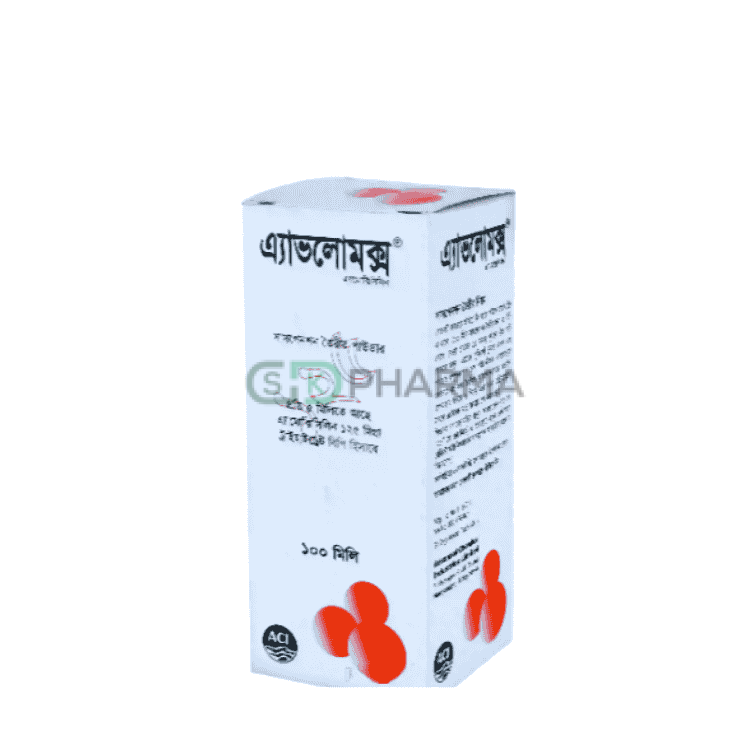
Avlomox Suspension 125 mg/5 ml (Amoxicillin Trihydrate)
Buviren Tablet 400 mg (Sofosbuvir)

Gabarol Capsule 25 mg (Pregabalin)

Lebac Capsule 500 mg (Cephradine)

Epicet Tablet 250 mg (Levetiracetam)
Product Queries (0)
Login Or Registerto submit your questions to seller
Other Questions
No none asked to seller yet
-
৳18.80
৳20.00 -
৳3.33
৳3.50 -
৳5.64
৳6.00 -
৳32.90
৳35.00


