![Recur Tablet 1 mg (Finasteride [For Androgenic Alopecia])](https://www.skpharma.com.bd/public/uploads/all/mqB5zpgTubYSB0CMtn0XXhQtwBc22ia6JfYbyrMt.png)





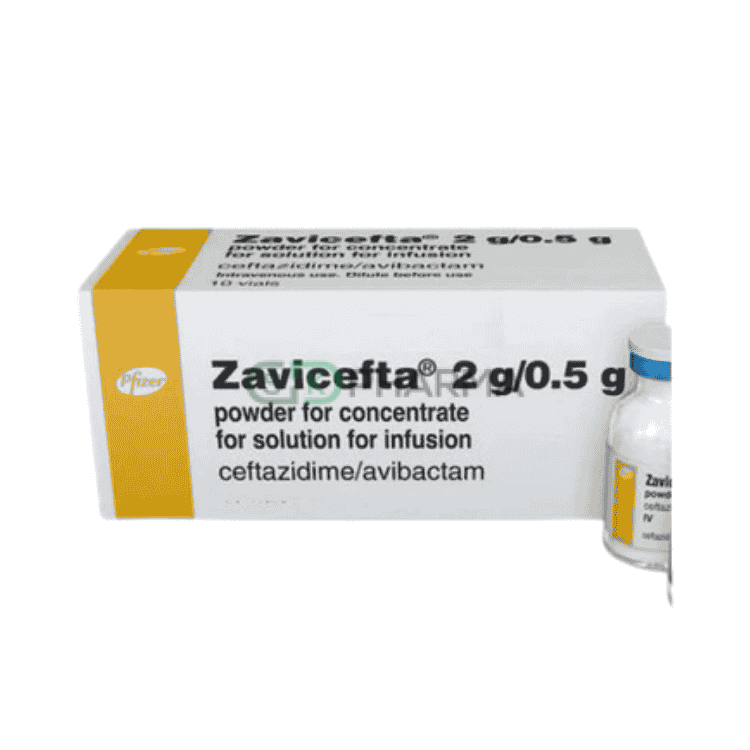
Zavicefta Injection (2 g + 0.5 g)/vial (Ceftazidime + Avibactam) is a broad-spectrum combination antibiotic used for the treatment of severe bacterial infections, particularly those caused by resistant Gram-negative bacteria. This injectable medication is usually administered in hospital settings under the supervision of healthcare professionals. Zavicefta is considered an important treatment option when other antibiotics are ineffective, especially in complicated infections.
রেজিস্টার্ড চিকিৎসকের পরামর্শ অনুযায়ী ঔষধ সেবন করুন
Composition and Mechanism of Action
Zavicefta Injection contains two active ingredients: Ceftazidime and Avibactam. Ceftazidime belongs to the cephalosporin class of antibiotics and works by interfering with bacterial cell wall synthesis. It binds to specific proteins known as penicillin-binding proteins (PBPs), which are essential for building and maintaining the bacterial cell wall. When the cell wall formation is disrupted, the bacteria become weak and eventually die.
However, many bacteria produce enzymes called beta-lactamases that can destroy antibiotics like ceftazidime. This is where avibactam plays an important role. Avibactam is a beta-lactamase inhibitor, meaning it blocks these enzymes and protects ceftazidime from being broken down. By inhibiting the beta-lactamase enzymes, avibactam restores the antibacterial activity of ceftazidime against resistant bacteria.
Together, this combination provides a strong and effective treatment against difficult bacterial infections.
Therapeutic Uses
Zavicefta Injection is mainly used to treat serious and complicated bacterial infections. Doctors commonly prescribe it for conditions such as:
-
Complicated Urinary Tract Infection (cUTI), including kidney infections
-
Complicated Intra‑abdominal Infection (cIAI)
-
Hospital‑Acquired Pneumonia, including ventilator-associated pneumonia
-
Other severe infections caused by multidrug-resistant Gram-negative bacteria
In certain cases, it may also be used when other antibiotic treatments have failed or when laboratory tests show that the infection is caused by bacteria susceptible to this combination.
Dosage and Administration
Zavicefta Injection is administered intravenously (IV) by a qualified healthcare professional. The usual adult dose is typically given every 8 hours through slow intravenous infusion over about two hours, although the exact dosage and duration depend on the type and severity of the infection.
The dose may need adjustment in patients with kidney impairment, as the medication is primarily eliminated through the kidneys. Patients should complete the full course of therapy as prescribed to ensure effective eradication of the infection.
Possible Side Effects
Like all medications, Zavicefta Injection may cause some side effects, although not everyone experiences them. Common side effects include:
-
Nausea or vomiting
-
Diarrhea
-
Headache
-
Fever
-
Injection site reactions
Most of these effects are mild and temporary.
In rare cases, more serious side effects may occur, such as allergic reactions, severe diarrhea associated with antibiotic use, or nervous system symptoms like seizures, particularly in patients with kidney problems. Immediate medical attention should be sought if severe symptoms occur.
রেজিস্টার্ড চিকিৎসকের পরামর্শ অনুযায়ী ঔষধ সেবন করুন
Precautions and Warnings
Before receiving Zavicefta Injection, patients should inform their doctor if they have a history of allergies to cephalosporins, penicillins, or other beta-lactam antibiotics. Individuals with kidney disease should also inform their healthcare provider, as dosage adjustments may be required.
Long-term use of antibiotics can sometimes lead to the overgrowth of non-susceptible organisms, including fungi. Therefore, patients should be monitored during treatment.
Pregnant and breastfeeding women should use this medication only if clearly prescribed by a doctor after assessing the potential benefits and risks.
Storage
Zavicefta Injection should be stored according to the manufacturer’s instructions, usually in a cool and dry place. Once reconstituted, the solution should be used within the recommended time to maintain its effectiveness.