


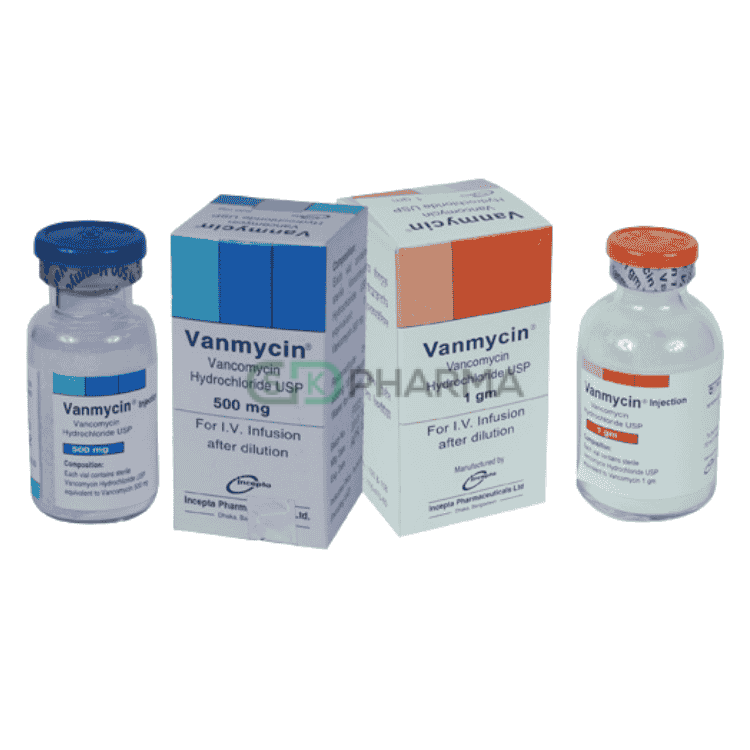
Vanmycin Injection 1 gm/vial (Vancomycin Hydrochloride)
-
 ৳18.80
৳20.00 -
৳3.33
৳3.50 -
৳5.64
৳6.00 -
৳32.90
৳35.00
![Recur Tablet 1 mg (Finasteride [For Androgenic Alopecia])](https://www.skpharma.com.bd/public/uploads/all/mqB5zpgTubYSB0CMtn0XXhQtwBc22ia6JfYbyrMt.png)



Reviews & Ratings
Vanmycin 1 gm/vial is a potent glycopeptide antibiotic used to treat serious and potentially life-threatening bacterial infections that cannot be managed with less toxic antimicrobials such as penicillins or cephalosporins. It is highly effective against Gram-positive bacteria, particularly staphylococci that are resistant to other antibiotics. Vancomycin is commonly employed in the treatment of infections such as endocarditis, osteomyelitis, pneumonia, septicemia, and severe soft tissue infections. It is also used prophylactically in high-risk patients undergoing dental or surgical procedures to prevent bacterial endocarditis.
রেজিস্টার্ড চিকিৎসকের পরামর্শ অনুযায়ী ঔষধ সেবন করুন
Therapeutic Class
-
Glycopeptide Antibiotic
Pharmacology
Vancomycin exerts its bactericidal activity by binding tightly to the D-alanyl-D-alanine portion of the bacterial cell wall precursor. This binding blocks glycopeptide polymerization, leading to inhibition of cell wall synthesis and secondary damage to the cytoplasmic membrane. This mechanism effectively kills susceptible bacteria and prevents the spread of infection.
Indications
Vanmycin 1 gm/vial is indicated for:
-
Severe staphylococcal infections unresponsive to penicillins or cephalosporins
-
Endocarditis and prophylaxis against bacterial endocarditis in at-risk patients
-
Osteomyelitis, pneumonia, septicemia, and severe soft tissue infections
-
Other potentially life-threatening infections caused by Gram-positive bacteria
Dosage & Administration
-
Adults: Recommended concentrations of ≤5 mg/mL and infusion rates of ≤10 mg/min. For patients requiring fluid restriction, concentrations up to 10 mg/mL may be used. Typical daily dose is 2 g divided into 2–4 doses.
-
Children: Total daily dose of 40 mg/kg in 4 divided doses.
-
Infants & Neonates: Initial dose 15 mg/kg, followed by 10 mg/kg every 12 hours for the first week, then every 8 hours up to 1 month of age.
-
Patients with Renal Impairment: Dosage must be adjusted according to creatinine clearance. Initial doses should remain ≥15 mg/kg to achieve therapeutic serum concentrations. Maintenance doses may be spaced further apart in patients with severe renal impairment or anuria.
Administration:
-
Intravenous infusion is recommended.
-
Rapid infusion should be avoided to minimize adverse effects such as "red man syndrome."
-
Intraperitoneal or intramuscular injection is not recommended due to tissue irritation.
Contraindications
-
Known hypersensitivity to vancomycin or any component of the formulation
-
Caution in patients with pre-existing renal impairment or auditory disorders
Side Effects
Vancomycin is generally well tolerated when infused slowly. Possible adverse effects include:
-
Anaphylactic reactions: hypotension, wheezing, dyspnea, urticaria, pruritus
-
"Red neck" syndrome: flushing of the upper body
-
Pain, muscle spasm, or thrombophlebitis at the injection site
-
Nausea, vomiting, headache, or mild fever
Prolonged use may result in superinfection or pseudomembranous colitis caused by Clostridium difficile.
Precautions & Warnings
-
Monitor renal function, auditory function, and vancomycin blood levels, especially in elderly patients and those with borderline renal function
-
Periodic hematologic studies and urinalysis are recommended during prolonged therapy
-
Careful observation is essential for signs of superinfection
Pregnancy & Lactation
-
Pregnancy Category: Unknown; use only if clearly needed, with close monitoring of maternal and fetal status
-
Lactation: Excreted in breast milk; caution is advised, though absorption by the infant is minimal
Overdose
Supportive care is recommended. Vancomycin is poorly removed by hemodialysis or peritoneal dialysis. Hemoperfusion with Amberlite resin XAD-4 may provide limited benefit.
Storage
Store in a cool, dry place, protected from light. Keep out of reach of children.
Related Products
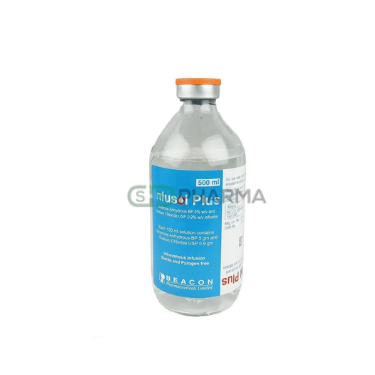
Infusol Plus Injection 0.9%+5% (Sodium Chloride + Dextrose)


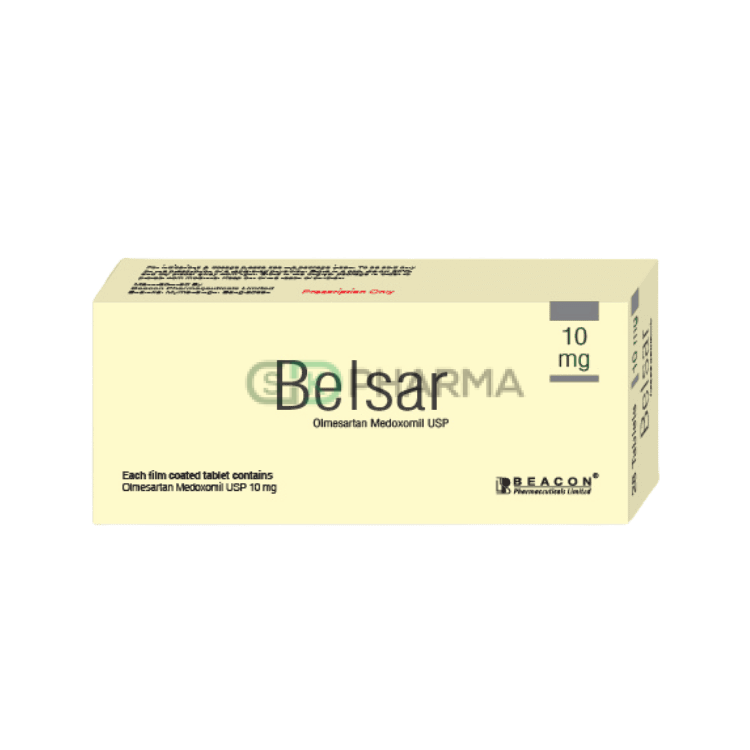
Belsar Tablet 10 mg (Olmesartan Medoxomil)
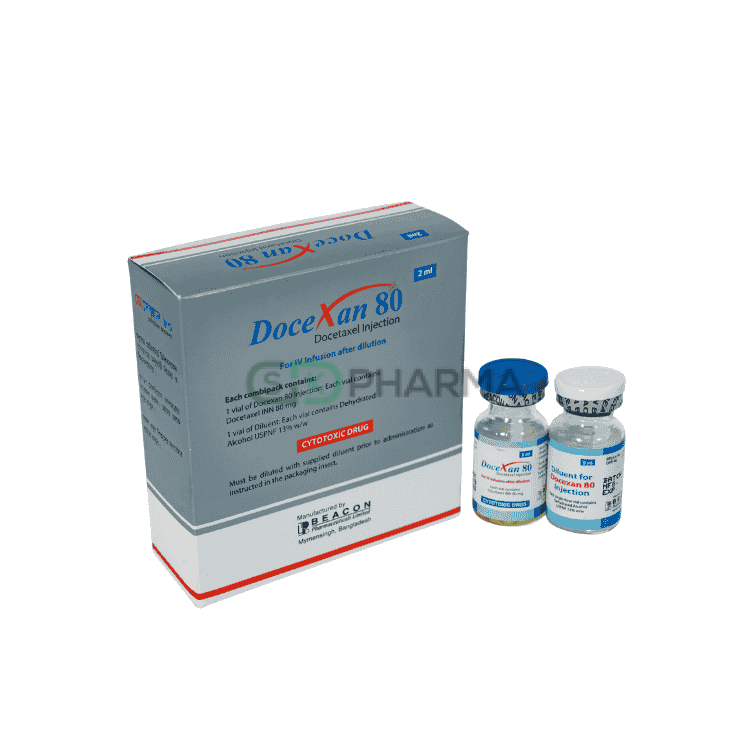
Docexan Injection 80 mg/vial (Docetaxel Trihydrate)


Amodis Tablet 400 mg (Metronidazole)
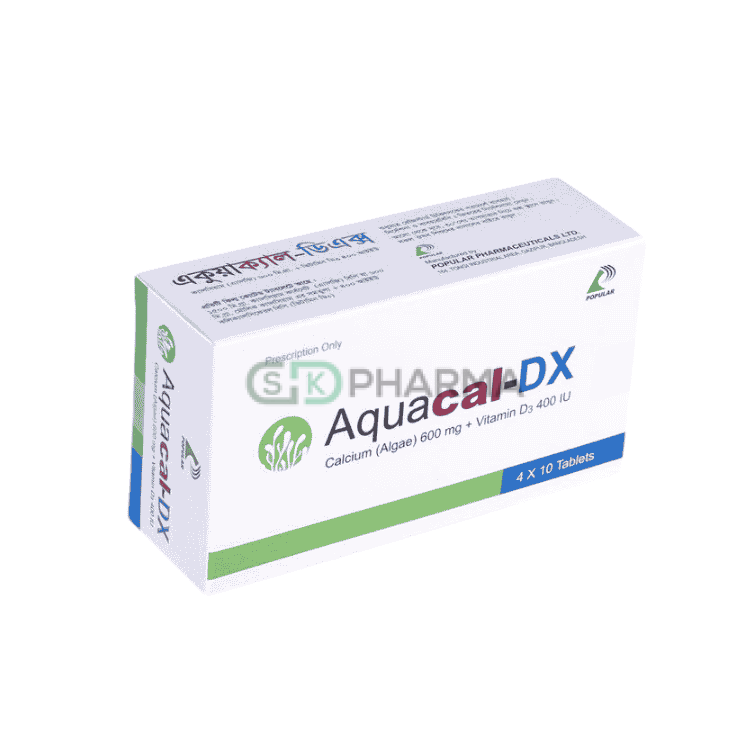

Bisocor Tablet 2.5 mg Bisoprolol (Fumarate)
![Colasa Tablet 800 mg (Mesalazine [5-aminosalicylic acid])](https://www.skpharma.com.bd/public/uploads/all/0Qg2bDlr74kuKhzFqzuLY467iFuOLG59xZ2NNkkK.png)
Product Queries (0)
Login Or Registerto submit your questions to seller
Other Questions
No none asked to seller yet
-
৳18.80
৳20.00 -
৳3.33
৳3.50 -
৳5.64
৳6.00 -
৳32.90
৳35.00


