


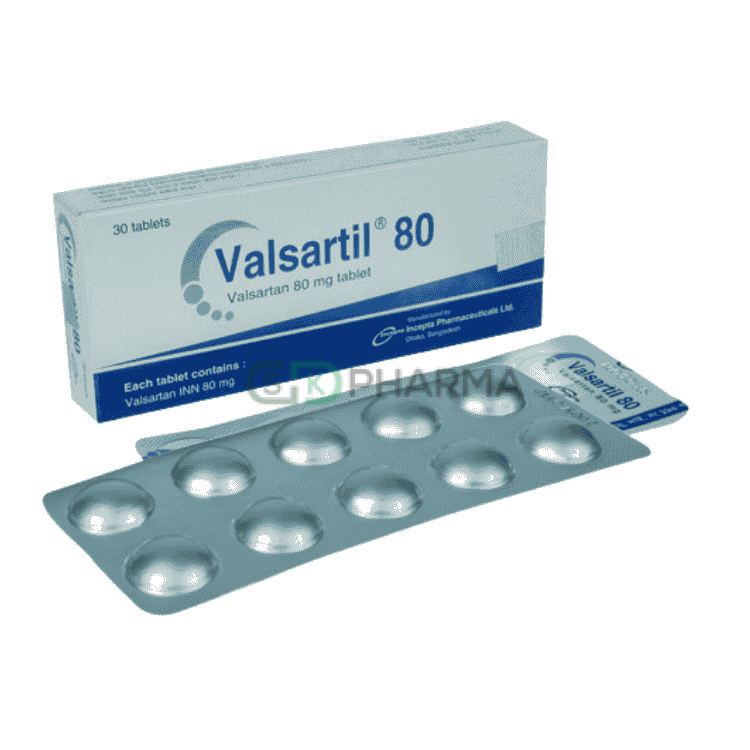
Valsartil Tablet 80 mg (Valsartan)
-
 ৳3.33
৳3.33৳3.50 -
৳5.64
৳6.00 -
৳8.46
৳9.00 -
৳32.90
৳35.00


Reviews & Ratings
Valsartil 80 mg is an oral antihypertensive medication that belongs to the class of angiotensin II receptor blockers (ARBs). It is designed to manage high blood pressure (hypertension), reduce hospitalizations in patients with congestive heart failure, and decrease mortality in patients who develop heart failure after a myocardial infarction.
Valsartil works by blocking the effects of angiotensin II, a hormone responsible for vasoconstriction (narrowing of blood vessels). This leads to relaxation of blood vessels, reduction in blood pressure, and improved blood flow without significantly affecting heart rate. It exhibits a high specificity for the AT1 receptor, ensuring targeted cardiovascular action while minimizing off-target effects.
রেজিস্টার্ড চিকিৎসকের পরামর্শ অনুযায়ী ঔষধ সেবন করুন
Therapeutic Class
-
Angiotensin II Receptor Blocker (ARB)
Indications
Valsartil 80 mg is indicated for:
-
Hypertension – To lower elevated blood pressure and reduce the risk of cardiovascular complications.
-
Congestive Heart Failure (CHF) – To reduce hospitalizations in patients with symptomatic heart failure.
-
Post-Myocardial Infarction Heart Failure – To reduce mortality in patients who develop heart failure after a heart attack.
Pharmacology
-
Mechanism of Action: Valsartil selectively blocks angiotensin II AT1 receptors, preventing vasoconstriction and aldosterone-mediated sodium and water retention. This results in vasodilation, lower blood pressure, and decreased cardiac workload.
-
Pharmacokinetics:
-
Orally active with peak plasma concentration in 2–4 hours
-
Excreted primarily via bile and minimally through urine
-
Does not undergo significant metabolism, minimizing drug-drug interactions
-
Dosage & Administration
Hypertension:
-
Typical dose: 80–160 mg once daily
-
Maximum dose: 320 mg daily
-
Maximum effect is usually observed within 4 weeks
Heart Failure:
-
Initial dose: 40 mg twice daily
-
May be increased to 80–160 mg twice daily based on tolerance
Post-Myocardial Infarction:
-
Initial dose: 20 mg twice daily
-
Titrate to a target dose of 160 mg daily as tolerated
Administration Tips:
-
Take on an empty stomach as food decreases absorption by ~40%
-
No initial dose adjustment needed for elderly patients with mild to moderate renal or hepatic insufficiency
Drug Interactions
-
Valsartil has minimal clinically significant interactions
-
Studied drugs include Cimetidine, Warfarin, Furosemide, Digoxin, Atenolol, Indomethacin, Hydrochlorothiazide, Amlodipine, Glibenclamide
-
Concomitant use with potassium-sparing diuretics or potassium supplements may increase serum potassium; monitor levels carefully
Contraindications
-
Hypersensitivity to Valsartil or any formulation component
-
Severe hepatic impairment
-
Pregnancy (2nd and 3rd trimester)
Side Effects
Generally well tolerated. Common side effects include:
-
Headache, dizziness, fatigue
-
Abdominal pain, diarrhea, nausea
-
Hyperkalemia, hypotension (especially with diuretics)
-
Less common: rash, muscle cramps, vertigo, insomnia, dyspnea, impotence
Precautions & Warnings
-
Hepatic Impairment: Use cautiously; maximum 80 mg daily for mild/moderate impairment
-
Renal Impairment: Dose reduction or discontinuation may be needed
-
Heart Failure/Myocardial Infarction: Start therapy with caution
-
Pregnancy: Contraindicated in 2nd/3rd trimester due to risk of fetal injury
-
Nursing: Use caution; effect on breast milk is unknown
Overdose
-
Most likely manifestations: hypotension, tachycardia; bradycardia may occur
-
Management: Place patient supine, administer intravenous normal saline if necessary
Special Populations
-
Pediatric: Safety not established
-
Geriatric: No overall efficacy difference, but increased sensitivity in some elderly
-
Hepatic Impairment: Mild/moderate: 80 mg once daily; severe: contraindicated
Storage
-
Store at 15–30°C, protected from heat and moisture
-
Keep out of reach of children
Mode of Action
Valsartil 80 mg is a selective angiotensin II AT1 receptor antagonist. By blocking angiotensin II, it prevents vasoconstriction and sodium retention, leading to vasodilation, reduced blood pressure, and decreased cardiac stress without affecting the heart rate. Its high specificity minimizes side effects related to other hormone receptors or ion channels.
Pregnancy
-
Should not be used during pregnancy, particularly 2nd and 3rd trimester
-
Nursing mothers: Use caution; weigh importance of therapy vs. potential infant risk.
Related Products
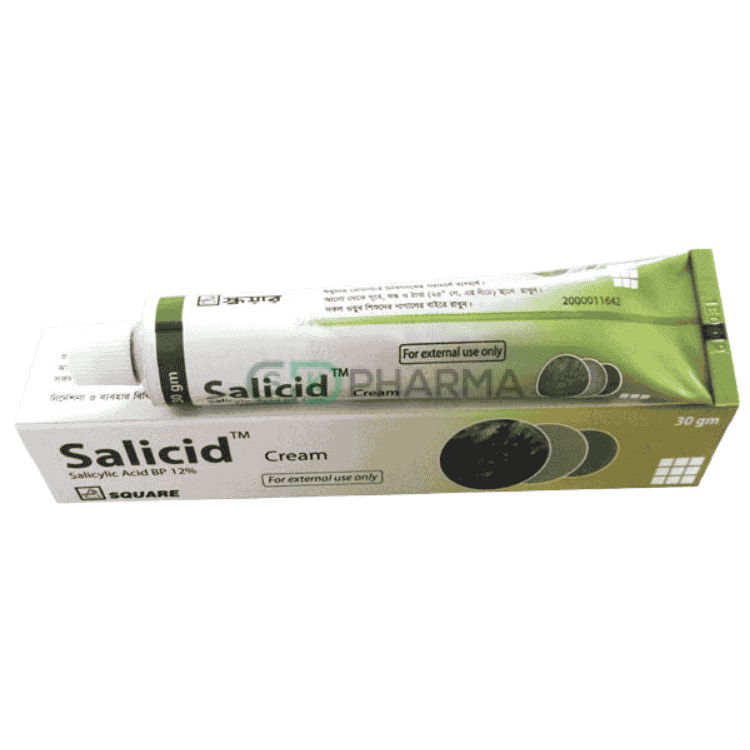
Salicid Cream 12% (Salicylic Acid)

Nor Q Injection 10 mg/vial (Vecuronium Bromide)

Dabigat Capsule 150 mg (Dabigatran Etexilate Mesylate)
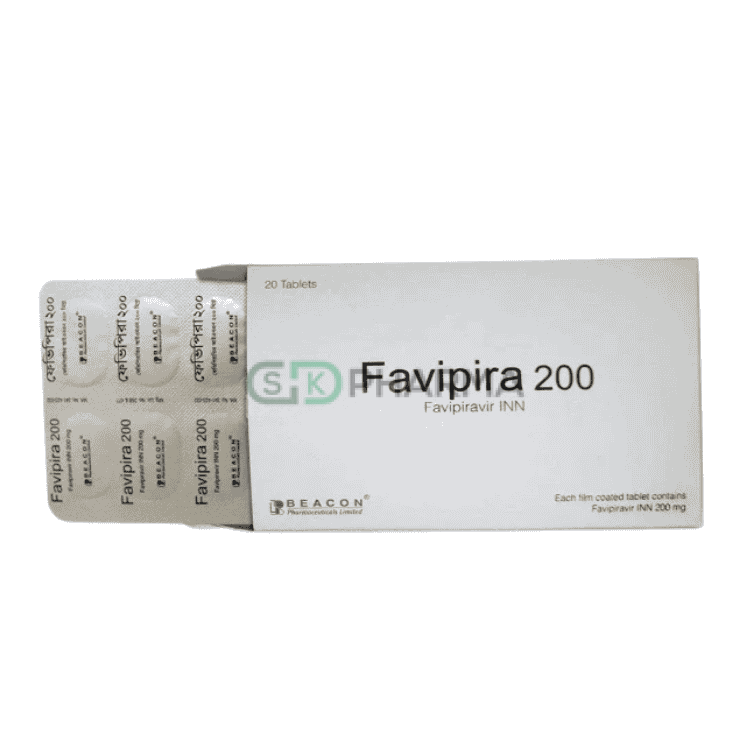
Favipira Tablet 200 mg (Favipiravir)

Erloren Tablet 100 mg (Erlotinib)

Eletam Tablet 500 mg (Levetiracetam)

Deferox Tablet 500 mg (Deferasirox)


Ketoral Tablet 200 mg (Ketoconazole)
Product Queries (0)
Login Or Registerto submit your questions to seller
Other Questions
No none asked to seller yet
-
৳3.33
৳3.50 -
৳5.64
৳6.00 -
৳8.46
৳9.00 -
৳32.90
৳35.00


