


Valex Tablet 200 mg (Sodium Valproate)
-
 ৳18.80
৳20.00 -
৳3.33
৳3.50 -
৳5.64
৳6.00 -
৳32.90
৳35.00
![Recur Tablet 1 mg (Finasteride [For Androgenic Alopecia])](https://www.skpharma.com.bd/public/uploads/all/mqB5zpgTubYSB0CMtn0XXhQtwBc22ia6JfYbyrMt.png)


Reviews & Ratings
Valex 200 mg is a primary anti-epileptic drug containing Sodium Valproate, formulated for the treatment of all types of epilepsy. It is also indicated for bipolar disorder, prophylaxis of migraine, febrile convulsions, and post-traumatic epilepsy. Valex 200 mg works by increasing brain levels of gamma-aminobutyric acid (GABA), an inhibitory neurotransmitter, thereby stabilizing electrical activity in the brain and reducing seizure activity.
The preparation is available in multiple forms, including enteric-coated tablets, controlled-release tablets, syrup, and injectable solutions, making it suitable for various patient populations, including adults and children. The enteric-coated and controlled-release formulations help minimize gastrointestinal side effects and allow for flexible dosing schedules.
রেজিস্টার্ড চিকিৎসকের পরামর্শ অনুযায়ী ঔষধ সেবন করুন
Therapeutic Class
Primary Anti-Epileptic Drugs
Indications
Valex 200 mg is indicated for:
-
All types of epilepsy:
-
Partial seizures
-
Absence seizures (petit mal)
-
Generalized tonic-clonic seizures (grand mal)
-
Myoclonic and atonic seizures
-
Mixed seizures including absence attacks
-
-
Prophylaxis of febrile convulsions
-
Prophylaxis of post-traumatic epilepsy
-
Bipolar disorder (mood stabilization)
-
Prophylaxis of migraine
Pharmacology
Valex 200 mg exhibits antiepileptic properties through modulation of GABAergic activity, increasing inhibitory neurotransmission in the central nervous system. This leads to stabilization of neuronal firing and reduction of seizure frequency and intensity.
Pharmacokinetics:
-
Well-absorbed orally; peak plasma concentrations vary by formulation
-
Metabolized in the liver; partially excreted in urine
-
Half-life: 9–16 hours in adults; may vary in children
Dosage and Administration
Adults:
-
Initial dose: 600 mg/day in 2 divided doses after food
-
Titration: Increase by 200 mg/day every 3 days as needed
-
Maximum dose: 2.5 g/day in divided doses
-
Maintenance: 1–2 g/day (20–30 mg/kg/day)
Children:
-
Up to 20 kg: 20 mg/kg/day in divided doses, titrated as required
-
Over 20 kg: Initial 400 mg/day, increased up to 20–35 mg/kg/day
Special Uses:
-
Febrile convulsions: 20–30 mg/kg/day in 3 divided doses
-
Bipolar disorder: 600 mg/day initially, maintenance 1–2 g/day
-
Migraine prophylaxis: 400–600 mg/day, up to 1–1.5 g/day
Injectable:
-
Adults: 400–800 mg IV over 3–5 minutes or via continuous infusion, max 2.5 g/day
-
Children: 20–30 mg/kg/day, max 40 mg/kg/day
Interactions
Valex 200 mg can inhibit drug metabolism, affecting:
-
Phenobarbital
-
Phenytoin
-
Warfarin
-
Aspirin
Dose adjustments may be necessary to avoid toxicity when used with these drugs.
Contraindications
-
Known hypersensitivity to Sodium Valproate
-
Liver dysfunction
-
Pregnancy or women of childbearing potential (unless clearly indicated)
Side Effects
Common side effects:
-
Gastrointestinal: nausea, vomiting, anorexia (reduced with enteric-coated tablets)
-
CNS: sedation, tremor, ataxia
-
Dermatologic: rash, alopecia
-
Rare but serious: hepatic injury, fulminant hepatitis, pancreatitis, hyperammonemia
Regular monitoring of liver function and plasma levels is recommended, especially in children under 2 years or patients on multiple antiepileptics.
Precautions
-
Monitor liver function before therapy and during the first 6 months
-
Avoid sudden withdrawal of therapy to prevent seizure recurrence
-
Adjust dosing in renal impairment
-
Avoid use in systemic lupus erythematosus
-
May interfere with urine ketone testing
Pregnancy and Lactation
-
Pregnancy: Crosses the placenta; associated with neural tube defects (anencephaly, spina bifida) if used in the first trimester
-
Lactation: Excreted in breast milk; caution advised
Storage
-
Store below 30°C, protected from light
-
Keep out of reach of children
Mode of Action
Valex 200 mg increases GABA levels in the brain, enhancing inhibitory neurotransmission and stabilizing neuronal excitability, which helps control seizures across a broad spectrum of epilepsy types.
Related Products

Mobifen SR Capsule 100 mg (Diclofenac Sodium)


Beuflox Powder 250 mg/sachet (Ciprofloxacin)
Magolin Tablet 2.5 mg (Mirogabalin Besylate)


Bredicon Tablet 0.075 mg (Desogestrel)
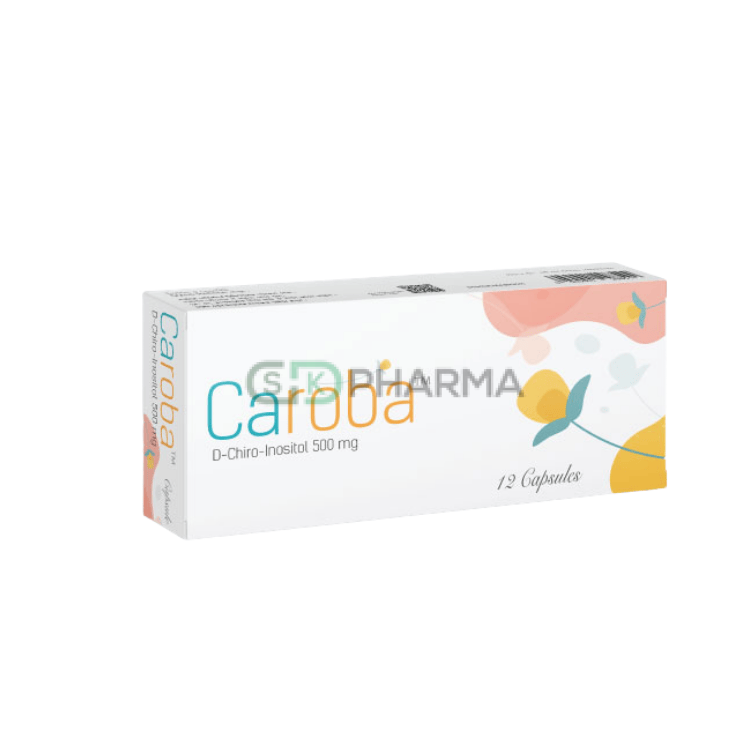
Caroba Capsule 500 mg (D-chiro-inositol)

Rinva Tablet 15 mg (Upadacitinib)

Ceftipime Injection 500 mg/vial (Cefepime Hydrochloride)
Product Queries (0)
Login Or Registerto submit your questions to seller
Other Questions
No none asked to seller yet
-
৳18.80
৳20.00 -
৳3.33
৳3.50 -
৳5.64
৳6.00 -
৳32.90
৳35.00


