


Tranexil Capsule 500 mg (Tranexamic Acid)
-
 ৳18.80
৳20.00 -
৳3.33
৳3.50 -
৳5.64
৳6.00 -
৳8.46
৳9.00
![Recur Tablet 1 mg (Finasteride [For Androgenic Alopecia])](https://www.skpharma.com.bd/public/uploads/all/mqB5zpgTubYSB0CMtn0XXhQtwBc22ia6JfYbyrMt.png)


Reviews & Ratings
Tranexamic Acid competitively inhibits the activation of plasminogen by binding to its kringle domain, thereby preventing its conversion to plasmin. Plasmin is responsible for breaking down fibrin clots, fibrinogen, and several coagulation factors. By inhibiting plasmin formation and activity, Tranexil 500 mg effectively reduces fibrinolysis and controls bleeding.
After oral administration, Tranexamic Acid is rapidly absorbed, reaching peak plasma concentration within 2–3 hours. Approximately 40% of the oral dose and about 45% of the intravenous dose are excreted unchanged in the urine within 24 hours.
রেজিস্টার্ড চিকিৎসকের পরামর্শ অনুযায়ী ঔষধ সেবন করুন
Indications
In Medicine:
-
Prophylaxis and treatment of hemoptysis
-
Digestive tract hemorrhages
-
Hemorrhagic syndromes in leukemia, cirrhosis, hemophilia
-
Thrombocytopenic purpura
-
Bleeding associated with thrombolytic therapy and blood transfusion
In Surgery:
-
Prevention and control of bleeding during and after all types of surgery
-
Particularly useful in pulmonary, cardiovascular, and abdominal surgeries
-
Management of post-operative and traumatic shock-related hemorrhage
In Urology:
-
Prophylaxis and treatment of bleeding in prostatic, vesical, and renal surgery
-
Management of hematuria
In Obstetrics & Gynecology:
-
Postpartum and puerperal hemorrhage
-
Functional menorrhagia and metrorrhagia
-
IUD-induced menorrhagia
-
Bleeding due to cervical conization
-
Hyperfibrinolysis associated with abruptio placentae and premature placental detachment
In Otorhinolaryngology:
-
Tonsillectomy-related bleeding
-
Epistaxis
-
Bleeding during ENT surgical procedures
In Stomatology & Dental Surgery:
-
Prevention and treatment of bleeding during tooth extraction and maxillofacial surgery, especially in patients with coagulopathies
In Oncology (Supportive Therapy):
-
Reduction of bleeding during surgical interventions
-
Promotion of fibrin capsule formation to inhibit ovarian tumor growth
-
Regression of carcinoma-associated ascites
Dosage & Administration
General Adult Dose:
-
500–1000 mg orally, three times daily
Prophylaxis:
-
0.5–1 g orally per day
-
500 mg via intravenous or intramuscular route
Therapeutic Use:
-
1–3 g orally per day in divided doses
-
In severe cases, initial slow intravenous injection of 500 mg followed by oral therapy
Special Indications:
-
Menorrhagia: 1–1.5 g orally, 3–4 times daily for 3–4 days
-
Epistaxis: 1.5 g orally, three times daily for 4–10 days
-
Prostatectomy: 5–10 ml IV every 8 hours for 3 days, then oral therapy
-
Dental surgery in coagulopathies: IV and oral dosing based on body weight
Children:
-
Prophylaxis: 5–10 mg/kg/day orally
-
Treatment: 10–20 mg/kg/day orally; IV dose 10 mg/kg
-
Elderly: No dose adjustment unless renal impairment is present
Drug Interactions
-
Incompatible with penicillin-containing solutions
-
Antagonized by thrombolytic agents such as streptokinase and urokinase
-
Increased risk of thrombosis with estrogen-containing drugs
-
Direct admixture with whole blood during transfusion should be avoided
Contraindications
-
Hypersensitivity to Tranexamic Acid
-
Active thromboembolic disorders
-
Arterial or venous thrombosis
-
Endocavitary hemorrhage
-
Severe renal failure
Side Effects
Tranexil 500 mg is generally well tolerated. Possible adverse effects include:
-
Nausea, diarrhea, gastric discomfort
-
Fatigue and dizziness
-
Skin rash, itching, redness
-
Nasal congestion and conjunctival irritation
-
Rare cases of postural hypotension
Pregnancy & Lactation
Tranexamic Acid crosses the placenta, and clinical data in pregnancy are limited. Use during pregnancy should be avoided unless clearly necessary. The drug is excreted in breast milk in very small amounts and is unlikely to affect the infant at therapeutic doses.
Precautions & Warnings
-
Use only in confirmed hyperfibrinolytic states
-
Adjust dosage in patients with renal impairment
-
Use cautiously in patients with cardiovascular or hepatic disease
-
Reduce dose in isolated hematuria to avoid urinary tract clot formation
Storage Conditions
Store in a dry place at 15–30°C, protected from light, and keep out of reach of children.
Related Products

Renaplat Injection 1 mg/ml (Cisplatin)

Xalanol Eye Drop 0.005%+0.5% (Latanoprost + Timolol)
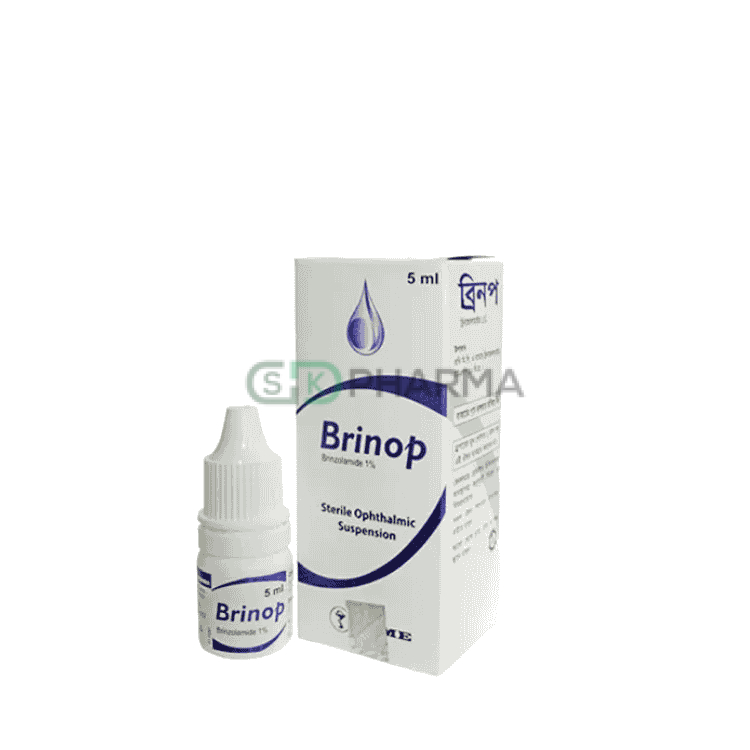
Brinop Suspension 1% B(rinzolamide)

Camlor Tablet 8 mg (Lornoxicam)

Ucrafate Tablet 1000 mg (Sucralfate)

Bactoderm Ointment 2% w/w (Mupirocin)
Myobac Tablet 10 mg (Baclofen)
Product Queries (0)
Login Or Registerto submit your questions to seller
Other Questions
No none asked to seller yet
-
৳18.80
৳20.00 -
৳3.33
৳3.50 -
৳5.64
৳6.00 -
৳8.46
৳9.00


