


Inospiron Tablet 100 mg (Spironolactone)
-
 ৳3.33
৳3.33৳3.50 -
৳5.64
৳6.00 -
৳8.46
৳9.00 -
৳32.90
৳35.00


Reviews & Ratings
Inospiron 100 mg is a potassium-sparing diuretic and aldosterone antagonist indicated for a variety of conditions where fluid retention or abnormal aldosterone activity occurs. Its main indications include:
-
Congestive Heart Failure (CHF):
Helps reduce fluid overload, edema, and associated symptoms in patients with CHF, improving cardiac function and reducing hospitalization risk. -
Hepatic Cirrhosis with Ascites and Edema:
Used to manage fluid retention caused by liver cirrhosis. It helps mobilize excess fluid while conserving potassium. -
Nephrotic Syndrome:
Controls edema associated with kidney disorders, helping maintain fluid balance. -
Primary Hyperaldosteronism (Conn’s Syndrome):
Used to block excessive aldosterone activity before surgery or as long-term management in patients not suitable for surgery. -
Essential Hypertension:
Can be used as an antihypertensive, either alone or in combination with other agents, to help lower blood pressure. -
Hypokalemia:
Effective in treating low potassium levels caused by other diuretics by retaining potassium while promoting sodium and water excretion.
Therapeutic Class
-
Potassium-sparing diuretics
-
Aldosterone antagonists
Pharmacology / Mode of Action
Inospiron 100 mg acts as a competitive antagonist of aldosterone at the distal convoluted renal tubules. By binding to mineralocorticoid receptors:
-
Sodium and water excretion is increased.
-
Potassium is retained, preventing hypokalemia.
-
It also reduces vascular resistance, contributing to antihypertensive effects.
Aldosterone normally promotes sodium retention and potassium excretion. By blocking aldosterone, Inospiron disrupts this balance, helping in fluid management and electrolyte regulation.
Dosage & Administration
-
Edema (CHF, cirrhosis, nephrotic syndrome):
100 mg daily (single or divided), adjustable from 25–200 mg. Can be combined with other diuretics for faster effect. -
Primary hyperaldosteronism:
100–400 mg daily pre-surgery; lower doses for long-term therapy if surgery is not an option. -
Essential hypertension:
50–100 mg daily, single or divided dose. -
Hypokalemia:
25–100 mg daily to correct potassium depletion from other diuretics.
Administration: Taken orally with or after meals to reduce gastrointestinal discomfort.
Interactions
-
ACE inhibitors: May cause severe hyperkalemia when combined.
-
Lithium: Reduced clearance and increased toxicity risk.
-
Digoxin: Prolonged half-life may occur.
-
Corticosteroids/ACTH: May intensify electrolyte depletion.
-
Alcohol, barbiturates, narcotics: May increase orthostatic hypotension risk.
Contraindications
-
Acute renal insufficiency or significant renal impairment
-
Hyperkalemia
-
Anuria
-
Hypersensitivity to spironolactone
Side Effects
-
Gynaecomastia, impotence
-
Gastrointestinal issues: cramping, diarrhea
-
Headache, drowsiness, mental confusion
-
Menstrual irregularities, post-menopausal bleeding
Pregnancy & Lactation
-
Pregnancy: Should be avoided.
-
Lactation: Canrenone (active metabolite) appears in breast milk; consider alternative feeding.
Precautions
-
Monitor fluid and electrolyte balance closely.
-
Risk of hyperkalemia in renal impairment or with high potassium intake.
-
Adjust dose carefully in elderly or renal-compromised patients.
Overdose
Symptoms: dizziness, confusion, diarrhea, vomiting.
Management: supportive therapy, gastric lavage if appropriate, and monitoring of electrolytes.
Storage
Store in a cool, dry place, protected from light, and out of reach of children.
Related Products

Canarol Tablet 100 mg (Canagliflozin Hemihydrate)

Pantobex Tablet 40 mg (Pantoprazole Sodium)
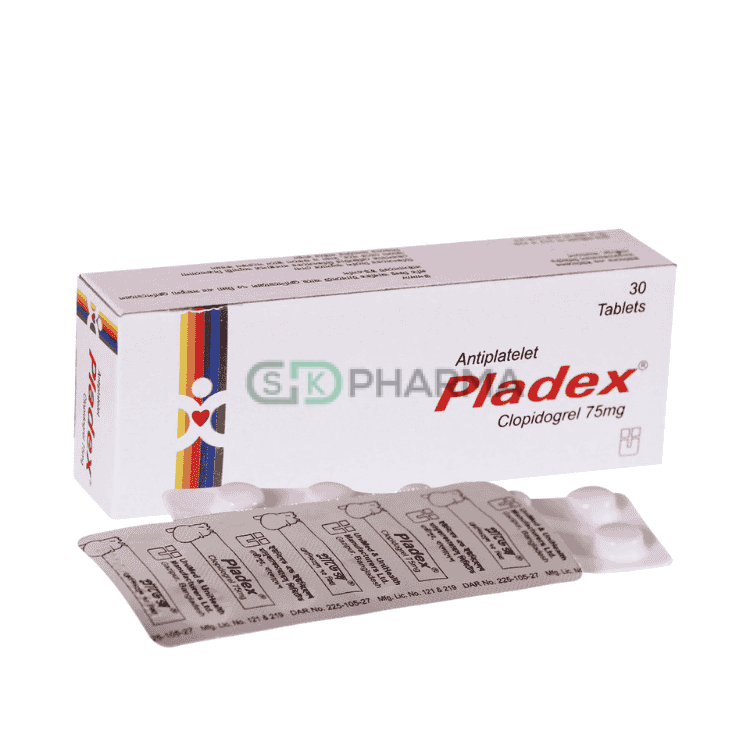
Pladex Tablet 75 mg (Clopidogrel Bisulphate)

Salost DR Tablet 35 mg (Risedronate Sodium)

Elagolic Tablet 150 mg (Elagolix Sodium)

Acos Tablet 500 mg (Azithromycin Dihydrate)

Etrax Tablet 40 mg (Levamisole Hydrochloride)

Maxpro Tablet 20 mg (Esomeprazole)
Miltefos Capsule 50 mg (Miltefosine)

Lactoride Injection (Hartmann's Solution)
Product Queries (0)
Login Or Registerto submit your questions to seller
Other Questions
No none asked to seller yet
-
৳3.33
৳3.50 -
৳5.64
৳6.00 -
৳8.46
৳9.00 -
৳32.90
৳35.00


