


Thalin Tablet 25 mg (Chlorthalidone)
-
 ৳18.80
৳20.00 -
৳3.33
৳3.50 -
৳5.64
৳6.00 -
৳32.90
৳35.00
![Recur Tablet 1 mg (Finasteride [For Androgenic Alopecia])](https://www.skpharma.com.bd/public/uploads/all/mqB5zpgTubYSB0CMtn0XXhQtwBc22ia6JfYbyrMt.png)


Reviews & Ratings
Chlorthalidone acts primarily in the distal convoluted tubule of the nephron, where it inhibits sodium and chloride reabsorption. This leads to increased excretion of sodium, chloride, and water, accompanied by potassium loss. The resulting reduction in extracellular fluid volume contributes to a decrease in cardiac output initially and, with long-term use, a reduction in peripheral vascular resistance.
Unlike traditional thiazide diuretics, chlorthalidone has a longer half-life and prolonged antihypertensive action, which provides consistent blood pressure control over 24 hours. It also enhances the effectiveness of other antihypertensive agents, such as ACE inhibitors, angiotensin receptor blockers, and beta-blockers.
রেজিস্টার্ড চিকিৎসকের পরামর্শ অনুযায়ী ঔষধ সেবন করুন
Indications
Thalin Tablet 25 mg is indicated for the treatment of:
-
Hypertension, either as monotherapy or in combination with other antihypertensive drugs
-
Edema associated with congestive heart failure, hepatic cirrhosis, nephrotic syndrome, and renal dysfunction
Dosage and Administration
Dosage should be individualized according to patient response and clinical condition.
-
Hypertension:
The usual starting dose is 12.5 mg to 25 mg once daily. Some patients may require dose adjustment based on blood pressure response. -
Edema:
The usual dose ranges from 25 mg to 100 mg daily, administered as a single dose or in divided doses, depending on severity.
Thalin Tablet 25 mg should be taken orally, preferably in the morning, to minimize nocturnal diuresis.
Drug Interactions
-
Concomitant use with other antihypertensive agents may enhance blood pressure–lowering effects.
-
Use with lithium may increase lithium toxicity due to reduced renal clearance.
-
NSAIDs may reduce the diuretic and antihypertensive effects of chlorthalidone.
-
Caution is advised when used with digitalis, as electrolyte imbalance may increase the risk of arrhythmias.
Contraindications
-
Hypersensitivity to chlorthalidone or sulfonamide-derived drugs
-
Anuria
-
Severe renal impairment
Side Effects
Commonly reported side effects include:
-
Hypokalemia
-
Hyponatremia
-
Dizziness
-
Headache
-
Increased uric acid levels
-
Gastrointestinal disturbances
Most adverse effects are dose-related and can be minimized with appropriate monitoring.
Pregnancy and Lactation
-
Pregnancy: Chlorthalidone should be used during pregnancy only if clearly needed, as diuretics may reduce placental perfusion.
-
Lactation: Chlorthalidone is excreted in breast milk and may suppress lactation. Caution is advised when administered to nursing mothers.
Precautions and Warnings
-
Monitor serum electrolytes periodically, especially potassium and sodium
-
Use with caution in patients with gout, diabetes mellitus, or hepatic impairment
-
Risk of hypotension may increase in volume-depleted patients
Storage Conditions
Store below 30°C in a dry place, protected from light and moisture. Keep out of the reach of children.
Related Products
Glix MR Tablet 30 mg (Gliclazide)

Colmint Capsule 187 mg/0.2 ml (Peppermint Oil)

Frunep Tablet 250 mg (Furosemide)

Glysup Suppository 2.30 gm (Glycerin)

Keolax Tablet 10 mg (Clobazam)
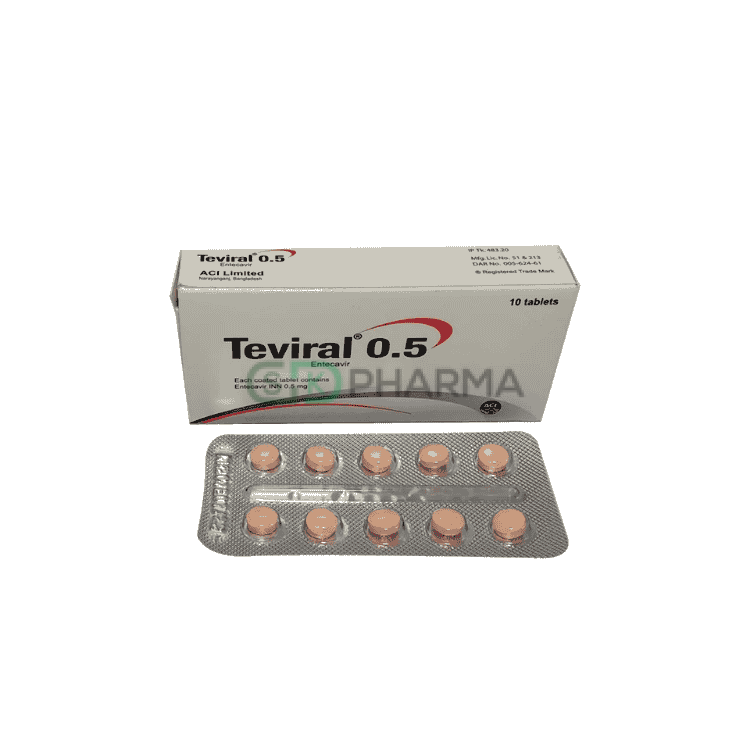
Teviral Tablet 0.5 mg (Entecavir)
Tetrazin Tablet 25 mg (Tetrabenazine)
![Hepanor Capsule 500 mg (Silymarin [Dried extract of milk thistle fruits])](https://www.skpharma.com.bd/public/uploads/all/eQUmGlKlsl8U7WyUgPUCBYmaL03n2bomTGZnD3pY.png)

Bactrobex Ointment 2% w/w (Mupirocin)
Xelopes Injection 40 mg/vial (Omeprazole)
Product Queries (0)
Login Or Registerto submit your questions to seller
Other Questions
No none asked to seller yet
-
৳18.80
৳20.00 -
৳3.33
৳3.50 -
৳5.64
৳6.00 -
৳32.90
৳35.00


