


Tezolin Tablet 200 mg (Tedizolid Phosphate)
-
 ৳5.64
৳5.64৳6.00 -
৳8.46
৳9.00 -
৳32.90
৳35.00 -
৳9.26
৳10.07



Reviews & Ratings
Tedizolid is a prodrug that is rapidly converted in vivo to its active form by endogenous phosphatases. The active tedizolid inhibits bacterial protein synthesis by binding to the 50S ribosomal subunit of susceptible Gram-positive bacteria. This binding prevents formation of the functional 70S initiation complex, thereby stopping bacterial growth.
Because tedizolid acts at a unique site of protein synthesis, cross-resistance with non-oxazolidinone antibacterial agents is unlikely. This makes tedizolid a valuable treatment option for resistant Gram-positive infections.
রেজিস্টার্ড চিকিৎসকের পরামর্শ অনুযায়ী ঔষধ সেবন করুন
Indications
Tezolin 200 mg is indicated in adults for the treatment of:
-
Acute bacterial skin and skin structure infections (ABSSSI) caused by designated susceptible Gram-positive bacteria
Dosage and Administration
Recommended dose for ABSSSI:
-
Intravenous: 200 mg once daily, administered as a 1-hour infusion, for 6 days
-
Oral: 200 mg once daily for 6 days
No dosage adjustment is required when switching between intravenous and oral therapy.
Missed dose:
If a dose is missed, it should be taken as soon as possible up to 8 hours before the next scheduled dose. If less than 8 hours remain, the missed dose should be skipped.
Drug Interactions
Oral tedizolid may increase plasma concentrations of orally administered Breast Cancer Resistance Protein (BCRP) substrates. Patients receiving concomitant BCRP substrates should be monitored for potential adverse reactions if coadministration cannot be avoided.
Contraindications
No known contraindications.
রেজিস্টার্ড চিকিৎসকের পরামর্শ অনুযায়ী ঔষধ সেবন করুন
Side Effects
The most commonly reported adverse reactions (greater than 2%) include:
-
Nausea
-
Headache
-
Diarrhea
-
Vomiting
-
Dizziness
Pregnancy and Lactation
-
Pregnancy Category C: There are no adequate and well-controlled studies in pregnant women. Tedizolid should be used during pregnancy only if the potential benefit justifies the potential risk to the fetus.
-
Lactation: Tedizolid is excreted in the milk of rats. It is unknown whether it is excreted in human breast milk. Caution should be exercised when administered to nursing mothers.
Precautions and Warnings
-
Neutropenia: Safety and efficacy have not been adequately evaluated in patients with neutrophil counts below 1000 cells/mm³. Alternative therapies should be considered.
-
Clostridium difficile-associated diarrhea: Evaluate patients if diarrhea develops during or after therapy.
-
Inappropriate use may contribute to antimicrobial resistance.
Overdose
In case of overdose, discontinue tedizolid and provide supportive treatment. Hemodialysis does not significantly remove tedizolid from systemic circulation.
Use in Special Populations
-
Pediatric use: Safety and efficacy have not been established in patients under 18 years.
-
Geriatric use: No significant differences in pharmacokinetics have been observed between elderly and younger adults.
Storage Conditions
Store tablets and injection at 20°C to 25°C. Keep out of reach of children. Prescription-only medicine.
Related Products

Mobifen Tablet 50 mg (Diclofenac Sodium)

T-Cef Pediatric Drop 25 mg/ml (Cefixime Trihydrate)

Colitrol Injection 1 mcg/ml (Calcitriol)

Evascon Tablet 30 mg (Diltiazem Hydrochloride)
Adrinor Injection 1 mg/ml (Adrenaline)
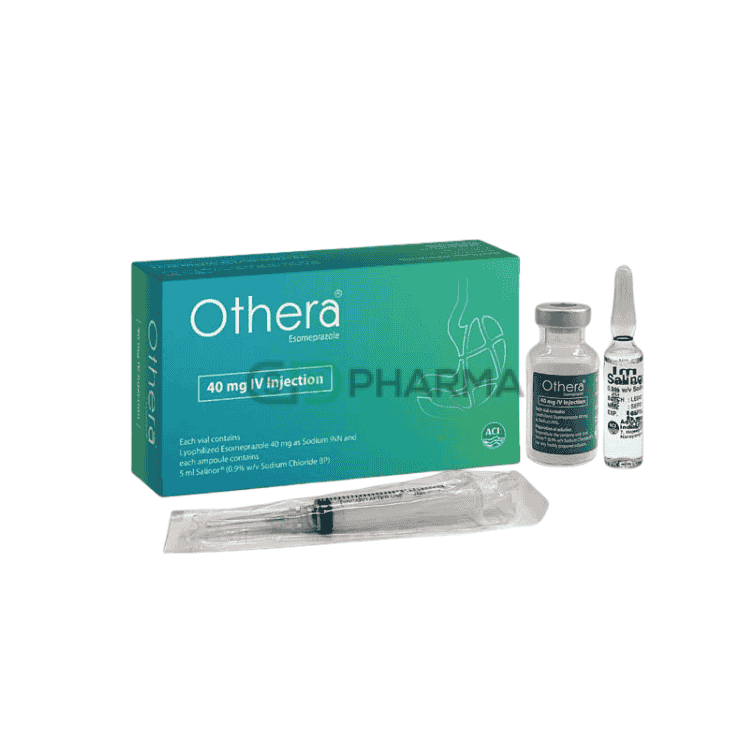
Othera Injection 40 mg/vial (Esomeprazole (MUPS preparation))

Acme's Dextrose Injection 5% (Dextrose)
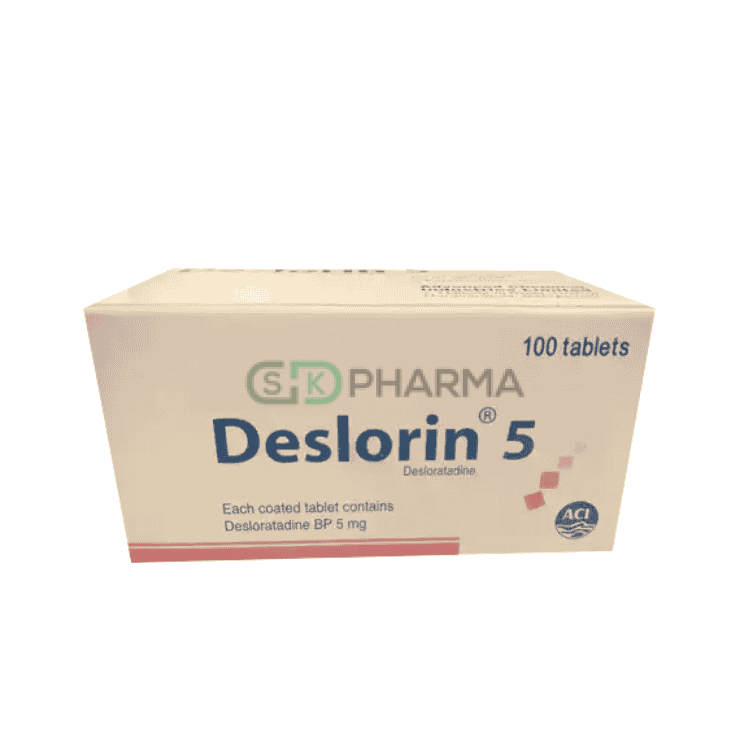
Deslorin Tablet 5 mg (Desloratadine)

Esonix Capsule 40 mg (Esomeprazole)

Arlin Tablet 600 mg (Linezolid)
Product Queries (0)
Login Or Registerto submit your questions to seller
Other Questions
No none asked to seller yet
-
৳5.64
৳6.00 -
৳8.46
৳9.00 -
৳32.90
৳35.00 -
৳9.26
৳10.07


