


Lozicum Tablet 1 mg (Lorazepam)
-
 ৳18.80
৳20.00 -
৳3.33
৳3.50 -
৳5.64
৳6.00 -
৳32.90
৳35.00
![Recur Tablet 1 mg (Finasteride [For Androgenic Alopecia])](https://www.skpharma.com.bd/public/uploads/all/mqB5zpgTubYSB0CMtn0XXhQtwBc22ia6JfYbyrMt.png)


Reviews & Ratings
Lozicum 1 mg is a short-acting benzodiazepine used for the management of a wide range of anxiety-related conditions. It is effective in controlling general anxiety, phobic and obsessional states, nervousness, restlessness, and insomnia associated with anxiety. Additionally, it is used to manage nausea and vomiting related to chemotherapy or anticonvulsants and serves as a premedicant before dental, surgical, or investigative procedures where anxiety or discomfort may occur.
রেজিস্টার্ড চিকিৎসকের পরামর্শ অনুযায়ী ঔষধ সেবন করুন
Therapeutic Class
Benzodiazepine Hypnotics, Benzodiazepine Sedatives
Indications
Lozicum 1 mg is indicated for:
-
Anxiety disorders: Generalized anxiety, phobic, obsessional, psychosomatic, organic, or psychotic-related anxiety
-
Insomnia associated with anxiety
-
Restlessness and nervousness
-
Nausea and vomiting: Related to chemotherapy or anticonvulsant therapy
-
Premedication: Prior to surgery or invasive procedures to reduce anxiety and provide sedation
Note: In children, Lozicum is generally not recommended for anxiety but may be used as premedication at 0.05 mg/kg in ages 5–13 years.
Pharmacology
Lozicum 1 mg acts as a CNS depressant by potentiating GABA (gamma-aminobutyric acid) at benzodiazepine receptors. This enhances inhibitory neurotransmission, resulting in reduced activity of the ascending activating systems, particularly serotonergic and noradrenergic pathways, leading to anxiolytic, sedative, and hypnotic effects.
Dosage and Administration
-
Oral administration: Usual daily dose ranges from 2–6 mg/day, divided into 2–3 doses. The largest dose is usually taken at bedtime. In elderly or debilitated patients, 1–2 mg/day is recommended initially.
-
Insomnia: 1–2 mg before bedtime.
-
Premedication: 1–2 mg the night before and 1–2 hours prior to surgery.
-
IV/IM use: Administer carefully for premedication or acute anxiety, with dosing adjusted per body weight and clinical response. IV doses must be diluted appropriately and infused slowly.
Benefits
-
Rapid relief of anxiety and tension
-
Improves sleep quality in anxiety-related insomnia
-
Reduces preoperative nervousness and discomfort
-
Useful in managing chemotherapy-induced nausea and vomiting
Contraindications
-
Hypersensitivity to benzodiazepines
-
Acute narrow-angle glaucoma
-
Myasthenia gravis
Side Effects
-
Sedation, dizziness, weakness, and unsteadiness (most common)
-
Less frequent: Disorientation, depression, headache, nausea, sleep disturbances, agitation, dermatologic and GI symptoms, visual disturbances
Precautions and Warnings
-
Monitor for suicidal ideation in patients with depression
-
Use caution in elderly, debilitated, or patients with impaired renal/hepatic function
-
Avoid prolonged use and monitor for upper GI disease
-
Avoid operating machinery while taking the medication
Drug Interactions
-
May potentiate CNS depressants such as alcohol, general anesthetics, tricyclic antidepressants, and MAO inhibitors
Overdose
Symptoms of overdose include drowsiness, confusion, lethargy, ataxia, hypotonia, hypotension, and in severe cases, coma. Supportive care and monitoring are recommended.
Pregnancy and Lactation
Safety in pregnancy has not been established; use is generally avoided. It is unknown whether the drug is excreted in human milk; breastfeeding should be avoided during treatment.
Storage
Store at 20–25°C in a cool, dry place, protected from light. Keep out of reach of children.
Related Products

Neuriva Capsule 120 mg (Ginkgo Biloba)

Fosfa Injection 2 gm/vial (Ifosfamide)
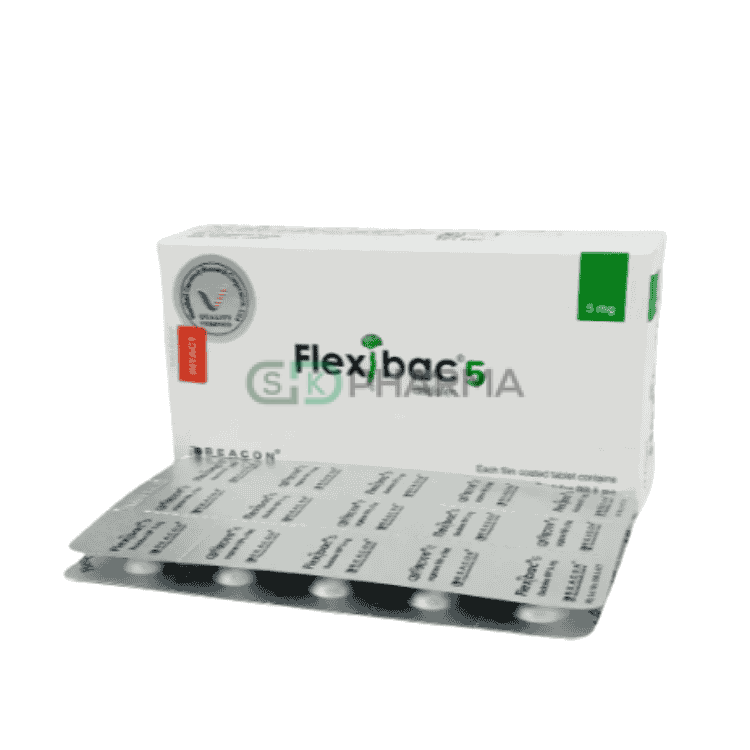
Flexibac Tablet 5 mg (Baclofen)
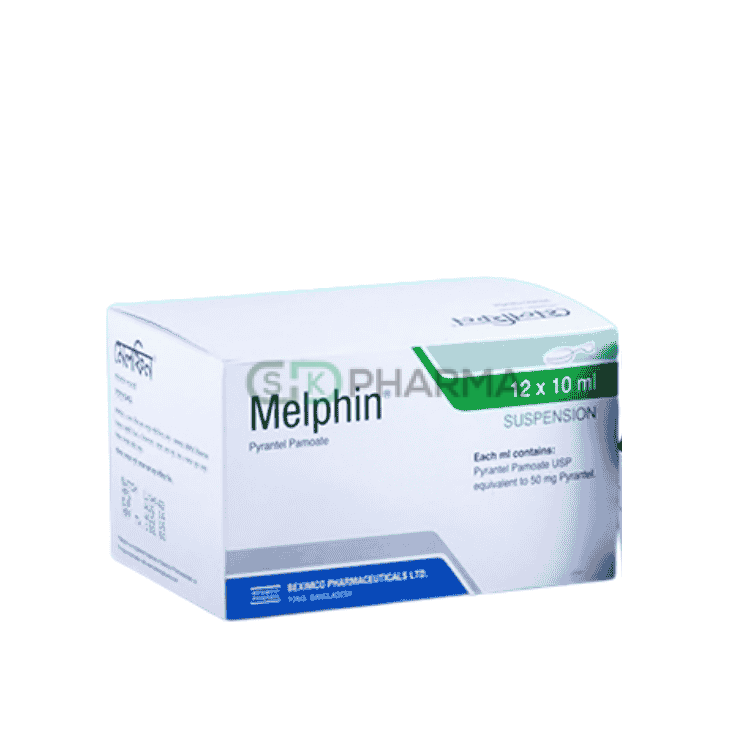
Melphin Tablet 125 mg (Pyrantel Pamoate)

Acicaft Ophthalmic Solution 0.25% (Alcaftadine)

Product Queries (0)
Login Or Registerto submit your questions to seller
Other Questions
No none asked to seller yet
-
৳18.80
৳20.00 -
৳3.33
৳3.50 -
৳5.64
৳6.00 -
৳32.90
৳35.00


