


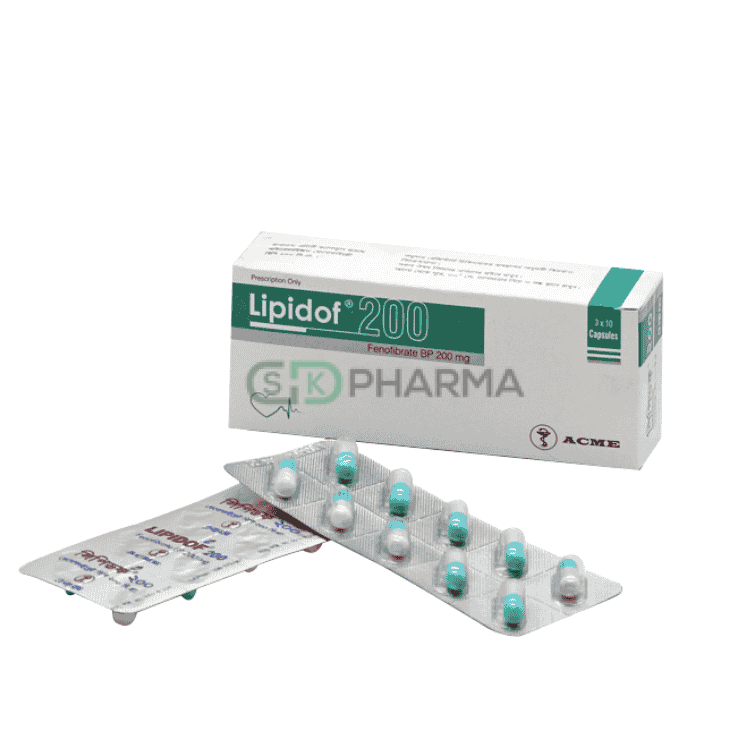
Lipidof Capsule 200 mg (Fenofibrate)
-
 ৳5.64
৳5.64৳6.00 -
৳8.46
৳9.00 -
৳32.90
৳35.00 -
৳9.26
৳10.07


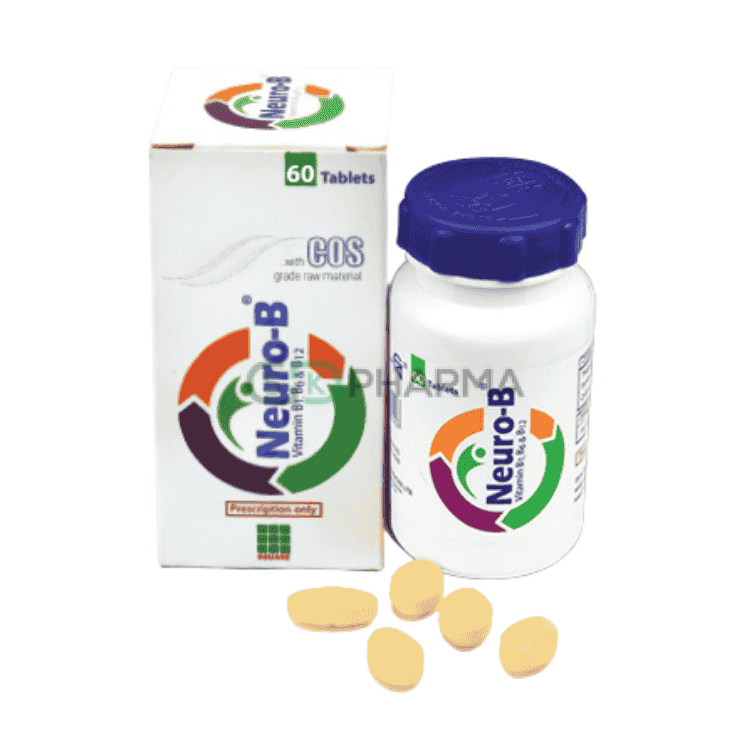
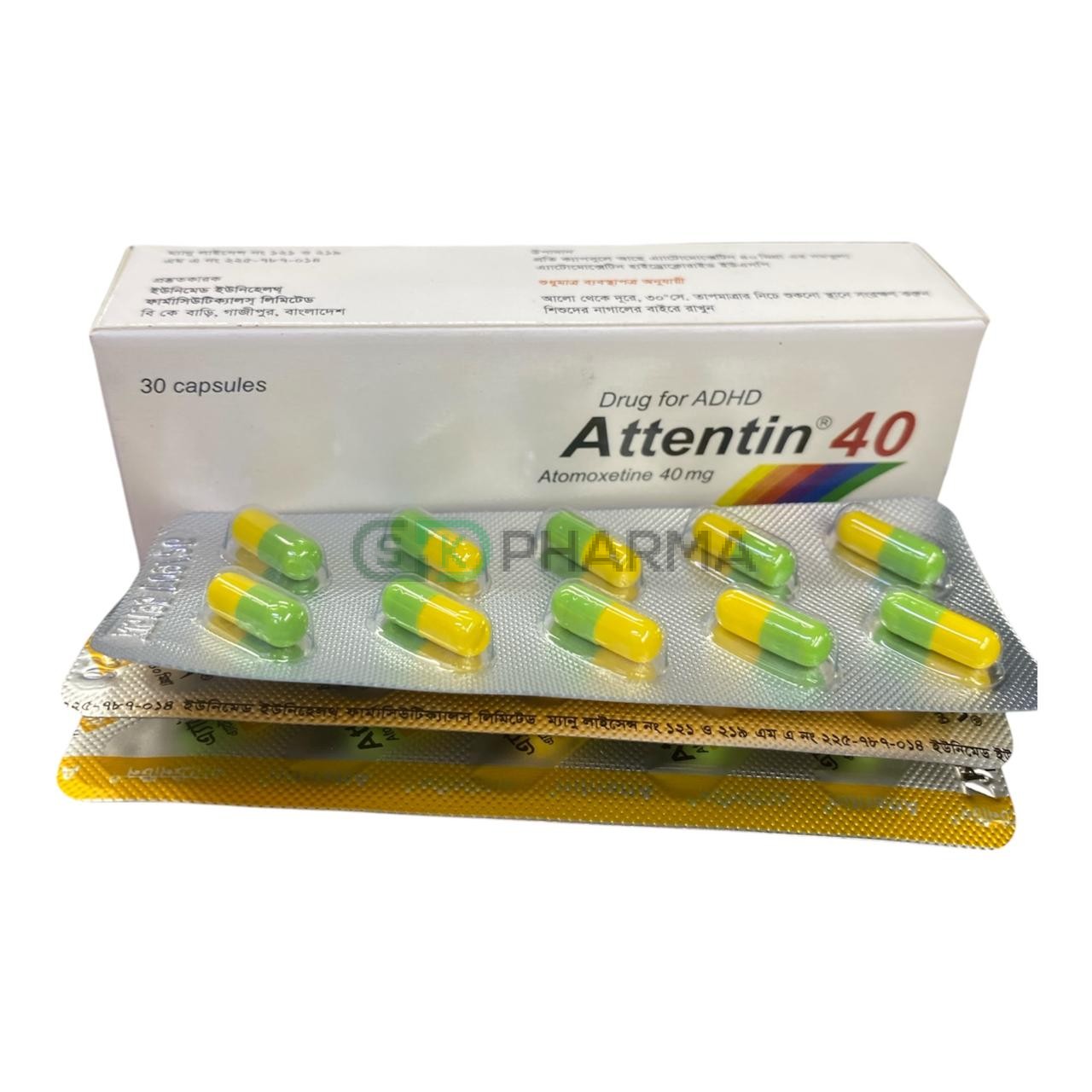

Reviews & Ratings
Lipidof 200 mg is a potent lipid-lowering medication belonging to the fibrate class, designed to manage various types of hyperlipidemia, including type IIa, IIb, III, IV, and V, especially in patients who have not responded adequately to dietary measures and other therapies. Its active component, fenofibric acid, is a fibric acid derivative that works by modulating lipid metabolism to lower triglycerides, reduce LDL cholesterol, and increase HDL cholesterol.
Lipidof 200 mg is a prodrug administered orally as a 200 mg capsule, which is rapidly converted to fenofibric acid after ingestion. By targeting multiple lipid pathways, Lipidof helps reduce atherogenic lipoproteins, improving cardiovascular health while also lowering serum uric acid levels in hyperuricemic individuals.
রেজিস্টার্ড চিকিৎসকের পরামর্শ অনুযায়ী ঔষধ সেবন করুন
Therapeutic Class
Fibrates – Lipid-Lowering Agent
Indications
Lipidof 200 mg is indicated for the treatment of:
-
Hyperlipidemia: Types IIa, IIb, III, IV, and V
-
Patients unresponsive to diet and lifestyle modifications
-
Mixed hyperlipidemia where triglycerides and LDL cholesterol are elevated
-
As part of a comprehensive approach to cardiovascular risk reduction in high-risk patients
Before starting Lipidof 200 mg, patients should maintain a triglyceride-lowering diet and continue it during therapy to maximize effectiveness.
Pharmacology
Mechanism of Action:
-
Lipidof 200 mg is rapidly hydrolyzed to fenofibric acid, the active form
-
Activates peroxisome proliferator-activated receptor alpha (PPARα)
-
Increases lipoprotein lipase activity, enhancing triglyceride breakdown
-
Reduces apolipoprotein CIII, a natural inhibitor of lipoprotein lipase
-
-
Converts small, dense LDL particles into larger, less atherogenic particles
-
Increases HDL cholesterol by raising apolipoproteins AI and AII
-
Reduces serum uric acid by increasing urinary excretion
Clinical Effects:
-
Lowers triglycerides, total cholesterol, VLDL, and LDL cholesterol
-
Raises HDL cholesterol
-
Improves overall lipid profile and cardiovascular risk
Dosage and Administration
-
Adults: 1 capsule (200 mg) once daily with meals to optimize absorption
-
Dosage should be individualized based on patient response, with follow-up lipid testing every 4–8 weeks
-
For hypertriglyceridemia, doses may range from 67–200 mg daily based on severity
-
Continue dietary and lifestyle interventions while on treatment
Drug Interactions
-
May potentiate the effects of warfarin; monitor INR
-
May improve glucose tolerance when used with antidiabetic medications
-
Caution with HMG-CoA reductase inhibitors due to increased risk of rhabdomyolysis
-
May increase nephrotoxicity of cyclosporine
Contraindications
-
Hypersensitivity to fenofibric acid or fibrates
-
Severe renal or hepatic impairment
-
Existing gallbladder disease
-
Nursing mothers
-
Photosensitivity to ketoprofen
Possible Side Effects
-
Gastrointestinal: nausea, anorexia, gastric pain
-
Skin: pruritus, urticaria
-
Nervous system: headache, dizziness, vertigo
-
Musculoskeletal: myotoxicity
-
Other: fatigue, hair loss, impotence
Pregnancy & Lactation
-
Pregnancy Category C: Use only if benefits outweigh risks
-
Not recommended for breastfeeding due to potential tumorigenicity observed in animals
Precautions
-
Monitor renal function, especially in elderly or those with pre-existing renal disease
-
Liver function tests recommended every 3 months during the first year of therapy
-
Discontinue if signs of myotoxicity or elevated creatinine kinase levels are observed
Overdose
-
No specific antidote; supportive care and monitoring of vital signs recommended
-
Hemodialysis is ineffective due to high plasma protein binding
Storage
Store below 30°C in a dry place, protected from light. Keep out of reach of children.
Related Products
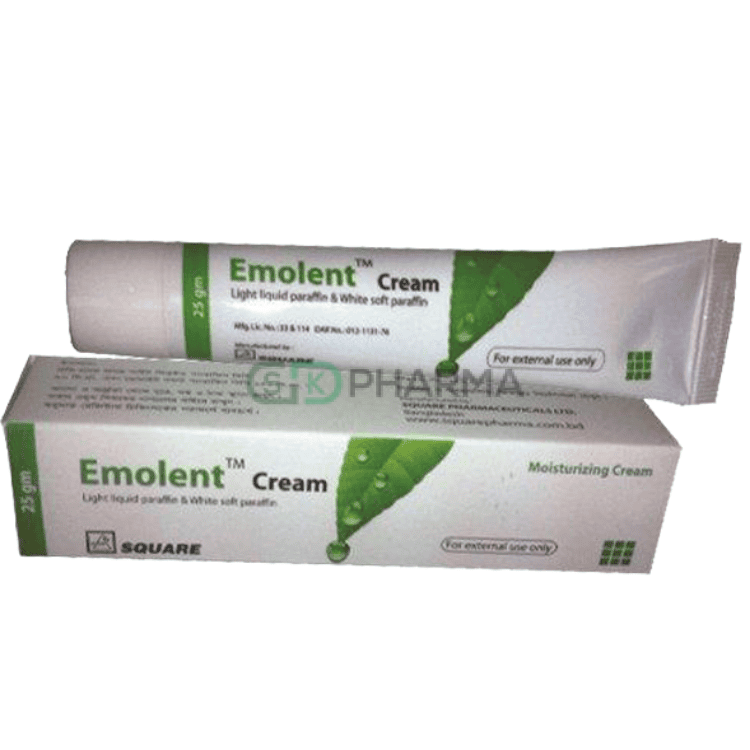
Emolent Cream 15%+6% (White Soft Paraffin + Liquid Paraffin)
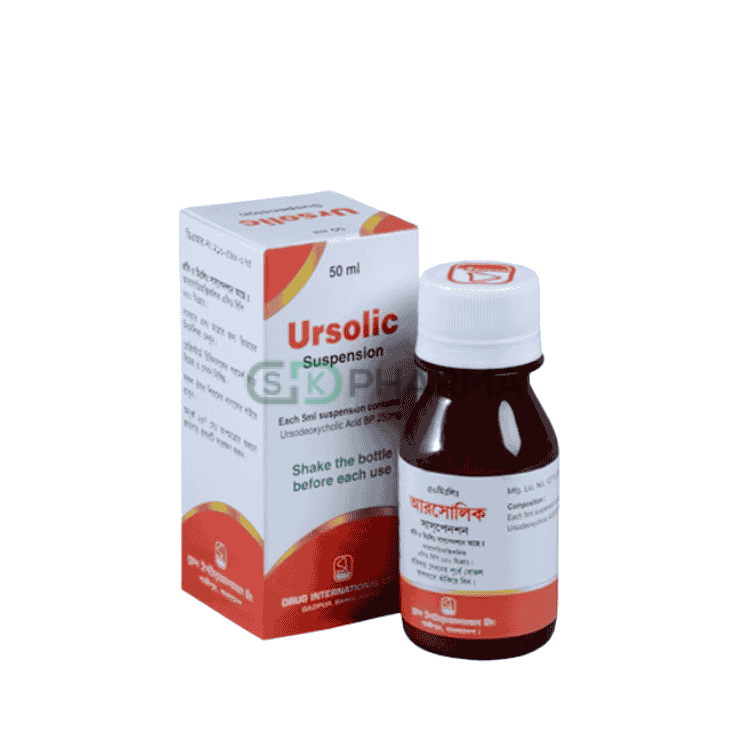
Ursolic Suspension 250 mg/5 ml (Ursodeoxycholic Acid)

Alfane Capsule 300 mg (Alpha Lipoic Acid)
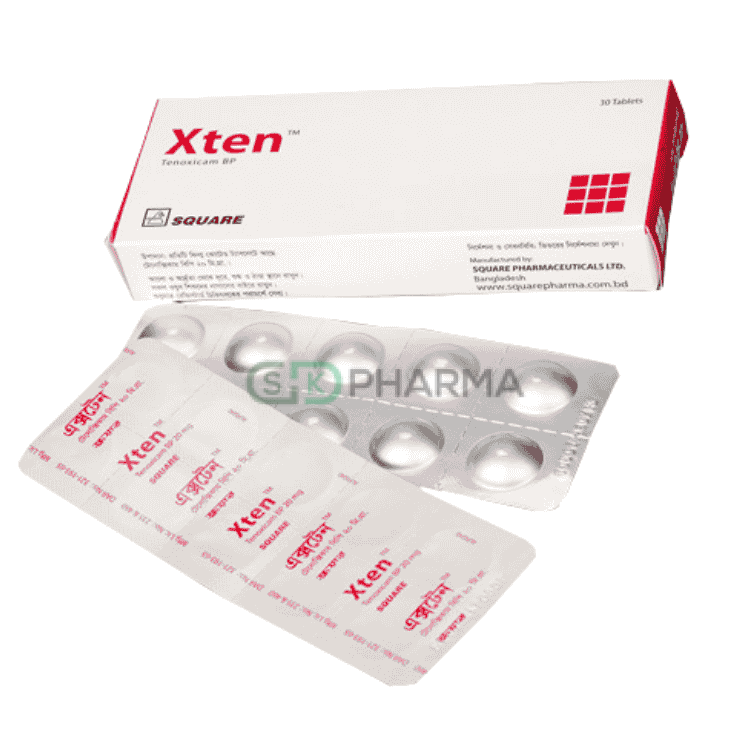
Xten Tablet 20 mg (Tenoxicam)
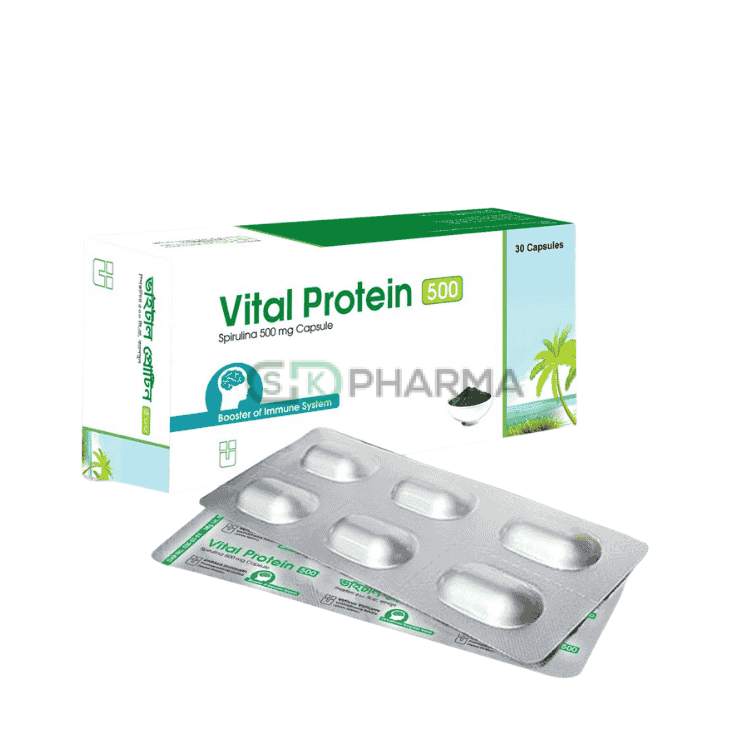
Vital Protein Capsule 500 mg (Spirulina)
Vitachild Syrup (Multivitamin & Multimineral)

Butacit Syrup 7.5 mg/5 ml (Butamirate Citrate)

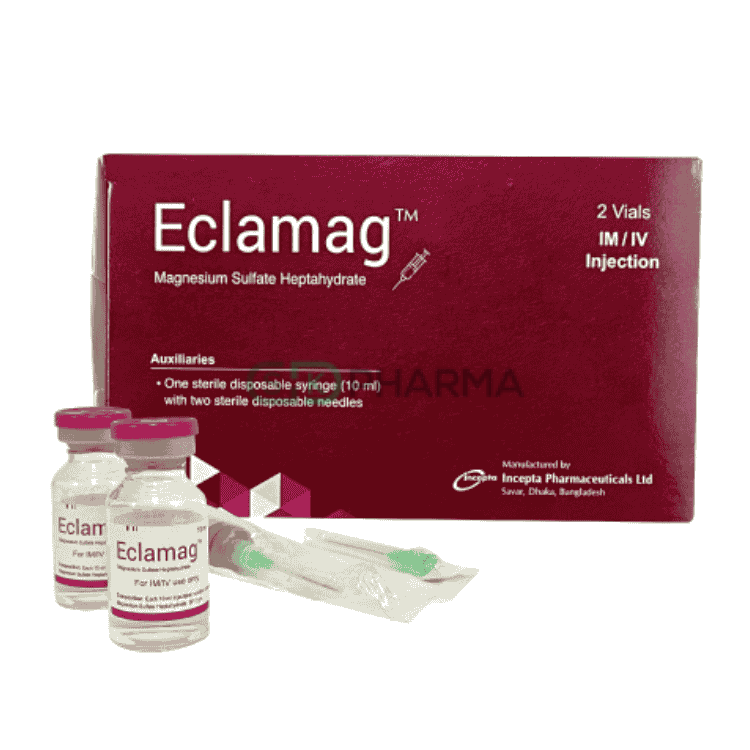
Eclamag Injection 2.5 gm/5 ml (Magnesium Sulfate)
Remicade Injection 100 mg/20 ml (Infliximab)
Product Queries (0)
Login Or Registerto submit your questions to seller
Other Questions
No none asked to seller yet
-
৳5.64
৳6.00 -
৳8.46
৳9.00 -
৳32.90
৳35.00 -
৳9.26
৳10.07


