


Larocent Capsule 25 mg (Larotrectinib)
-
 ৳18.80
৳20.00 -
৳3.33
৳3.50 -
৳5.64
৳6.00 -
৳8.46
৳9.00
![Recur Tablet 1 mg (Finasteride [For Androgenic Alopecia])](https://www.skpharma.com.bd/public/uploads/all/mqB5zpgTubYSB0CMtn0XXhQtwBc22ia6JfYbyrMt.png)


Reviews & Ratings
Larocent Capsule 25 mg contains Larotrectinib, a highly selective targeted anticancer therapy designed for the treatment of solid tumors that harbor neurotrophic tyrosine receptor kinase (NTRK) gene fusions. Unlike traditional chemotherapy, Larocent works by specifically targeting the genetic driver of cancer growth, regardless of the tumor’s site of origin. This tumor-agnostic approach makes Larocent a significant advancement in precision oncology for both adult and pediatric patients.
রেজিস্টার্ড চিকিৎসকের পরামর্শ অনুযায়ী ঔষধ সেবন করুন
Therapeutic Class
Targeted Anticancer Therapy
Tyrosine Kinase Inhibitor (TRK Inhibitor)
Indications
Larocent Capsule 25 mg is indicated for the treatment of:
-
Adult and pediatric patients with solid tumors that have an NTRK gene fusion, as detected by a validated diagnostic test
-
Patients with metastatic disease, or where surgical resection is likely to result in severe morbidity
-
Patients whose disease has progressed following prior treatment or who have no satisfactory alternative treatment options
Larocent is approved for use across multiple cancer types, including lung cancer, thyroid cancer, sarcomas, and other rare solid tumors, provided an NTRK fusion is present.
Pharmacology
Larotrectinib is a potent and highly selective inhibitor of TRK proteins (TRKA, TRKB, and TRKC). NTRK gene fusions lead to the production of constitutively active TRK fusion proteins that drive uncontrolled cell proliferation and tumor survival. Larocent blocks TRK signaling pathways by inhibiting kinase activity, resulting in reduced tumor cell growth and induction of apoptosis.
Larotrectinib demonstrates rapid oral absorption and achieves systemic exposure sufficient to inhibit TRK-driven signaling. It is extensively metabolized in the liver, primarily via the CYP3A4 enzyme system.
Dosage & Administration
Dosage is individualized based on body surface area (BSA), age, and clinical response.
Adults:
-
Recommended dose: 100 mg orally twice daily
Pediatric Patients:
-
Recommended dose: 100 mg/m² orally twice daily (up to a maximum of 100 mg twice daily)
Larocent capsules should be swallowed whole with water and may be taken with or without food. Treatment should continue until disease progression or unacceptable toxicity occurs.
Dose modifications may be required in patients experiencing adverse reactions or those receiving strong CYP3A inhibitors.
Drug Interactions
-
Strong CYP3A inhibitors or inducers may significantly alter Larotrectinib plasma concentrations
-
Caution is advised when co-administered with medications affecting hepatic metabolism
-
Dose adjustment may be necessary when used with certain antifungals, antivirals, or anticonvulsants
Contraindications
-
Known hypersensitivity to Larotrectinib or any component of the formulation
Side Effects
Larocent Capsule 25 mg is generally well tolerated. Common adverse reactions include:
-
Fatigue
-
Dizziness
-
Nausea and vomiting
-
Anemia
-
Increased liver enzymes
-
Constipation or diarrhea
Most side effects are mild to moderate and manageable with supportive care or dose adjustment.
Precautions & Warnings
-
Monitor liver function tests regularly during treatment
-
Use caution in patients with hepatic impairment
-
Neurological effects such as dizziness may affect the ability to drive or operate machinery
-
Long-term safety data are limited; continuous monitoring is recommended
Pregnancy & Lactation
-
Pregnancy: May cause fetal harm based on mechanism of action. Effective contraception is recommended during treatment and for a specified period after discontinuation
-
Lactation: Breastfeeding is not recommended during treatment and for at least one week after the final dose
Storage Conditions
-
Store below 30°C
-
Protect from light and moisture
-
Keep out of reach of children
Mode of Action
Larocent selectively inhibits TRK fusion proteins by binding to their kinase domain, preventing downstream signaling pathways responsible for tumor cell growth and survival. This targeted mechanism allows effective tumor control with reduced off-target toxicity compared to conventional chemotherapy.
Related Products

Cora-D Tablet 500 mg+200 IU (Coral Calcium + Vitamin D3)

Mebolin Tablet 50 mg (Mebhydrolin Napadisylate)
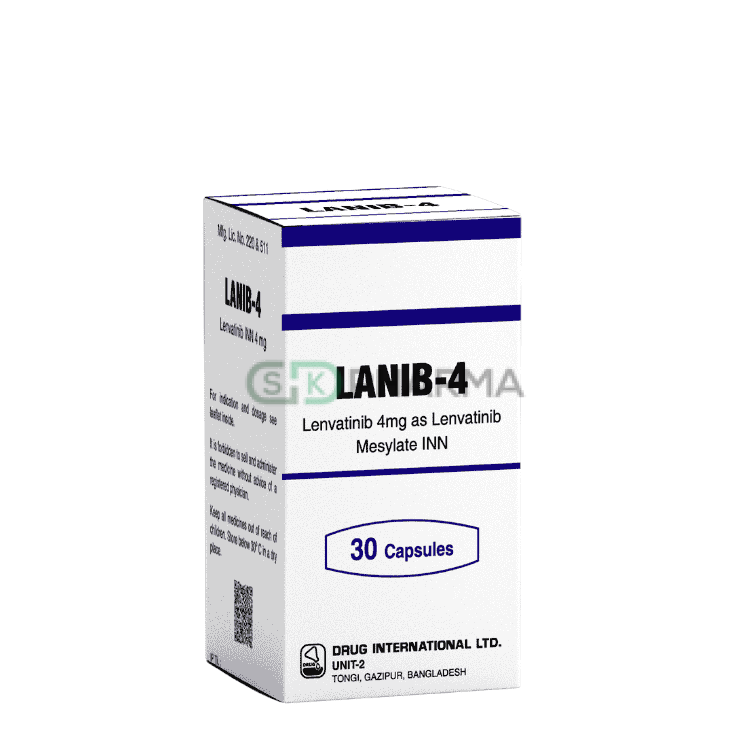
Lanib Capsule 4 mg (Lenvatinib Mesylate)

UniHaler Inhaler (Inhaler device)
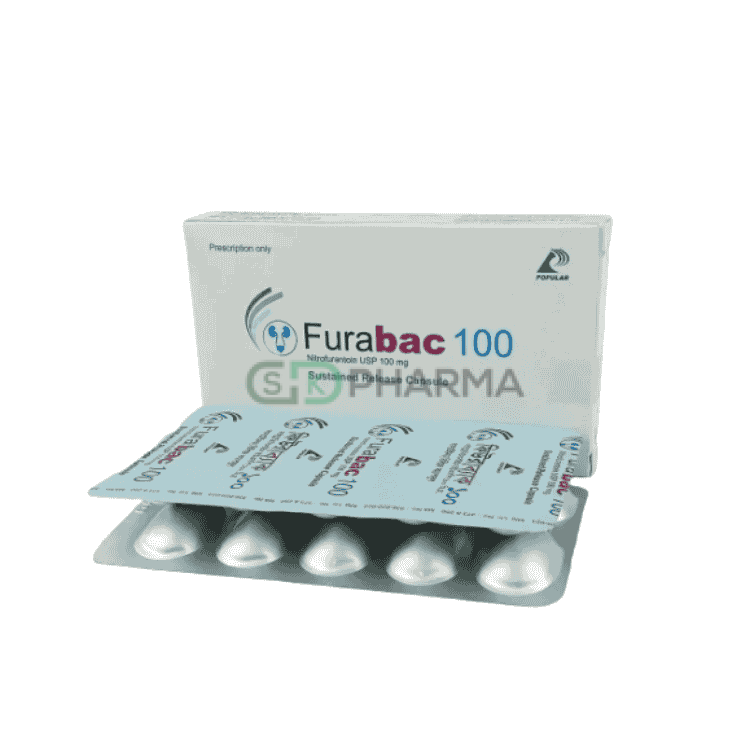
Furabac Capsule 100 mg (Nitrofurantoin)
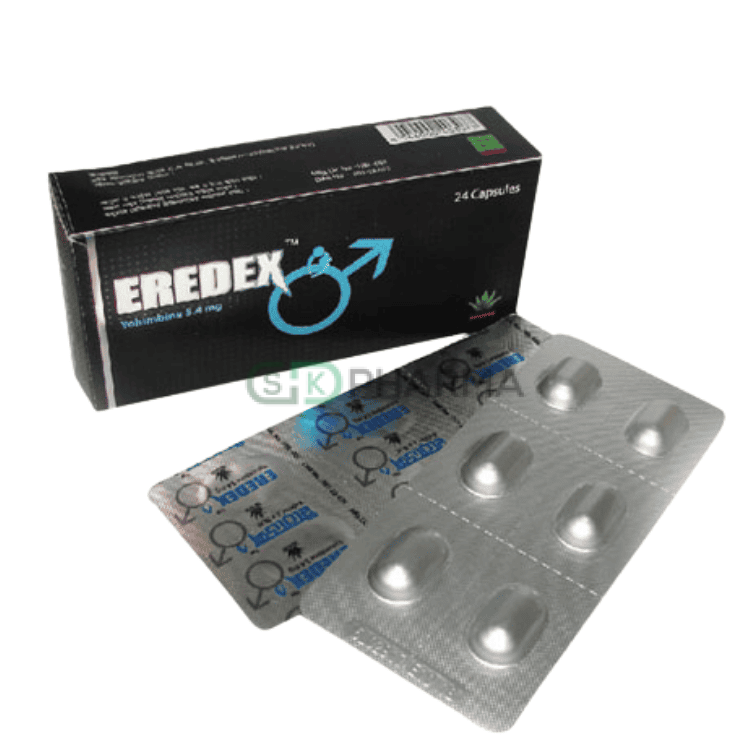
Eredex Capsule 5.4 mg (Yohimbine Hydrochloride)

Deprex Tablet 5 mg (Olanzapine)

Daomin Tablet 500 mg (Metformin Hydrochloride)
Product Queries (0)
Login Or Registerto submit your questions to seller
Other Questions
No none asked to seller yet
-
৳18.80
৳20.00 -
৳3.33
৳3.50 -
৳5.64
৳6.00 -
৳8.46
৳9.00


