


Hepa-B Injection 10 mcg/0.5 ml (Hepatitis B Vaccine [rDNA])
-
 ৳18.80
৳20.00 -
৳3.33
৳3.50 -
৳5.64
৳6.00 -
৳32.90
৳35.00
![Recur Tablet 1 mg (Finasteride [For Androgenic Alopecia])](https://www.skpharma.com.bd/public/uploads/all/mqB5zpgTubYSB0CMtn0XXhQtwBc22ia6JfYbyrMt.png)


Reviews & Ratings
Hepa-B Injection 10 mcg/0.5 ml is a recombinant DNA (rDNA) hepatitis B vaccine designed to provide active immunization against hepatitis B virus (HBV) infection. This vaccine stimulates the body’s immune system to produce protective antibodies against the hepatitis B surface antigen (HBsAg), helping prevent acute and chronic hepatitis B infection, including liver cirrhosis and hepatocellular carcinoma. Hepa-B Injection is suitable for individuals of all ages and is an essential part of routine immunization programs worldwide.
রেজিস্টার্ড চিকিৎসকের পরামর্শ অনুযায়ী ঔষধ সেবন করুন
Indications
Hepa-B Injection 10 mcg/0.5 ml is indicated for:
-
Active immunization against hepatitis B virus infection in individuals from birth onwards
-
Prevention of hepatitis B virus-related liver disease, including acute and chronic hepatitis, cirrhosis, and hepatocellular carcinoma
-
Post-exposure prophylaxis when combined with hepatitis B immunoglobulin (HBIG) for individuals exposed to HBV
-
Recommended for high-risk populations, including healthcare workers, dialysis patients, immunocompromised individuals, and those with frequent exposure to blood or body fluids
The vaccine is part of routine childhood immunization schedules and is also recommended for adults who have not previously been immunized or lack immunity.
Therapeutic Class
-
Vaccine (Immunization against viral infection)
Pharmacology
Hepa-B Injection contains recombinant hepatitis B surface antigen (HBsAg) produced in yeast cells using DNA technology. The antigen is non-infectious and cannot cause hepatitis B infection. Once administered, the immune system recognizes HBsAg as foreign and produces specific antibodies (anti-HBs). These antibodies confer protective immunity, typically achieving seroprotection within 1–2 months after completion of the primary series.
The vaccine induces both humoral and cellular immune responses, ensuring long-term protection. Booster doses may be recommended for individuals with compromised immune systems or waning antibody levels.
Dosage and Administration
-
Recommended dose: 10 mcg/0.5 ml per injection
-
Route: Intramuscular injection, preferably in the deltoid muscle for adults and older children, and in the anterolateral thigh for infants
-
Schedule: Standard immunization typically involves 3 doses:
-
1st dose: at chosen start date
-
2nd dose: 1 month after the first dose
-
3rd dose: 6 months after the first dose
-
Alternative accelerated schedules may be used for specific clinical situations or high-risk exposure.
Administration instructions:
-
Shake the vial gently before use
-
Inspect the vaccine visually; do not use if discolored or contains particulate matter
-
Administer using a sterile syringe and needle, following standard aseptic techniques
Drug Interactions
-
May be co-administered with other routine vaccines (e.g., DTP, polio, Hib) at separate injection sites
-
Immunosuppressive therapy may reduce vaccine response; antibody levels should be monitored
Contraindications
-
Known hypersensitivity to any component of the vaccine, including yeast
-
Severe acute illness with or without fever (vaccination may be postponed until recovery)
Side Effects
Hepa-B Injection is generally well-tolerated. Common side effects include:
-
Local reactions: pain, redness, or swelling at the injection site
-
Systemic reactions: mild fever, fatigue, headache, or malaise
-
Rare: allergic reactions such as rash or urticaria
Pregnancy and Lactation
-
Can be safely administered during pregnancy and lactation when indicated, as it is a non-live vaccine
-
Provides protection for both mother and newborn
Precautions and Warnings
-
Monitor for allergic reactions after administration
-
Maintain proper storage and handling to preserve vaccine efficacy
-
Follow recommended immunization schedules for optimal protection
Storage Conditions
-
Store at 2°C to 8°C in a refrigerator
-
Do not freeze
-
Protect from light and use the vaccine before the expiration date
-
Keep out of reach of children.
Related Products

Tergocin Injection 200 mg/vial (Teicoplanin)
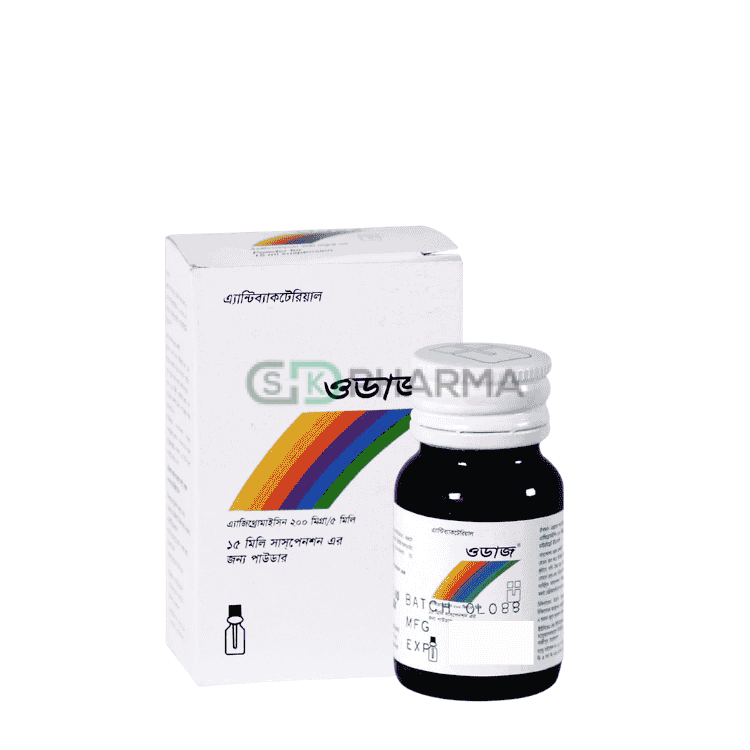
Odaz Suspension 200 mg/5 ml (Azithromycin Dihydrate)

Odrel Plus Tablet 75 mg+75 mg (Clopidogrel + Aspirin)
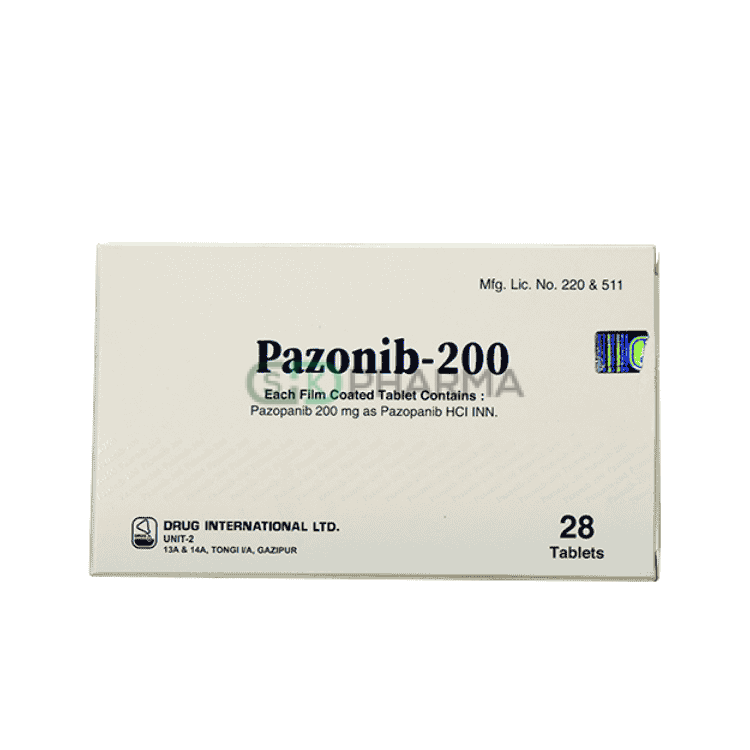
Pazonib Tablet 200 mg (Pazopanib Hydrochloride)

Nabuflex Tablet 500 mg (Nabumetone)
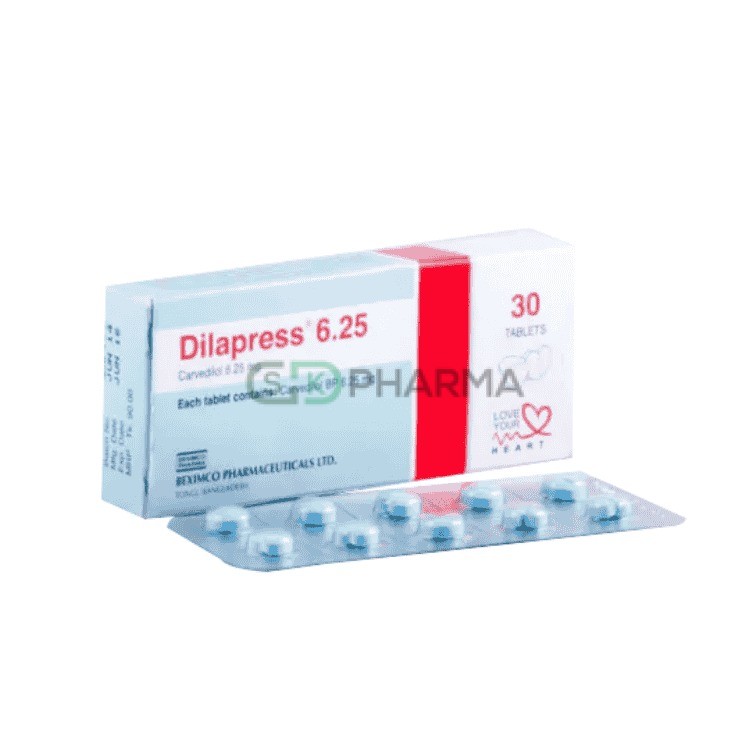
Dilapress Tablet 6.25 mg (Carvedilol)

Gabatin Tablet 300 mg (Gabapentin)
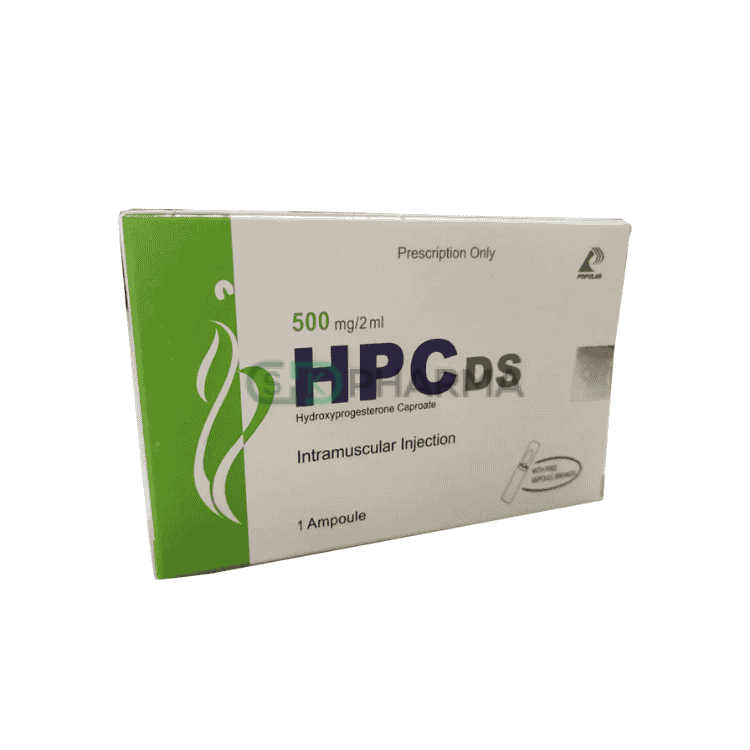
HPC DS Injection 500 mg/2 ml (Hydroxyprogesterone Caproate)
Product Queries (0)
Login Or Registerto submit your questions to seller
Other Questions
No none asked to seller yet
-
৳18.80
৳20.00 -
৳3.33
৳3.50 -
৳5.64
৳6.00 -
৳32.90
৳35.00


