


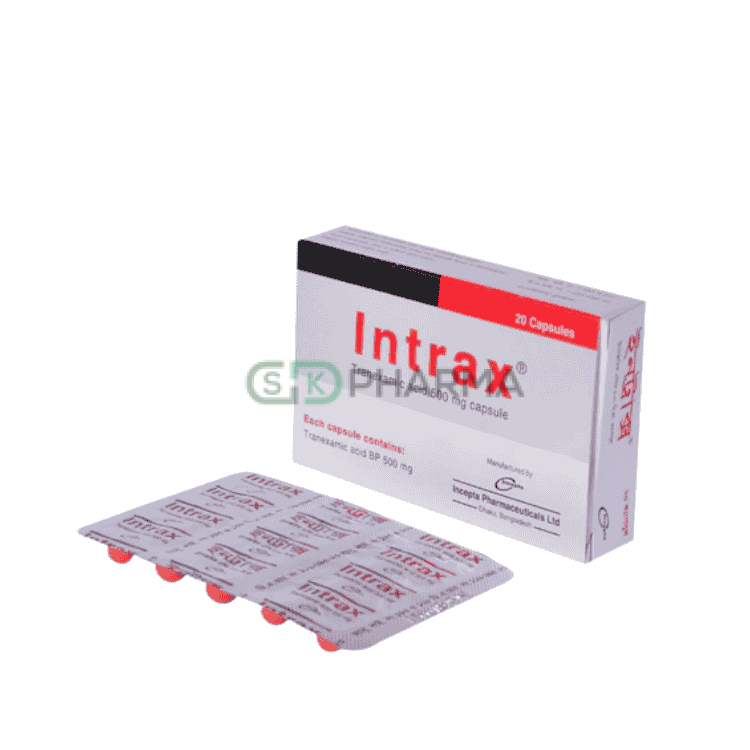
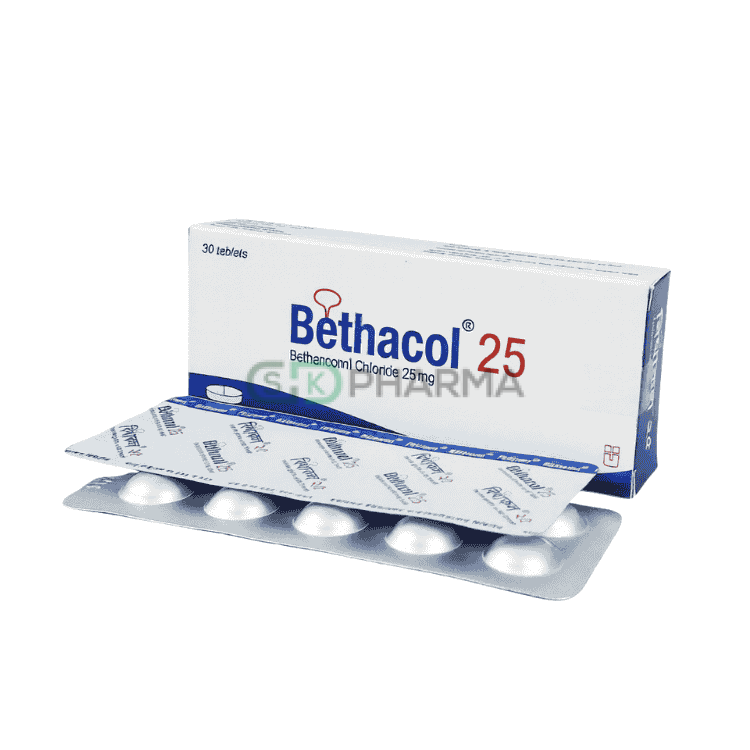
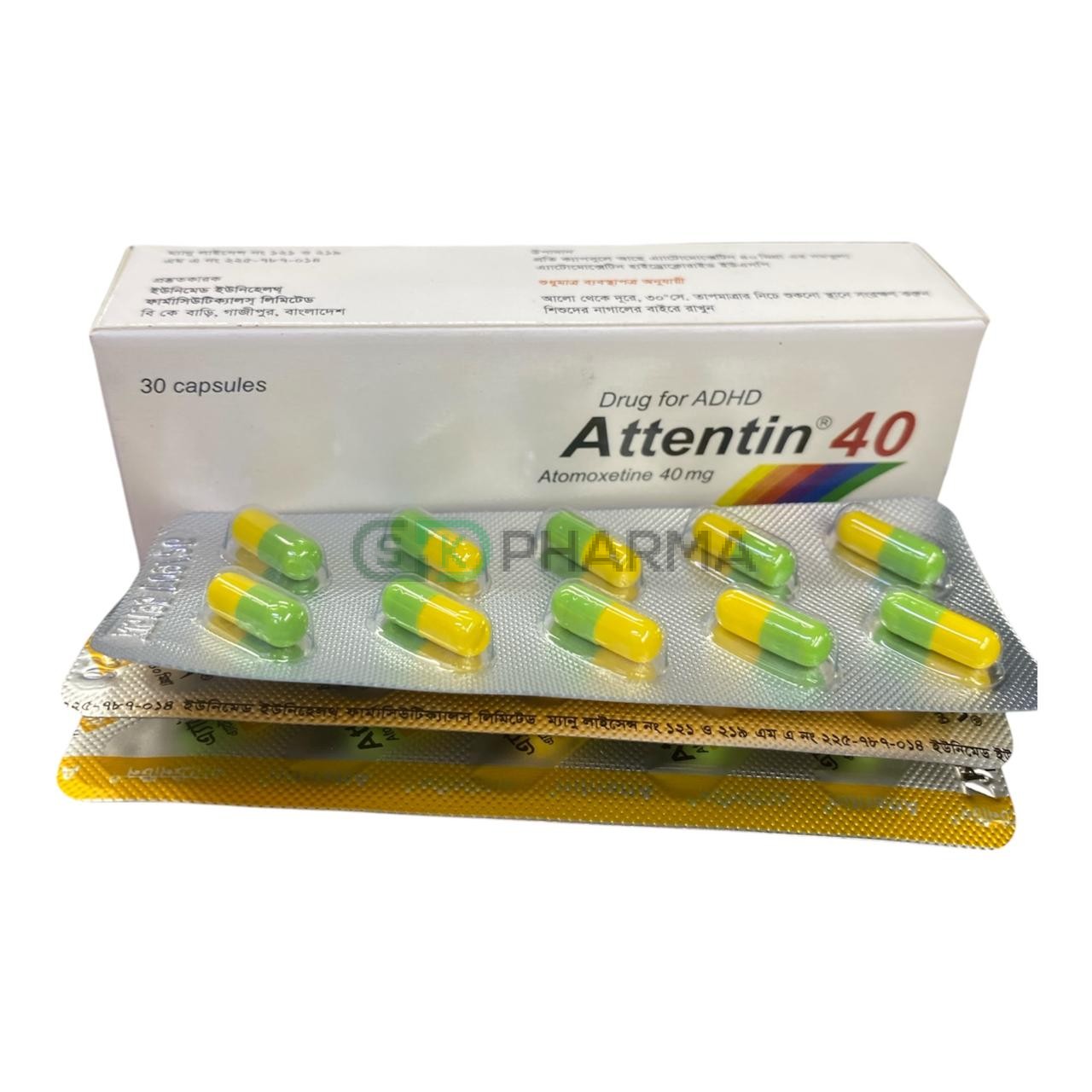
Intrax Capsule 500 mg (Tranexamic Acid)
-
 ৳18.80
৳20.00 -
৳3.33
৳3.50 -
৳5.64
৳6.00 -
৳32.90
৳35.00
![Recur Tablet 1 mg (Finasteride [For Androgenic Alopecia])](https://www.skpharma.com.bd/public/uploads/all/mqB5zpgTubYSB0CMtn0XXhQtwBc22ia6JfYbyrMt.png)


Reviews & Ratings
Intrax 500 mg contains Tranexamic Acid, a potent antifibrinolytic and hemostatic agent used to prevent and control excessive bleeding. It is widely employed in medicine, surgery, obstetrics, urology, otorhinolaryngology, stomatology, and as supportive therapy in oncology. By inhibiting the breakdown of fibrin clots, Intrax 500 mg helps maintain hemostasis and reduces the risk of hemorrhagic complications.
রেজিস্টার্ড চিকিৎসকের পরামর্শ অনুযায়ী ঔষধ সেবন করুন
Therapeutic Class
-
Anti-fibrinolytic drugs
-
Haemostatic drugs
Composition
-
Tranexamic Acid 500 mg per tablet or ampoule
Indications
Medical Use:
-
Prophylaxis and treatment of hemorrhages in conditions such as:
-
Hemophtoes (coughing up blood)
-
Digestive tract bleeding
-
Leukemia, cirrhosis, and hemophilia-related hemorrhagic syndromes
-
Thrombocytopenic purpura
-
Bleeding during thrombolytic therapy or transfusion
-
Surgical Use:
-
Prevention and control of bleeding during operations, especially pulmonary, cardiovascular, abdominal, and orthopedic surgeries
-
Post-operative and traumatic shock management
Urological Use:
-
Prophylaxis and treatment during prostatic, vesical, and renal surgeries
-
Management of hematuria
Obstetrics and Gynecology:
-
Management of post-partum and puerperium hemorrhages
-
Functional menometrorrhagia, idiopathic or IUD-induced menorrhagia
-
Treatment of primitive hyperfibrinolysis (e.g., abruptio placentae)
-
Post-cervical conization
ENT (Otorhinolaryngology):
-
Prophylaxis during tonsillectomy, epistaxis, and other specialist surgeries
Stomatology:
-
Prevention and treatment of bleeding during maxillofacial surgery and tooth extractions
Oncology (Supportive Therapy):
-
Promotes fibrin capsule formation around tumors
-
Reduces ascites secondary to carcinoma
-
Minimizes bleeding during oncologic surgeries
Pharmacology
Tranexamic acid is a synthetic amino acid derivative that inhibits plasminogen activation, preventing the conversion to plasmin, which degrades fibrin clots. It also directly inhibits plasmin at higher doses. Rapidly absorbed via the gastrointestinal tract, maximum serum levels are reached within 2–3 hours, and 40–45% is excreted in urine within 24 hours.
Its antifibrinolytic action ensures effective clot stabilization without interfering with normal coagulation pathways.
Dosage and Administration
Adults:
-
Oral: 500–1000 mg 3 times daily
-
Intravenous: 1–1.5 g slow IV injection (1 ml/min) 2–3 times daily
-
Surgical prophylaxis: Begin 24 hours before operation and continue 3–4 days post-surgery
-
Specific regimens vary by indication (e.g., menorrhagia, hematuria, epistaxis, dental surgery)
Children:
-
Oral prophylaxis: 5–10 mg/kg daily in divided doses
-
Oral therapy: 10–20 mg/kg daily
-
IV/IM: 10 mg/kg slow intravenous injection, continued with oral therapy
Elderly:
-
No dosage reduction unless renal impairment is present
Drug Interactions
-
Incompatible with penicillin-containing solutions
-
Thrombolytic drugs (streptokinase, urokinase) reduce effectiveness
-
Estrogen-containing drugs may increase thrombus risk
-
Avoid direct admixture with whole blood during transfusions
Contraindications
-
Hypersensitivity to tranexamic acid
-
Thromboembolic disease, arterial/venous thrombosis
-
Serious renal failure
-
Endocavitary hemorrhages
Side Effects
-
Generally well tolerated
-
Rare: fatigue, conjunctival irritation, nasal blockage, itching, skin reddening, nausea, diarrhea, gastric pyrosis, postural hypotension
-
Hypersensitivity reactions require discontinuation and suitable therapy
Precautions and Warnings
-
Use with caution in renal impairment, cardiovascular, and hepatic disease
-
Adjust doses in hematuria to prevent urinary tract clot formation
-
Prophylactic therapy should start 24 hours pre-surgery and continue 24 hours post-hemorrhage resolution
Pregnancy and Lactation
-
Crosses placenta; limited clinical data in pregnancy
-
Passes into breast milk at low concentrations; unlikely to affect infant at therapeutic doses
-
Avoid use in known or suspected pregnancy unless benefit outweighs risk
Storage Conditions
-
Store in a dry place at 15–30°C
-
Protect from light and moisture
-
Keep out of reach of children
Related Products
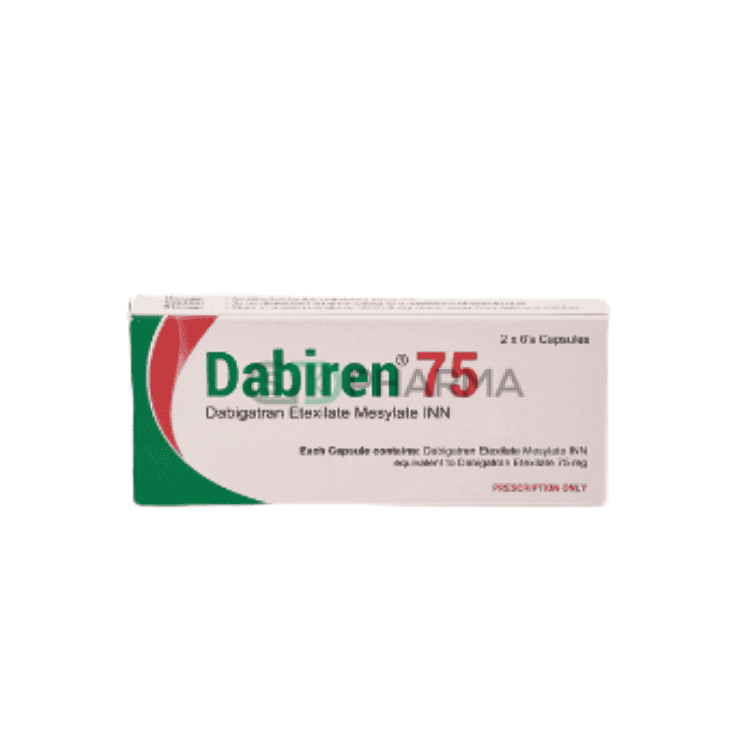
Dabiren Capsule 75 mg (Dabigatran Etexilate Mesylate)
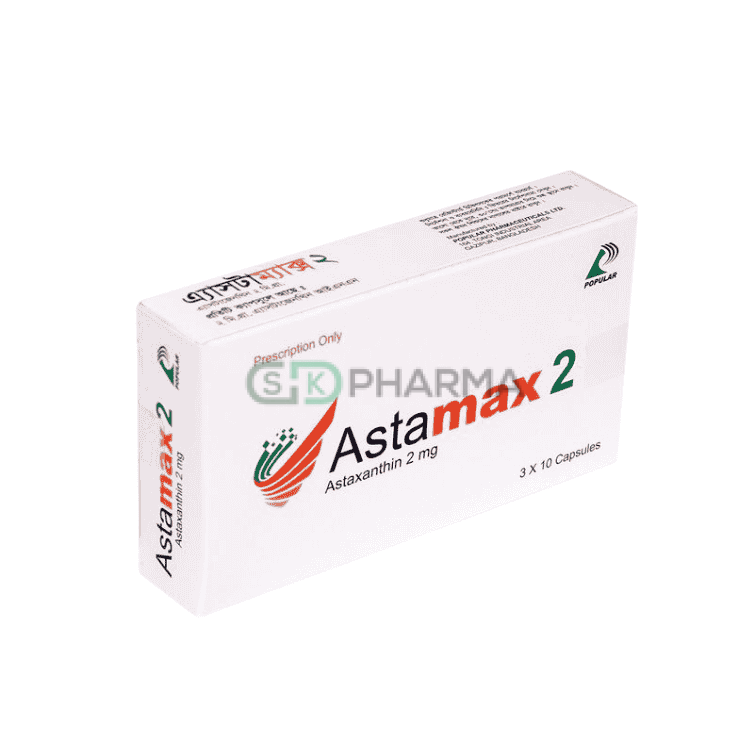
Astamax Capsule 2 mg (Astaxanthin)

Feminor Tablet 5 mg (Norethisterone Acetate)
![Efynal Chewable Tablet 200 mg (Vitamin E [Alpha Tocopherol Acetate])](https://www.skpharma.com.bd/public/uploads/all/Qi04en5W1LlhO0MG6NMf3DoG5Hrbfclv1jFAcEsW.png)
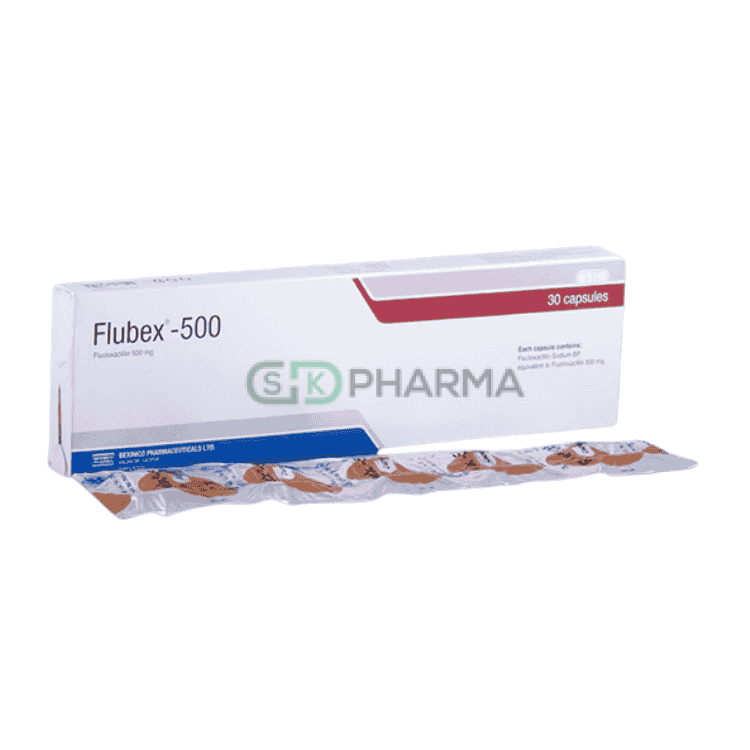
Flubex Capsule 500 mg (Flucloxacillin Sodium)

Perkirol Tablet 2 mg (Ropinirole)

Pirfedone Tablet 801 mg (Pirfenidone)


Amlacid Syrup (Amalaki Rasayana)
Product Queries (0)
Login Or Registerto submit your questions to seller
Other Questions
No none asked to seller yet
-
৳18.80
৳20.00 -
৳3.33
৳3.50 -
৳5.64
৳6.00 -
৳32.90
৳35.00


