


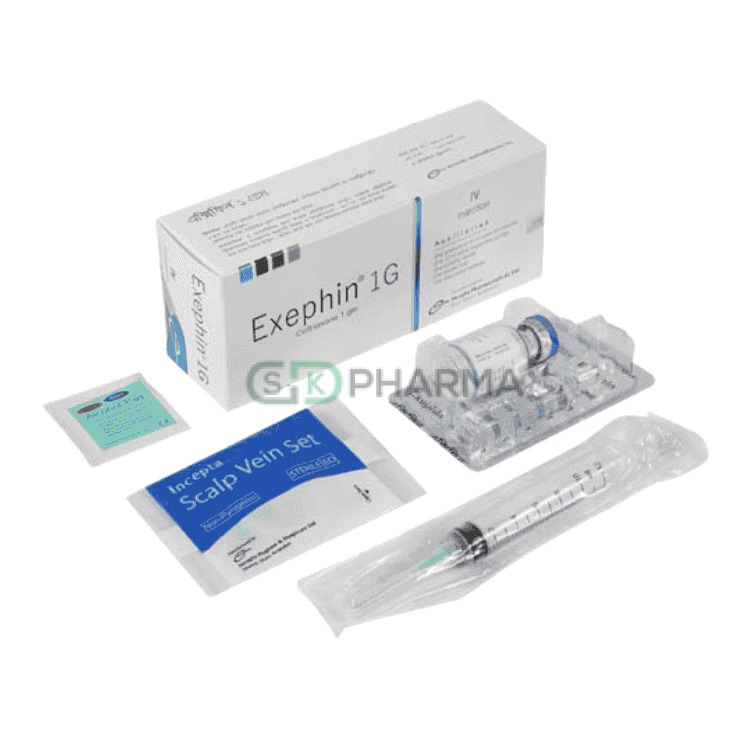
Exephin Injection 1 gm/vial IV (Ceftriaxone Sodium)
-
 ৳18.80
৳20.00 -
৳3.33
৳3.50 -
৳5.64
৳6.00 -
৳32.90
৳35.00
![Recur Tablet 1 mg (Finasteride [For Androgenic Alopecia])](https://www.skpharma.com.bd/public/uploads/all/mqB5zpgTubYSB0CMtn0XXhQtwBc22ia6JfYbyrMt.png)


Reviews & Ratings
Exephin 1 gm/vial is a broad-spectrum third-generation cephalosporin administered parenterally (intravenous or intramuscular) for the treatment and prevention of a wide range of bacterial infections. It exhibits potent bactericidal activity against both Gram-positive and Gram-negative bacteria by interfering with bacterial cell wall synthesis. Exephin is highly stable against beta-lactamases and has a long plasma elimination half-life (6–9 hours), allowing convenient dosing schedules.
It is commonly used in adults and children for serious infections, including respiratory, urinary, skin, bone, systemic infections, and for surgical prophylaxis.
রেজিস্টার্ড চিকিৎসকের পরামর্শ অনুযায়ী ঔষধ সেবন করুন
Indications
Exephin 1 gm/vial is indicated for the treatment of:
-
Lower respiratory tract infections (pneumonia, bronchitis)
-
Acute bacterial otitis media
-
Skin and skin structure infections
-
Urinary tract infections
-
Gonorrhea
-
Bacterial septicemia
-
Bone and joint infections
-
Meningitis
-
Prevention of postoperative infections
-
Perioperative prophylaxis for surgery-associated infections
Therapeutic Class
Third-generation Cephalosporins
Pharmacology
Exephin 1 gm/vial is a parenteral cephalosporin with the following characteristics:
-
Mechanism of action: Bactericidal via inhibition of bacterial cell wall synthesis
-
Stability: Resistant to beta-lactamases
-
Protein binding: ~95%
-
Excretion: 40–65% unchanged in urine; remainder via bile and feces
-
Metabolism: Not metabolized; pharmacologically inactive metabolites
Its long half-life supports once- or twice-daily dosing, providing effective systemic therapy for severe infections.
Dosage and Administration
Adults:
-
General infections: 1–2 g IV or IM once daily (or divided into 2 doses); max 4 g/day
-
Uncomplicated gonococcal infections: 250 mg IM single dose
-
Surgical prophylaxis: 1 g IV 30–120 minutes before surgery
Infants and Children (≥1 month):
-
General infections: 50–75 mg/kg IV or IM once daily (or divided doses); max 2 g/day
-
Acute otitis media: 50 mg/kg IM single dose; max 1 g/day
-
Meningitis: 100 mg/kg IV or IM daily or divided doses; max 4 g/day
Administration Notes:
-
IM: Reconstitute with Lidocaine HCl 1%
-
IV: Reconstitute with water for injection, administer over 2–4 minutes or via tubing infusion over 30 minutes
-
Duration: Continue therapy ≥2 days after symptom resolution; usually 4–14 days, longer if infection is complicated
Test dose recommended before full IV/IM administration to check for hypersensitivity.
Contraindications
-
Hypersensitivity to cephalosporins or beta-lactam antibiotics
Side Effects
-
Gastrointestinal: diarrhea, nausea, vomiting, stomatitis
-
Skin: rash, pruritus, urticaria, edema, erythema multiforme
-
Hematologic: eosinophilia, thrombocytopenia, leukopenia, anemia, neutropenia
-
Hepatic: elevated SGOT, SGPT, bilirubin
-
CNS: headache, dizziness, confusion, hyperactivity, convulsions
-
Local: rare phlebitis with IV administration (minimized by slow injection)
Precautions and Warnings
-
Anaphylaxis may occur; treat immediately with epinephrine and corticosteroids
-
Monitor blood counts during prolonged therapy
-
Rare gallbladder sludge may occur; usually reversible
-
Use caution in pregnancy and lactation
Pregnancy & Lactation
-
Safety not established; use only if clearly indicated
-
Excreted in low concentrations in breast milk; exercise caution
Overdose
-
No specific antidote; provide supportive care and symptomatic treatment
Storage
-
Store in a cool, dry place (<30°C), away from light and moisture
-
Keep out of reach of children
Special Populations
-
Neonates (<28 days) and premature infants: Not recommended
-
Elderly: Use caution due to possible reduced organ function.
Related Products
Xoleron Injection 4 mg/5 ml (Zoledronic Acid [For hypercalcemia])
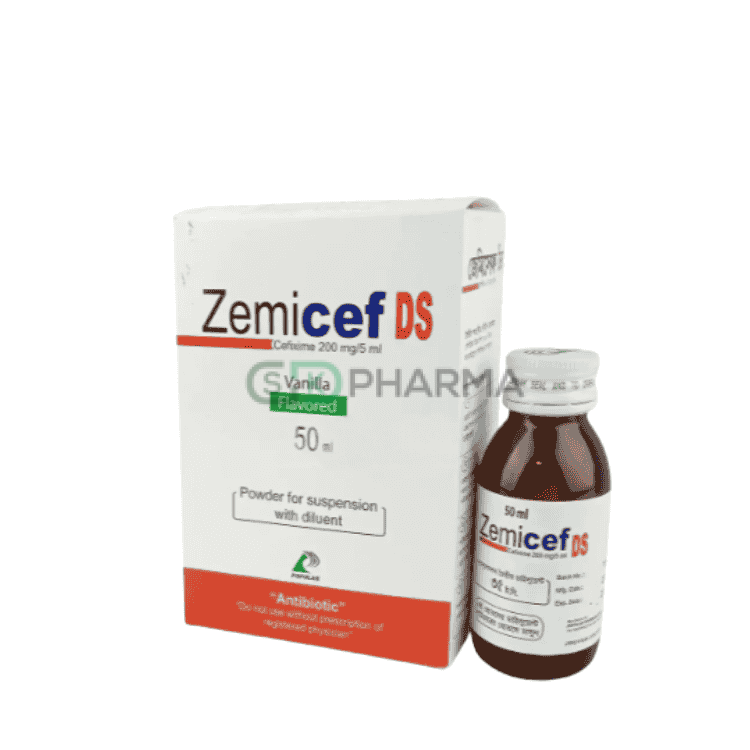
Zemicef DS Suspension 200 mg/5 ml (Cefixime Trihydrate)
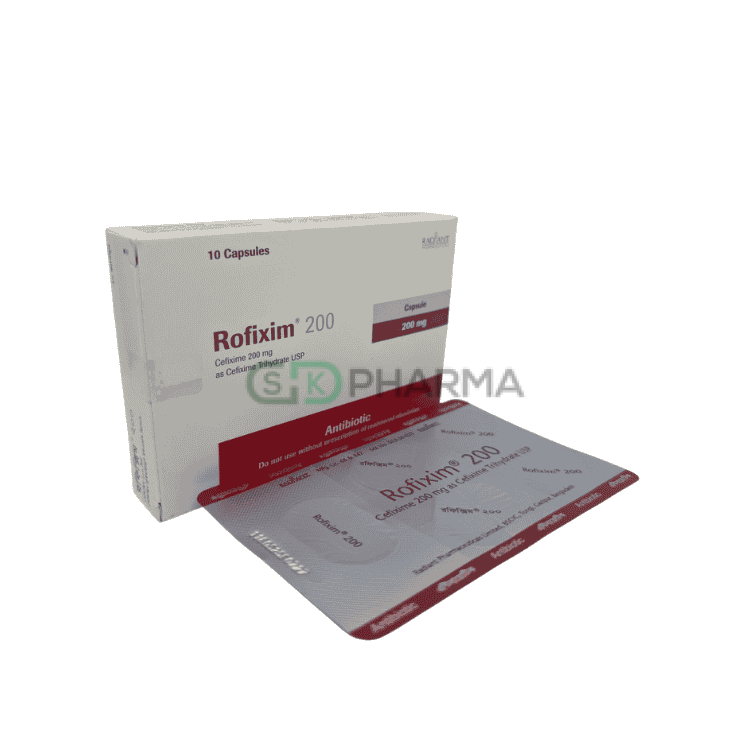
Rofixim Capsule 200 mg (Cefixime Trihydrate)
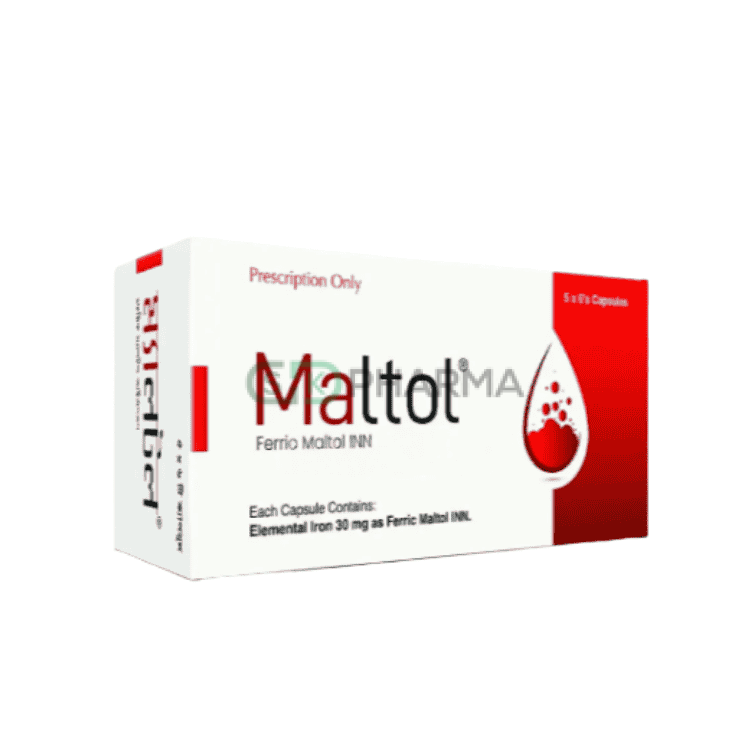
Maltol Capsule 30 mg (Ferric Maltol)
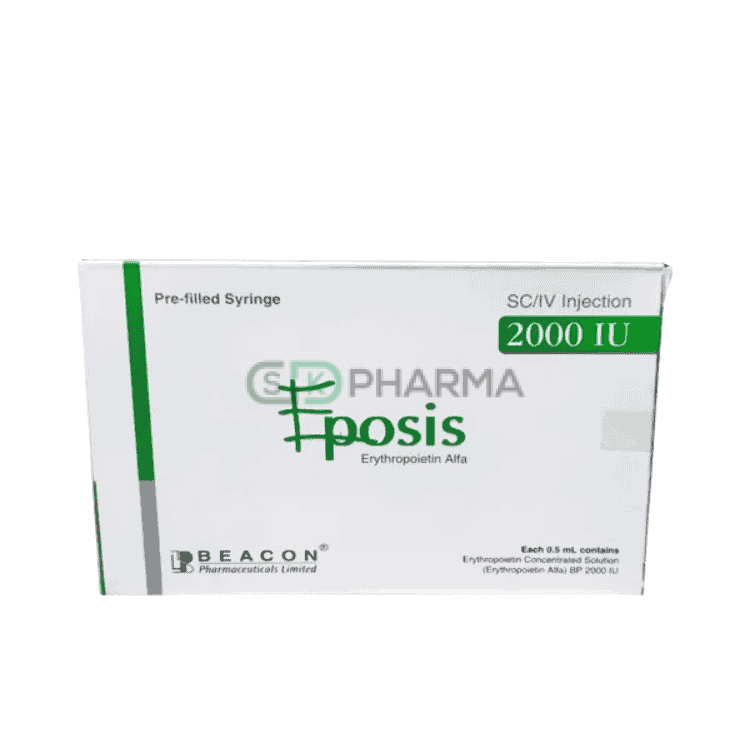
Eposis Injection 2000 IU (Erythropoietin Alfa)


Ficef Suspension 125 mg/5 ml (Cefadroxil Monohydrate)

Citalam Tablet 10 mg (Escitalopram Oxalate)

Derbicil Cream 1% (Terbinafine Hydrochloride)
Product Queries (0)
Login Or Registerto submit your questions to seller
Other Questions
No none asked to seller yet
-
৳18.80
৳20.00 -
৳3.33
৳3.50 -
৳5.64
৳6.00 -
৳32.90
৳35.00


