


Etorac Injection 60 mg/2 ml (Ketorolac Tromethamine)
-
 ৳3.33
৳3.33৳3.50 -
৳5.64
৳6.00 -
৳8.46
৳9.00 -
৳32.90
৳35.00


Reviews & Ratings
Etorac Injection 60 mg/2 ml contains Ketorolac Tromethamine, a powerful non-steroidal anti-inflammatory drug (NSAID) indicated for the short-term management of moderate to severe acute pain. It provides strong analgesic efficacy comparable to opioid analgesics, but without the risks of respiratory depression or dependence. Etorac Injection is commonly used in hospital and clinical settings for rapid pain control, particularly in postoperative and acute traumatic conditions.
রেজিস্টার্ড চিকিৎসকের পরামর্শ অনুযায়ী ঔষধ সেবন করুন
Indications
Etorac Injection 60 mg/2 ml is indicated for the short-term treatment of:
-
Moderate to severe acute pain
-
Postoperative pain management
-
Pain following orthopedic or surgical procedures
-
Renal colic
-
Acute musculoskeletal pain
-
Pain associated with trauma or injury
Therapy should be limited to the shortest duration possible, generally not exceeding 5 days, due to the risk of serious adverse effects.
Therapeutic Class
Non-Steroidal Anti-Inflammatory Drug (NSAID)
Pharmacology
Ketorolac Tromethamine produces its analgesic, anti-inflammatory, and antipyretic effects by inhibiting the cyclooxygenase (COX-1 and COX-2) enzymes. This inhibition reduces the synthesis of prostaglandins, which play a central role in pain, inflammation, and fever. Ketorolac has minimal sedative properties and does not interact with opioid receptors, making it an effective non-opioid alternative for severe pain control. The injectable formulation allows for rapid onset of action, providing effective relief in acute clinical situations.
Dosage and Administration
Etorac Injection may be administered via intramuscular (IM) or intravenous (IV) routes.
Recommended Adult Dosage:
-
Single dose: 30–60 mg IM or IV
-
Maintenance dose: 15–30 mg every 6 hours as needed
-
Maximum daily dose:
-
Adults: up to 120 mg/day
-
Elderly patients or those with renal impairment: reduced maximum dose
-
Treatment duration should not exceed 5 days. Dose adjustment is required in elderly patients, patients weighing less than 50 kg, and those with renal dysfunction.
Contraindications
Etorac Injection 60 mg/2 ml is contraindicated in patients with:
-
Known hypersensitivity to ketorolac or other NSAIDs
-
Active or history of peptic ulcer disease or gastrointestinal bleeding
-
Severe renal impairment or volume depletion
-
Hemorrhagic disorders or high bleeding risk
-
Concurrent use with other NSAIDs
-
Use during labor, delivery, or breastfeeding
Side Effects
Common side effects include:
-
Nausea and vomiting
-
Abdominal pain or indigestion
-
Headache
-
Dizziness
-
Injection site pain
Serious adverse reactions may include gastrointestinal bleeding, renal toxicity, increased bleeding tendency, and cardiovascular events, especially with prolonged use.
রেজিস্টার্ড চিকিৎসকের পরামর্শ অনুযায়ী ঔষধ সেবন করুন
Precautions and Warnings
-
Use with caution in elderly patients due to higher susceptibility to adverse effects
-
Monitor renal function, especially in dehydrated patients
-
Avoid concurrent use with other NSAIDs or anticoagulants
-
Alcohol consumption should be avoided during treatment
-
Prolonged use significantly increases the risk of gastrointestinal and renal complications
Drug Interactions
Ketorolac may interact with:
-
Anticoagulants and antiplatelet agents
-
Other NSAIDs or aspirin
-
Corticosteroids
-
Diuretics and antihypertensive medications
-
ACE inhibitors
-
Lithium and methotrexate
These interactions may increase toxicity or reduce therapeutic effectiveness.
Use in Special Populations
-
Pregnancy: Contraindicated, especially in the third trimester
-
Lactation: Not recommended
-
Geriatric Use: Lower doses and careful monitoring are required
-
Renal Impairment: Dose reduction or avoidance is advised
Storage Conditions
Store below 30°C in a dry place. Protect from light. Keep out of reach of children.
Related Products
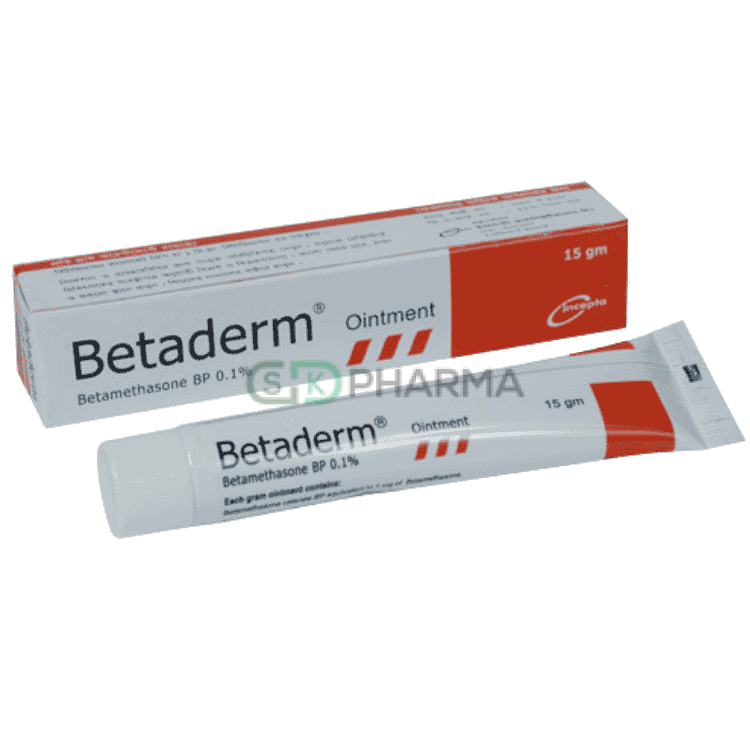
Betaderm Ointment 0.10% (Betamethasone Valerate)

Solo Nasal Drop 0.90% (Sodium Chloride)

Sperid ODT Tablet 3 mg (Risperidone)
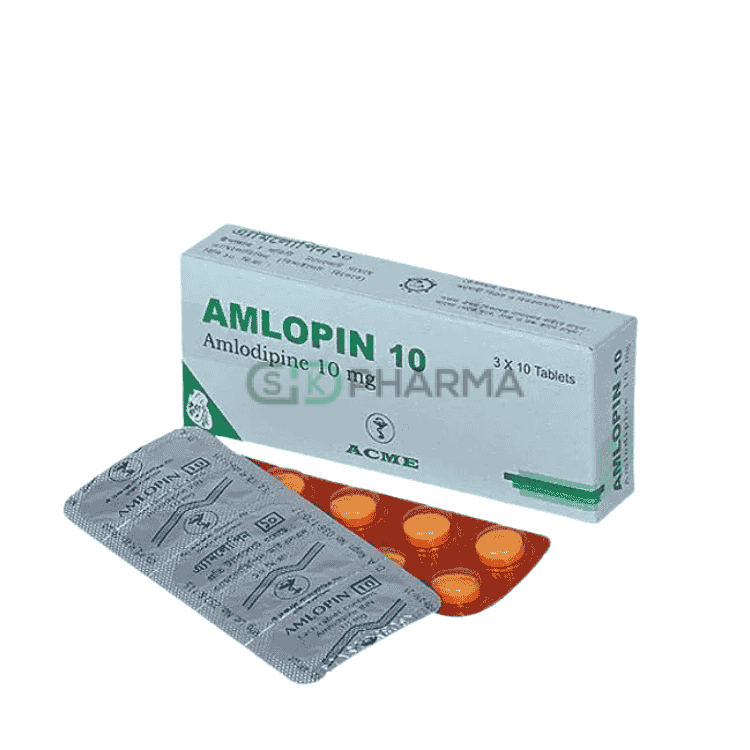
Amlopin Tablet 10 mg (Amlodipine Besilate)
![Filwel Gold Tablet (Multivitamin & Multimineral [A-Z gold preparation])](https://www.skpharma.com.bd/public/uploads/all/IcX3rc46ZxVREn9mGNuL1ME20oUkzuTyFbXMEWh1.png)

Cefotax Injection 250 mg/5 ml (Cefotaxime)

Tridosil Tablet 250 mg (Azithromycin Dihydrate)


Contour Plus Meter (Glucometer Blood glucose monitoring device)
Product Queries (0)
Login Or Registerto submit your questions to seller
Other Questions
No none asked to seller yet
-
৳3.33
৳3.50 -
৳5.64
৳6.00 -
৳8.46
৳9.00 -
৳32.90
৳35.00


