


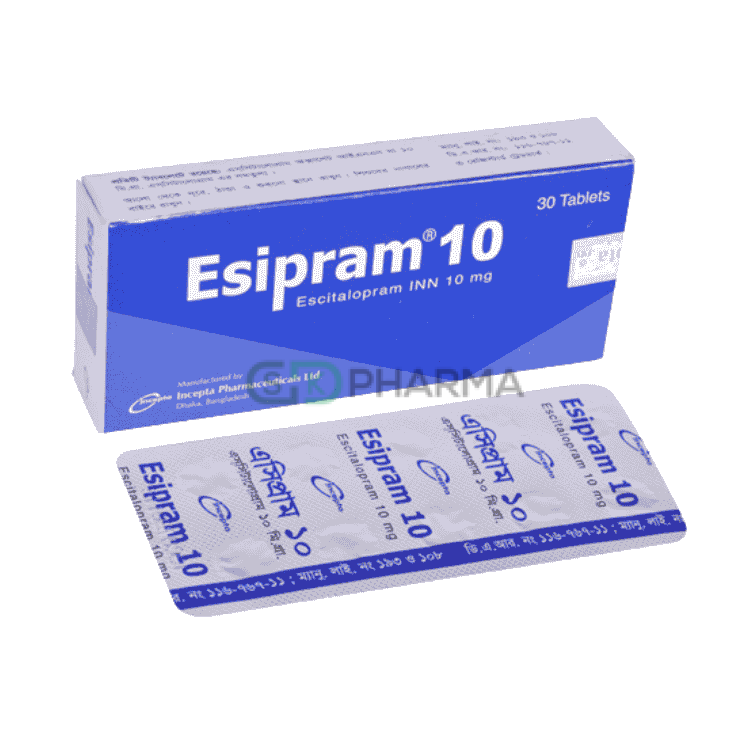
Esipram Tablet 10 mg (Escitalopram Oxalate)
-
 ৳3.33
৳3.33৳3.50 -
৳5.64
৳6.00 -
৳8.46
৳9.00 -
৳32.90
৳35.00


Reviews & Ratings
Esipram 10 mg Tablet is an antidepressant medicine belonging to the class of selective serotonin reuptake inhibitors (SSRIs). It is widely used in the management of depressive and anxiety-related disorders. By increasing serotonin levels in the brain, Esipram 10 mg helps improve mood, reduce anxiety, and restore emotional balance, thereby enhancing overall mental well-being.
রেজিস্টার্ড চিকিৎসকের পরামর্শ অনুযায়ী ঔষধ সেবন করুন
Therapeutic Class
-
SSRIs & Related Antidepressant Drugs
Pharmacology
Esipram 10 mg acts as a highly selective inhibitor of serotonin (5-HT) reuptake in the central nervous system. By preventing the reabsorption of serotonin into presynaptic neurons, it increases the availability of serotonin in the synaptic cleft, which contributes to its antidepressant and anxiolytic effects. Esipram 10 mg has minimal or no affinity for other receptors such as dopamine, adrenergic, histamine, muscarinic cholinergic, benzodiazepine, and opioid receptors, which helps reduce unwanted side effects commonly associated with other antidepressants.
Indications
Esipram 10 mg is indicated for the treatment of:
-
Depressive illness
-
Generalized anxiety disorder
-
Obsessive-compulsive disorder
-
Social anxiety disorder
Dosage and Administration
-
Adults: The recommended initial dose is 10 mg once daily. If necessary, the dose may be increased to 20 mg after a minimum of one week.
-
Panic Disorder: Adults over 18 years may start with 5 mg once daily, increased to 10 mg after 7 days. The maximum recommended dose is 20 mg daily.
-
Social Anxiety Disorder: Adults usually start with 10 mg once daily. Dose adjustment may be made after 2–4 weeks, with a usual range of 5–20 mg daily.
-
Elderly: A dose of 10 mg once daily is generally recommended. Lower maintenance doses may be sufficient in some patients.
Dosage should always be adjusted based on clinical response and tolerability, under medical supervision.
Drug Interactions
-
Esipram 10 mg should not be used concurrently with monoamine oxidase inhibitors (MAOIs)
-
A minimum gap of 2 weeks should be observed after stopping an MAOI before starting Esipram
-
An MAOI should not be initiated until at least one week after discontinuing Esipram
-
Concomitant use with pimozide is contraindicated
Contraindications
-
Hypersensitivity to Esipram, citalopram, or any excipients
-
Concomitant use with MAOIs
-
Concomitant use with pimozide
Side Effects
Esipram 10 mg is generally well tolerated. Common side effects may include:
-
Nausea
-
Insomnia or drowsiness
-
Fatigue
-
Increased sweating
-
Sexual dysfunction, including ejaculation disorders
Most side effects are mild, transient, and tend to resolve with continued treatment.
রেজিস্টার্ড চিকিৎসকের পরামর্শ অনুযায়ী ঔষধ সেবন করুন
Pregnancy and Lactation
-
The safety of Esipram 10 mg during pregnancy has not been fully established
-
Use during pregnancy only if the potential benefit justifies the possible risk to the fetus
-
Esipram is excreted in breast milk; caution is advised when administered to nursing mothers
Precautions and Warnings
-
Abrupt discontinuation may cause withdrawal symptoms such as dizziness, anxiety, irritability, headache, and sleep disturbances
-
Gradual dose reduction is recommended when discontinuing therapy
-
Patients should be monitored for worsening depression or suicidal ideation, especially during early treatment
Use in Special Populations
-
Pediatric Use: Safety and efficacy in individuals under 18 years have not been established
-
Geriatric Use: No significant differences in safety or effectiveness compared to younger adults, though increased sensitivity may occur in some elderly patients
Storage Conditions
-
Store below 30°C
-
Keep in a cool, dry place
-
Protect from light.
Related Products
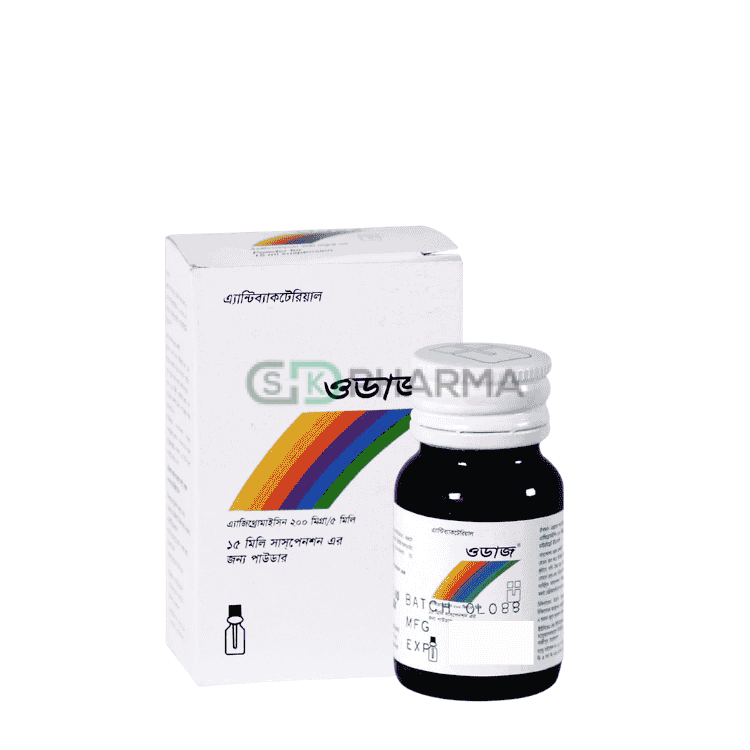
Odaz Suspension 200 mg/5 ml (Azithromycin Dihydrate)


Dexa Injection 5 mg/ml (Dexamethasone)

HTZ Tablet 25 mg (Hydrochlorothiazide)

Sefril Pediatric Drop 125 mg/1.25 ml (Cephradine)
![Inovit E Capsule 200 mg (Vitamin E [Alpha Tocopherol Acetate])](https://www.skpharma.com.bd/public/uploads/all/a7N61TE0Utm4D27ZwQ0nLTvgmAnzvv7NgcdstHSd.png)

Dinac TR Capsule 100 mg (Diclofenac Sodium)

Normalin Injection 3% (Sodium Chloride)
Product Queries (0)
Login Or Registerto submit your questions to seller
Other Questions
No none asked to seller yet
-
৳3.33
৳3.50 -
৳5.64
৳6.00 -
৳8.46
৳9.00 -
৳32.90
৳35.00


