


A-B1 Tablet 100 mg (Thiamine Hydrochloride)
-
 ৳18.80
৳20.00 -
৳3.33
৳3.50 -
৳5.64
৳6.00 -
৳8.46
৳9.00
![Recur Tablet 1 mg (Finasteride [For Androgenic Alopecia])](https://www.skpharma.com.bd/public/uploads/all/mqB5zpgTubYSB0CMtn0XXhQtwBc22ia6JfYbyrMt.png)


Reviews & Ratings
A-B1 100 mg Tablet contains Thiamine (Vitamin B1), an essential water-soluble vitamin required for normal carbohydrate metabolism, nerve function, and cardiovascular health. It is primarily used for the treatment and prevention of thiamine deficiency, a condition that can lead to serious neurological, cardiac, and gastrointestinal complications if left untreated.
রেজিস্টার্ড চিকিৎসকের পরামর্শ অনুযায়ী ঔষধ সেবন করুন
Indications
A-B1 100 mg is indicated in the management and prevention of thiamine deficiency–related conditions, including:
-
Beriberi
-
Wernicke’s encephalopathy
-
Neuritis associated with pregnancy
-
Pellagra
-
Thiamine deficiency due to chronic alcoholism
-
Malabsorption syndromes
-
Prolonged diarrhoea
-
Hepatic disease
-
Inadequate dietary intake of vitamin B1
-
Increased nutritional requirements such as pregnancy and carbohydrate-rich diets
Supplementary thiamine may also be used prophylactically in individuals at risk of deficiency due to poor nutrition or impaired gastrointestinal absorption.
Therapeutic Class
Vitamin-B preparations
Pharmacology
Thiamine is converted in the body to thiamine pyrophosphate, its active form, which acts as a vital coenzyme in carbohydrate metabolism, particularly in the decarboxylation of α-keto acids. Adequate thiamine levels are essential for the proper functioning of the peripheral nervous system, gastrointestinal tract, and cardiovascular system.
Thiamine deficiency can result in fatigue, anorexia, gastrointestinal disturbances, irritability, tachycardia, and various neurological symptoms. Since thiamine is not stored in the body in significant amounts, continuous daily intake is necessary to maintain normal physiological functions.
Thiamine is well absorbed from the upper small intestine and widely distributed throughout body tissues. Excess thiamine is excreted in the urine, either unchanged or as inactive metabolites. The plasma half-life of thiamine is approximately 24 hours.
Mode of Action
Thiamine functions as an essential coenzyme in energy production pathways, supporting nerve impulse transmission and myocardial function. By correcting thiamine deficiency, A-B1 100 mg helps restore normal metabolic activity and prevents neurological and cardiovascular complications.
Dosage and Administration
Dosage should be determined according to the severity of deficiency:
-
Prophylaxis: 3–10 mg daily
-
Mild chronic deficiency: 10–25 mg daily
-
Severe deficiency: 200–300 mg daily
The dosage and duration of treatment should be guided by a physician.
রেজিস্টার্ড চিকিৎসকের পরামর্শ অনুযায়ী ঔষধ সেবন করুন
Drug Interactions
No clinically significant drug interactions have been reported. Thiamine acts synergistically with other B-complex vitamins, and its potential for adverse effects is minimal.
Contraindications
There is no absolute contraindication to oral thiamine. However, repeated parenteral administration may increase the risk of hypersensitivity reactions. Oral administration is preferred once deficiency is corrected.
Side Effects
A-B1 100 mg is generally well tolerated when taken orally. Rare hypersensitivity reactions have been reported with high-dose parenteral use. Mild soreness may occur with intramuscular administration.
Pregnancy and Lactation
A-B1 100 mg is safe for use in neonates, children, pregnant and lactating women, and elderly patients when used at recommended doses.
Storage Conditions
Store in a cool, dry place, protected from light and moisture. Keep out of reach of children.
Related Products
![Lifil-E Capsule 200 mg (Vitamin E [Alpha Tocopherol Acetate])](https://www.skpharma.com.bd/public/uploads/all/ZTiXCu78jorU0j0dBjLgEbUjyCA92FhCAVSUuq36.png)

Alclor Suspension 125 mg/5 ml (Cefaclor Monohydrate)
Aptin Tablet 50 mg (Vildagliptin)

Nameton Tablet 750 mg (Nabumetone)
Diaryl Tablet 1 mg (Glimepiride)

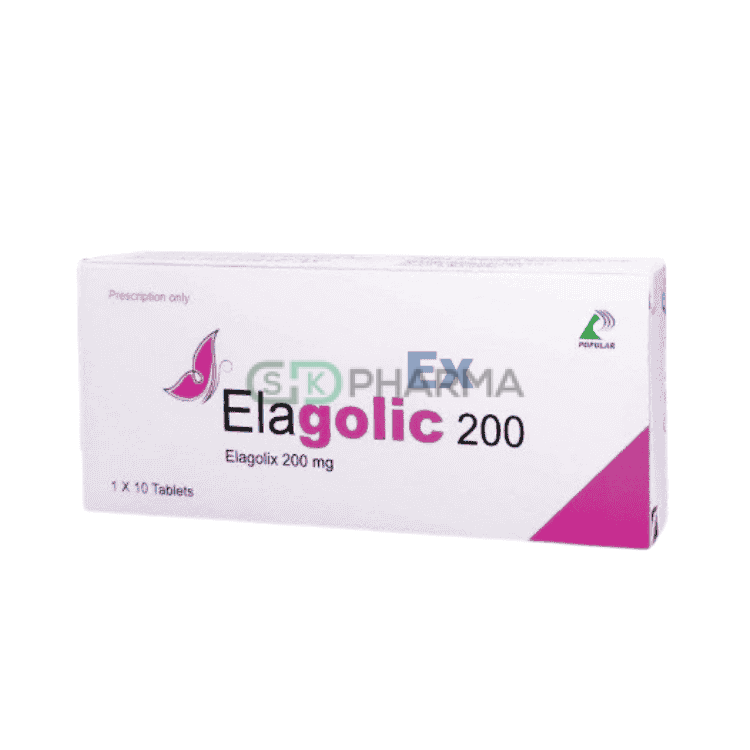
Elagolic Tablet 200 mg (Elagolix Sodium)

Nervalin CR Tablet 82.5 mg (Pregabalin)
Product Queries (0)
Login Or Registerto submit your questions to seller
Other Questions
No none asked to seller yet
-
৳18.80
৳20.00 -
৳3.33
৳3.50 -
৳5.64
৳6.00 -
৳8.46
৳9.00


