


Vastigro Capsule 1.5 mg (Rivastigmine Tartrate)
-
 ৳18.80
৳20.00 -
৳3.33
৳3.50 -
৳5.64
৳6.00 -
৳8.46
৳9.00 -
৳18.80
৳20.00


Reviews & Ratings
Vastigro 1.5 mg contains Rivastigmine, a cholinesterase inhibitor used for the symptomatic treatment of dementia. It is specifically indicated for mild to moderately severe Alzheimer’s disease and dementia associated with idiopathic Parkinson’s disease. Rivastigmine works by increasing the concentration of acetylcholine in the brain, improving cognitive function, memory, and attention in patients with neurodegenerative disorders.
রেজিস্টার্ড চিকিৎসকের পরামর্শ অনুযায়ী ঔষধ সেবন করুন
Therapeutic Class
-
Drugs for Dementia
Pharmacology
Rivastigmine is a carbamate derivative structurally related to physostigmine. Its mechanism involves reversible inhibition of cholinesterases (acetylcholinesterase and butyrylcholinesterase), preventing the breakdown of acetylcholine at cholinergic synapses. This leads to an increased concentration of acetylcholine in the central nervous system, enhancing cholinergic transmission. The anticholinesterase activity of rivastigmine is relatively selective for the brain compared to peripheral tissues, helping improve cognitive function with reduced systemic effects.
Indications
-
Symptomatic treatment of mild to moderately severe Alzheimer’s dementia
-
Symptomatic treatment of mild to moderately severe dementia in patients with idiopathic Parkinson’s disease
Dosage & Administration
Rivastigmine Capsules (Vastigro 1.5 mg):
-
Initial Dose: 1.5 mg twice daily with morning and evening meals
-
Titration: If well tolerated after at least 2 weeks, increase to 3 mg twice daily. Subsequent increases to 4.5 mg and then 6 mg twice daily may be considered based on tolerability, with a maximum daily dose of 6 mg twice daily.
-
Maintenance Dose: Continue at the highest well-tolerated dose for maximum benefit
-
Re-initiation: If treatment is interrupted for several days, restart at 1.5 mg twice daily and titrate accordingly
Rivastigmine Transdermal Patch:
-
Initial Dose: 4.6 mg/24 hours
-
Titration: After at least 4 weeks, increase to 9.5 mg/24 hours (minimum effective dose). Maximum dose of 13.3 mg/24 hours may be considered after an additional 4 weeks.
-
Severe Alzheimer’s Disease: 13.3 mg/24 hours patch once daily
Administration Guidelines
-
Capsules should be administered twice daily with meals
-
Transdermal patches applied to intact skin for 24 hours and replaced daily
Drug Interactions
-
May exaggerate effects of succinylcholine-type muscle relaxants during anesthesia
-
Avoid concomitant use with other cholinergic drugs
-
Anticholinergic drugs may reduce rivastigmine efficacy
-
No significant pharmacokinetic interactions with digoxin, warfarin, diazepam, or fluoxetine have been observed
Contraindications
-
Hypersensitivity to rivastigmine or other carbamate derivatives
Side Effects
Most commonly reported adverse effects are gastrointestinal, including:
-
Nausea (38%)
-
Vomiting (23%)
Other potential side effects:
-
Weight loss (more frequent in female patients)
-
Diarrhea, dizziness, headache, and mild anorexia
Precautions & Warnings
-
Use with caution in patients with sick sinus syndrome, conduction defects, asthma, obstructive pulmonary disease, or urinary obstruction
-
Monitor body weight, renal, and hepatic function
-
May worsen extrapyramidal symptoms in Parkinson’s disease
-
Monitor for seizures and gastrointestinal disturbances
Overdose
Symptoms may include nausea, vomiting, diarrhea, bradycardia, hypertension, syncope, or hallucinations. Treatment is supportive:
-
Antiemetics for severe vomiting
-
Atropine IV in cases of severe bradycardia (0.03 mg/kg initially, repeat as needed)
-
Avoid scopolamine
Pregnancy & Lactation
-
Pregnancy: Use only if clearly needed; clinical data are limited
-
Lactation: Excreted in milk; breastfeeding should be avoided
Storage
Store in a cool, dry place, protected from light. Keep out of reach of children.
Related Products

Dexochol Tablet 150 mg (Ursodeoxycholic Acid)
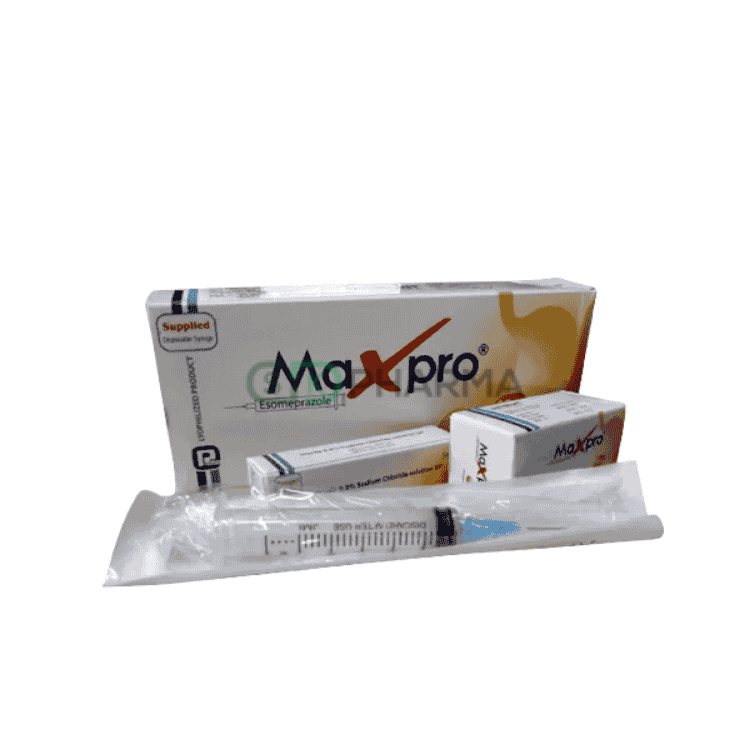
Maxpro Injection 40 mg/vial (Esomeprazole)

Abevmy IV Infusion 100 mg/4 ml (Bevacizumab)

Cozen Capsule 600 mg (Marine Collagen)
Myfocin Tablet 500 mg (Mefenamic acid)

Trevox D Eye Drop 0.1%+0.5% (Dexamethasone + Levofloxacin)
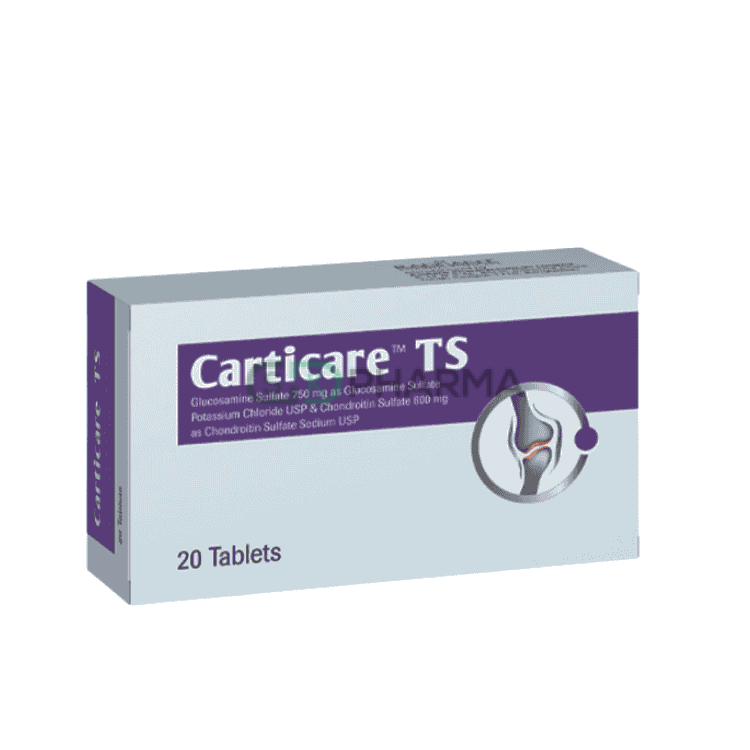
Ondan Tablet 8 mg (Ondansetron)

Nestor Tablet 5 mg (Rosuvastatin Calcium)
Product Queries (0)
Login Or Registerto submit your questions to seller
Other Questions
No none asked to seller yet
-
৳18.80
৳20.00 -
৳3.33
৳3.50 -
৳5.64
৳6.00 -
৳8.46
৳9.00 -
৳18.80
৳20.00


