


Misofenac Tablet 50 mg+200 mcg (Diclofenac Sodium + Misoprostol)
-
 ৳18.80
৳20.00 -
৳3.33
৳3.50 -
৳5.64
৳6.00 -
৳8.46
৳9.00
![Recur Tablet 1 mg (Finasteride [For Androgenic Alopecia])](https://www.skpharma.com.bd/public/uploads/all/mqB5zpgTubYSB0CMtn0XXhQtwBc22ia6JfYbyrMt.png)


Reviews & Ratings
Misofenac Tablet combines Diclofenac Sodium 50 mg, a non-steroidal anti-inflammatory drug (NSAID), with Misoprostol 200 mcg, a synthetic prostaglandin E1 analog. This combination provides effective relief from pain and inflammation while protecting the gastrointestinal (GI) tract from NSAID-induced ulcers. Misofenac is particularly useful for patients with arthritis, musculoskeletal disorders, and other chronic inflammatory conditions who are at risk of developing gastric irritation due to prolonged NSAID use.
Diclofenac works by inhibiting cyclooxygenase (COX) enzymes, which reduces the production of prostaglandins responsible for pain, inflammation, and fever. Misoprostol counteracts NSAID-induced gastric damage by stimulating mucus and bicarbonate production in the stomach lining, thereby protecting the gastric mucosa.
রেজিস্টার্ড চিকিৎসকের পরামর্শ অনুযায়ী ঔষধ সেবন করুন
Indications
Misofenac Tablet 50 mg+200 mcg is indicated for:
-
Osteoarthritis, rheumatoid arthritis, and ankylosing spondylitis
-
Acute musculoskeletal pain due to strains, sprains, or injuries
-
Chronic pain management in patients at high risk of NSAID-induced gastrointestinal complications
-
Prevention of NSAID-induced gastric and duodenal ulcers
This combination ensures effective pain relief without compromising gastrointestinal safety in at-risk patients.
Mechanism of Action
Diclofenac Sodium (50 mg):
-
Inhibits COX-1 and COX-2 enzymes, decreasing prostaglandin synthesis
-
Reduces inflammation, swelling, pain, and fever associated with musculoskeletal and arthritic conditions
-
Provides rapid analgesic effect for acute pain
Misoprostol (200 mcg):
-
Mimics prostaglandin E1, enhancing secretion of gastric mucus and bicarbonate
-
Reduces gastric acid secretion and maintains mucosal integrity
-
Protects the stomach and duodenum from NSAID-induced erosion and ulcer formation
Together, this combination provides dual benefit: effective anti-inflammatory and analgesic action with gastrointestinal protection.
Dosage and Administration
-
Recommended dose: 1 tablet orally, 2–3 times daily, preferably after meals to reduce gastrointestinal discomfort
-
Swallow the tablet whole with water
-
Avoid crushing or chewing the tablet
-
Duration of therapy should be as short as possible while achieving the desired effect
-
For long-term use, periodic monitoring of renal, hepatic, and gastrointestinal function is recommended
Benefits of Misofenac Tablet
-
Provides effective relief from pain and inflammation in arthritis and musculoskeletal disorders
-
Reduces the risk of NSAID-induced gastric and duodenal ulcers
-
Improves patient tolerance to long-term NSAID therapy
-
Convenient combination therapy reduces the need for additional medications
-
Helps maintain daily mobility and quality of life in chronic inflammatory conditions
Precautions
-
Avoid in patients with active peptic ulcer, gastrointestinal bleeding, or hypersensitivity to NSAIDs or prostaglandins
-
Use with caution in patients with renal or hepatic impairment, cardiovascular disease, or hypertension
-
Not recommended in pregnancy unless prescribed for specific obstetric indications
-
Monitor for signs of GI bleeding, including black stools or vomiting blood
-
Avoid concomitant use with other NSAIDs or corticosteroids without medical supervision
Side Effects
Common side effects include:
-
Gastrointestinal discomfort (nausea, abdominal pain, diarrhea)
-
Headache or dizziness
-
Dyspepsia or flatulence
Rare but serious side effects may include:
-
GI bleeding or ulceration
-
Severe allergic reactions (rash, itching, anaphylaxis)
-
Cardiovascular events (hypertension, heart attack, stroke)
Storage
-
Store in a cool, dry place below 30°C
-
Protect from light and moisture
-
Keep out of reach of children
Related Products

Levamdocal Tablet 2.5 mg (Levamlodipine Maleate)
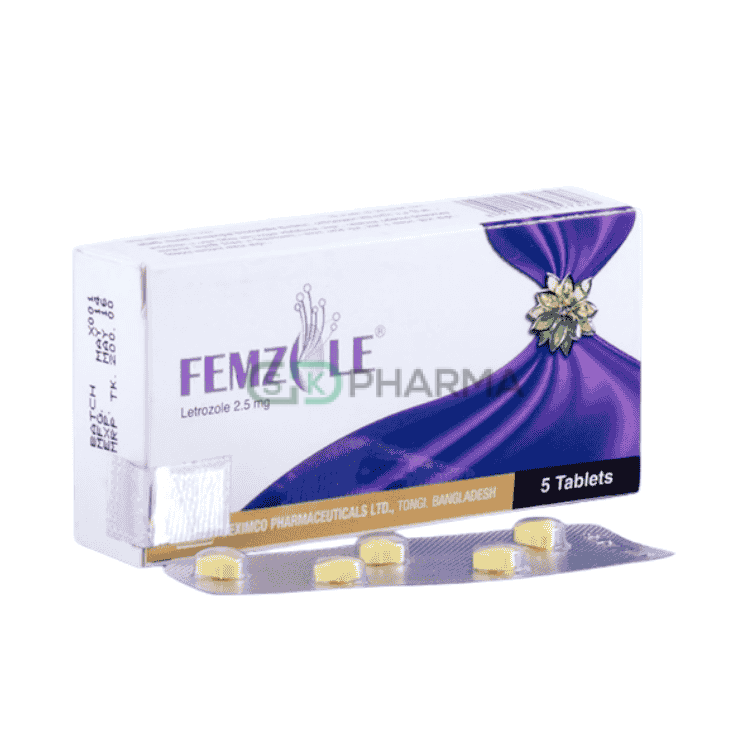
Femzole Tablet 2.5 mg (Letrozole)
![Penvik Tablet 250 mg (Phenoxymethyl Penicillin [Penicillin V])](https://www.skpharma.com.bd/public/uploads/all/izgX6B18HYtX6NIBFwk8pbO3rDxN01iR71sdHU4H.png)
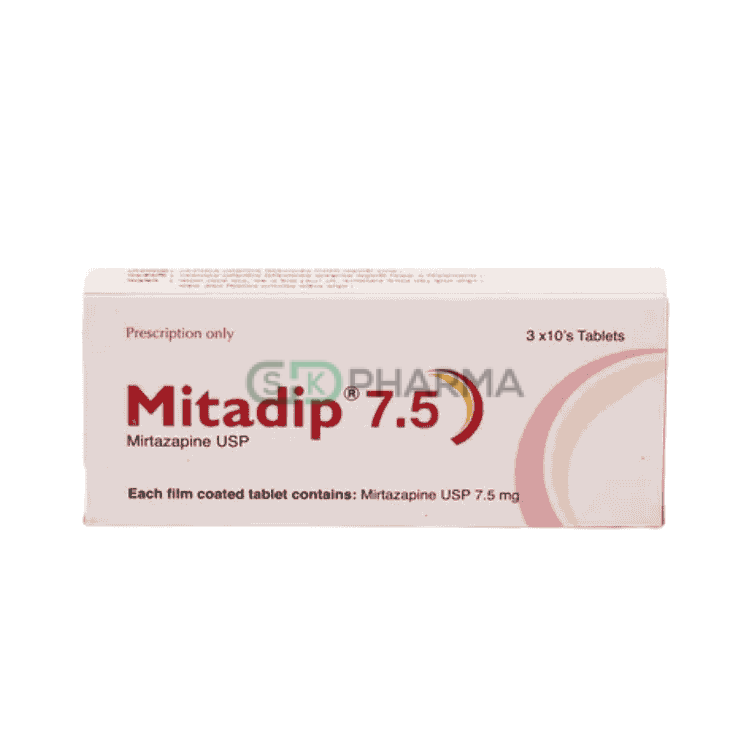
Mitadip Tablet 7.5 mg (Mirtazapine)

Hemorif DS Tablet 900 mg+100 mg (Diosmin + Hesperidin)
![Ertaco Cream 2% (Sertaconazole Nitrate [Topical])](https://www.skpharma.com.bd/public/uploads/all/vKrw7hpvND0DHCi7ZcEx4VsG3TO3BcsSXVyJ5Aco.png)
Ertaco Cream 2% (Sertaconazole Nitrate [Topical])
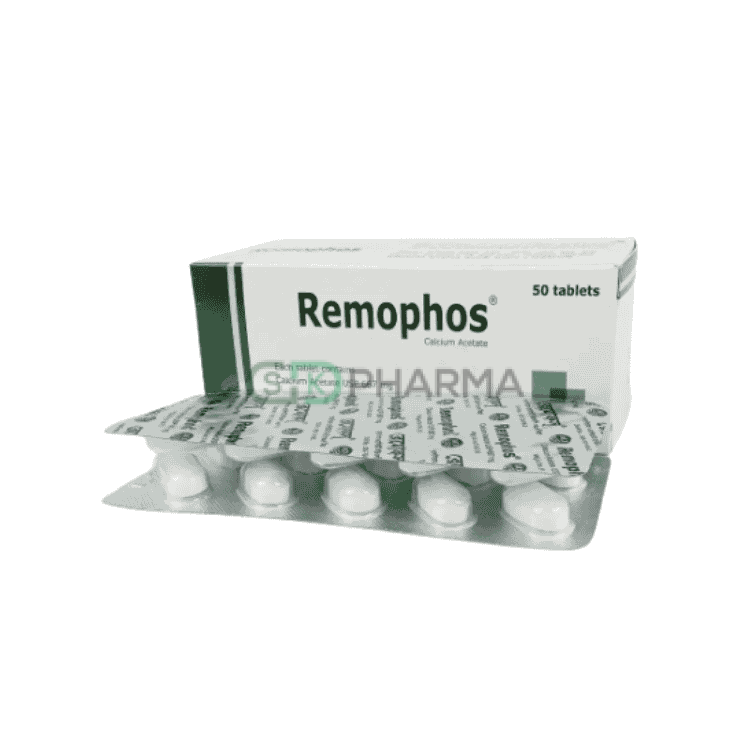
Remophos Tablet 667 mg (Calcium Acetate)
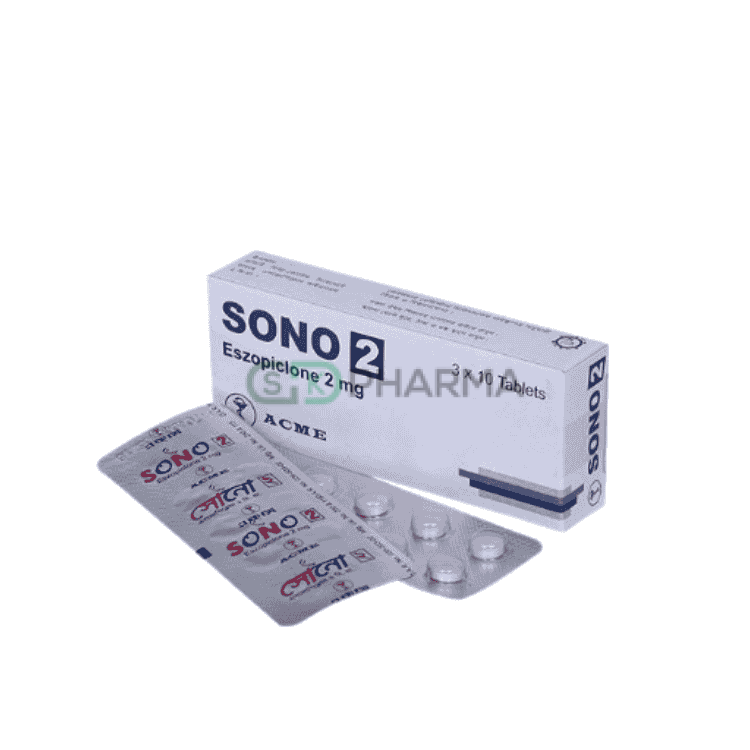
Sono Tablet 2 mg (Eszopiclone)

Pink Pill Tablet 100 mg (Flibanserin)
Product Queries (0)
Login Or Registerto submit your questions to seller
Other Questions
No none asked to seller yet
-
৳18.80
৳20.00 -
৳3.33
৳3.50 -
৳5.64
৳6.00 -
৳8.46
৳9.00


