


Hepaclin Injection 5 gm/10 ml (L-Ornithine L-Aspartate)
-
 ৳18.80
৳20.00 -
৳3.33
৳3.50 -
৳5.64
৳6.00 -
৳32.90
৳35.00
![Recur Tablet 1 mg (Finasteride [For Androgenic Alopecia])](https://www.skpharma.com.bd/public/uploads/all/mqB5zpgTubYSB0CMtn0XXhQtwBc22ia6JfYbyrMt.png)



Reviews & Ratings
Hepaclin Injection 5 gm/10 ml is a clinically formulated solution containing L-Ornithine L-Aspartate (LOLA), an amino acid compound used to support liver function and manage conditions associated with hepatic dysfunction. Hepaclin is primarily employed to reduce elevated blood ammonia levels, which are often seen in hepatic encephalopathy, chronic liver disease, and cirrhosis. By enhancing ammonia metabolism in the liver and muscles, Hepaclin helps improve mental alertness, cognitive function, and overall well-being in patients with liver impairment.
রেজিস্টার্ড চিকিৎসকের পরামর্শ অনুযায়ী ঔষধ সেবন করুন
Indications
Hepaclin Injection is indicated for:
-
Hepatic encephalopathy: Prevention and treatment of elevated blood ammonia levels in acute or chronic liver disease.
-
Chronic liver disease management: Supports detoxification in cirrhosis, hepatitis, and other liver disorders.
-
Hyperammonemia: Reduction of ammonia accumulation associated with liver dysfunction.
-
Supportive therapy: In conditions such as hepatocellular insufficiency where ammonia metabolism is impaired.
Use only under the supervision of a registered healthcare professional.
Therapeutic Class
-
Amino Acid Derivatives
-
Liver Supportive Agents
Composition
Each 10 ml vial of Hepaclin Injection contains:
-
L-Ornithine L-Aspartate – 5 gm
This preparation is a sterile, clear solution intended for intravenous or slow intramuscular administration.
Pharmacology
Hepaclin’s active ingredients, L-Ornithine and L-Aspartate, play a key role in the urea cycle, a liver metabolic pathway responsible for converting ammonia into urea for safe excretion. Key pharmacological actions include:
-
Ammonia Detoxification: Enhances the conversion of ammonia into urea in the liver, reducing systemic ammonia levels.
-
Improved Cognitive Function: By lowering ammonia, Hepaclin helps prevent or reduce the severity of hepatic encephalopathy symptoms, such as confusion, drowsiness, and altered mental status.
-
Hepatoprotective Effects: Supports liver metabolism and regeneration in chronic liver disease patients.
Dosage & Administration
-
Adults: The usual dose is 5–10 gm per day, administered intravenously or intramuscularly. Dosage may be adjusted according to the severity of hyperammonemia and clinical response.
-
Intravenous Administration: Administer slowly over 30–60 minutes. Can be diluted in 50–100 ml of 5% dextrose or normal saline if necessary.
-
Intramuscular Administration: Can be given slowly into a large muscle mass. Rotate injection sites to avoid local irritation.
-
Pediatric Use: Only under strict medical supervision; dosage must be individualized.
Treatment duration depends on the patient’s condition, typically continued until ammonia levels normalize or clinical improvement is observed.
Contraindications
-
Known hypersensitivity to L-Ornithine L-Aspartate or any component of the injection.
-
Severe metabolic disorders where amino acid therapy is contraindicated.
Side Effects
Hepaclin Injection is generally well tolerated. Mild adverse effects may include:
-
Local injection site reactions (pain, redness)
-
Gastrointestinal disturbances such as nausea or vomiting
-
Rarely, allergic reactions (rash, itching)
Serious adverse effects are uncommon.
Precautions & Warnings
-
Use caution in patients with renal impairment, as excessive amino acids may accumulate.
-
Monitor ammonia levels and clinical symptoms during therapy.
-
Not recommended for self-administration; should be administered by healthcare professionals.
Pregnancy & Lactation
-
Pregnancy: Can be used if clearly needed; limited data available.
-
Lactation: Use only if benefits outweigh potential risks; no known adverse effects on breastfeeding infants.
Storage Conditions
-
Store at 2°C–8°C in a refrigerator.
-
Protect from light.
-
Do not freeze.
-
Keep out of reach of children.
Related Products
Naxo Tablet 500 mg (Naproxen Sodium)
Afalino Tablet 12.5 mg (Cenobamate)
Nocandia Tablet 200 mg (Itraconazole)
Xalcort Tablet 18 mg (Deflazacort)
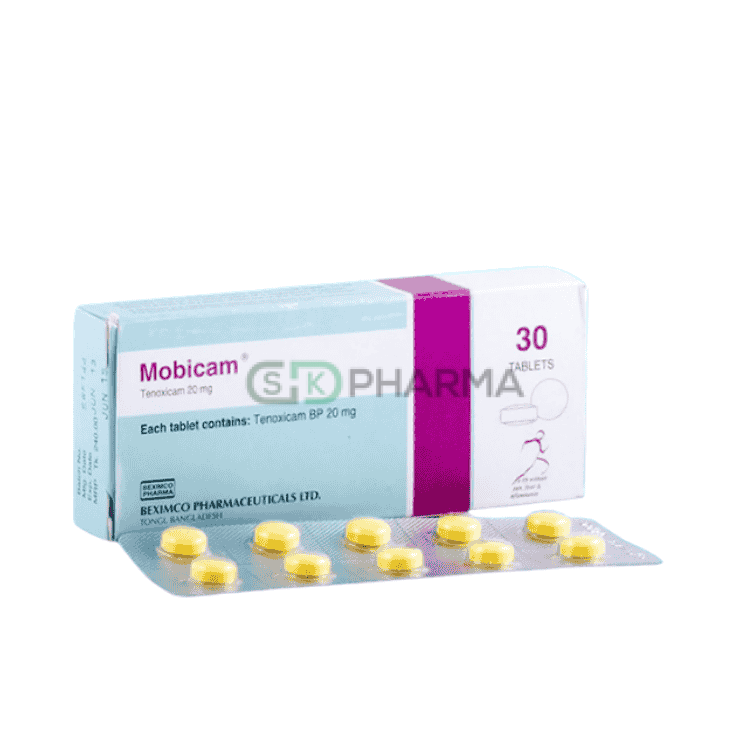
Mobicam Tablet 20 mg (Tenoxicam)

Duloxen Tablet 60 mg (Duloxetine Hydrochloride)
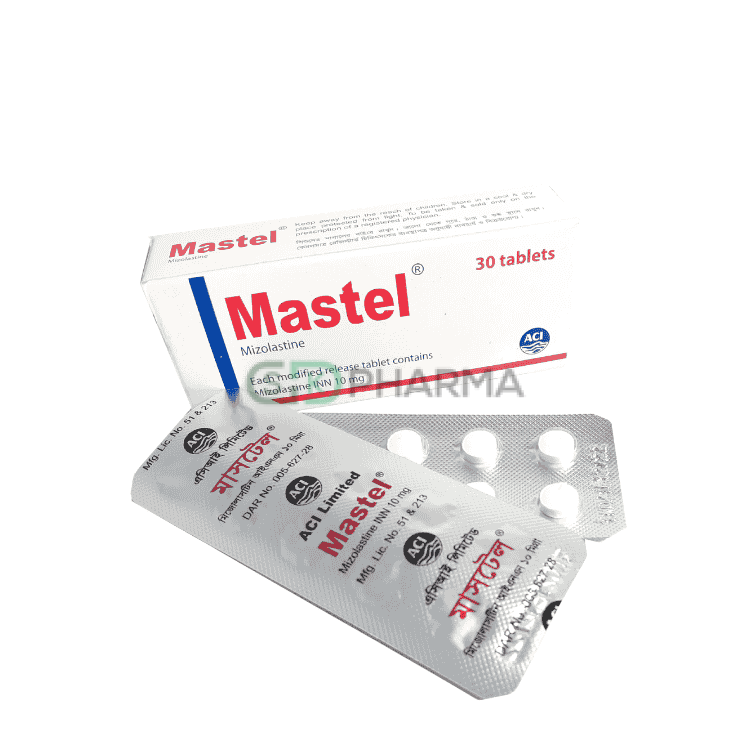
Mastel Tablet 10 mg (Mizolastine)
Product Queries (0)
Login Or Registerto submit your questions to seller
Other Questions
No none asked to seller yet
-
৳18.80
৳20.00 -
৳3.33
৳3.50 -
৳5.64
৳6.00 -
৳32.90
৳35.00


