


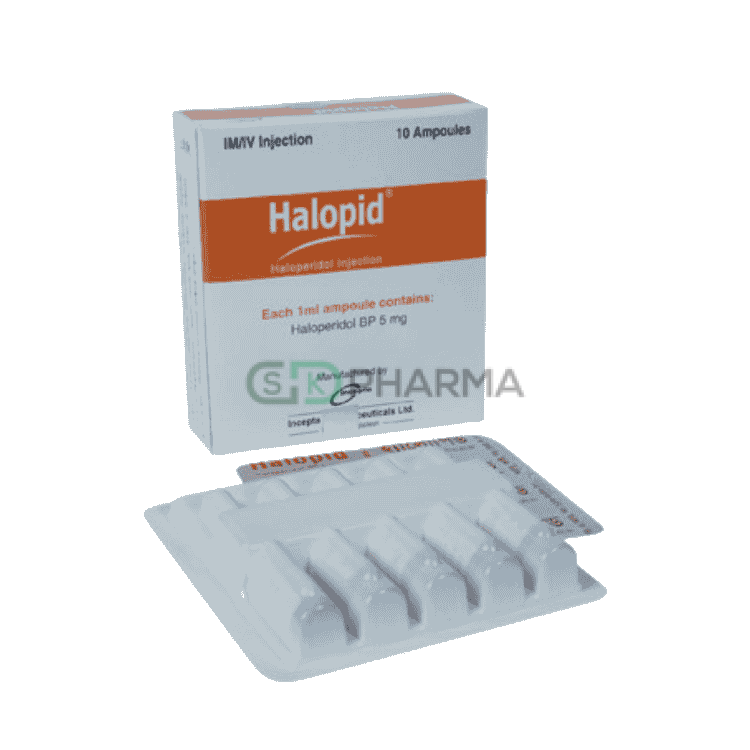
Halopid Injection 5 mg/ml (Haloperidol)
-
 ৳5.64
৳5.64৳6.00 -
৳8.46
৳9.00 -
৳32.90
৳35.00 -
৳9.26
৳10.07



Reviews & Ratings
Halopid Injection 5 mg/ml is an antipsychotic medication containing Haloperidol, a potent butyrophenone derivative used for the management of a wide range of psychiatric and neurological disorders. Haloperidol works by modulating dopamine activity in the central nervous system, helping to restore chemical balance in the brain and alleviate symptoms such as hallucinations, agitation, and disorganized thinking. Halopid Injection provides a rapid onset of action, making it particularly useful in acute situations where oral administration is not feasible.
রেজিস্টার্ড চিকিৎসকের পরামর্শ অনুযায়ী ঔষধ সেবন করুন
Indications
Halopid Injection 5 mg/ml is indicated for:
-
Acute and chronic psychotic disorders, including schizophrenia and schizoaffective disorder
-
Acute agitation or delirium in psychiatric or medical settings
-
Severe behavioral disorders in patients with dementia or other neurological conditions
-
Tourette’s syndrome and other tic disorders
-
Management of hyperactive delirium and severe aggression when rapid tranquilization is required
Its injectable form allows for precise dosing and rapid therapeutic effect, particularly in patients unable to take oral medications.
Therapeutic Class
-
Typical Antipsychotic (First-Generation)
-
Butyrophenone Class
Pharmacology
Haloperidol primarily acts as a dopamine D2 receptor antagonist, reducing dopamine neurotransmission in key areas of the brain such as the mesolimbic and mesocortical pathways. This helps alleviate positive psychotic symptoms like hallucinations and delusions.
Additionally, Haloperidol has some activity at alpha-adrenergic, serotonin (5-HT2), and histamine receptors, which may contribute to its sedative and antiemetic effects. Its pharmacological action is dose-dependent, with higher doses often required for acute agitation.
Haloperidol is metabolized in the liver by CYP3A4 and CYP2D6 enzymes and is excreted primarily via urine and feces. Its onset of action is rapid when administered intramuscularly, making it suitable for urgent psychiatric intervention.
Dosage and Administration
-
Recommended dose: Individualized based on patient age, condition, and severity of symptoms
-
Acute agitation in adults: 2–5 mg intramuscularly, repeated every 4–8 hours as needed; total daily dose should be carefully monitored
-
Chronic psychosis: Initial intramuscular dosing may be followed by oral therapy once stabilized
-
Administer via intramuscular or slow intravenous injection under close medical supervision
Important administration notes:
-
Intravenous administration should be done slowly to avoid cardiovascular adverse effects
-
Monitor for excessive sedation, hypotension, and extrapyramidal symptoms
Drug Interactions
-
Additive sedative effects with benzodiazepines, alcohol, or other CNS depressants
-
Increased risk of extrapyramidal symptoms with other antipsychotics or dopamine antagonists
-
Metabolism may be affected by CYP3A4 or CYP2D6 inhibitors or inducers
-
Caution when used with antihypertensives or QT-prolonging agents
Contraindications
-
Hypersensitivity to Haloperidol or other butyrophenones
-
Severe central nervous system depression
-
Parkinson’s disease or comatose states
-
Patients with significant QT prolongation or cardiac arrhythmias
Side Effects
Common adverse effects include:
-
Extrapyramidal symptoms: tremors, rigidity, dystonia, akathisia
-
Sedation, drowsiness, or fatigue
-
Hypotension or orthostatic dizziness
-
Dry mouth, constipation, blurred vision
-
Neuroleptic malignant syndrome (rare but serious)
-
Prolonged QT interval and arrhythmias in susceptible patients
Pregnancy and Lactation
-
Use during pregnancy only if clearly needed; potential risks to the fetus exist
-
Haloperidol may be excreted in breast milk; consult a healthcare professional before use during lactation
Precautions and Warnings
-
Monitor for extrapyramidal symptoms and tardive dyskinesia
-
Regular cardiovascular monitoring is advised for patients with risk factors for arrhythmias
-
Caution in elderly patients due to increased sensitivity to sedative and hypotensive effects
-
Adjust dose in hepatic impairment
Storage Conditions
-
Store at 20–25°C in a cool, dry place
-
Protect from light
-
Keep out of reach of children.
Related Products

Barif Tablet 40 mg (Febuxostat)
Alfasin XR Tablet 10 mg (Alfuzosin Hydrochloride)


Cefexta Suspension 125 mg/5 ml (Cefdinir)


Warin Tablet 2 mg (Warfarin Sodium)

Nebifast Tablet 2.5 mg (Nebivolol Hydrochloride)
![Adovas Syrup (Herbal cough syrup [Vasakarista])](https://www.skpharma.com.bd/public/uploads/all/iLlgv0MYsoQ6P3JY5InxbYWw6CgWa4sENid0t21K.png)
Adovas Syrup (Herbal cough syrup [Vasakarista])
Belsar Tablet 20 mg (Olmesartan Medoxomil)
Product Queries (0)
Login Or Registerto submit your questions to seller
Other Questions
No none asked to seller yet
-
৳5.64
৳6.00 -
৳8.46
৳9.00 -
৳32.90
৳35.00 -
৳9.26
৳10.07


